

Yokogawa Integrates ANYmal Inspection Robots into OpreX Automation Ecosystem
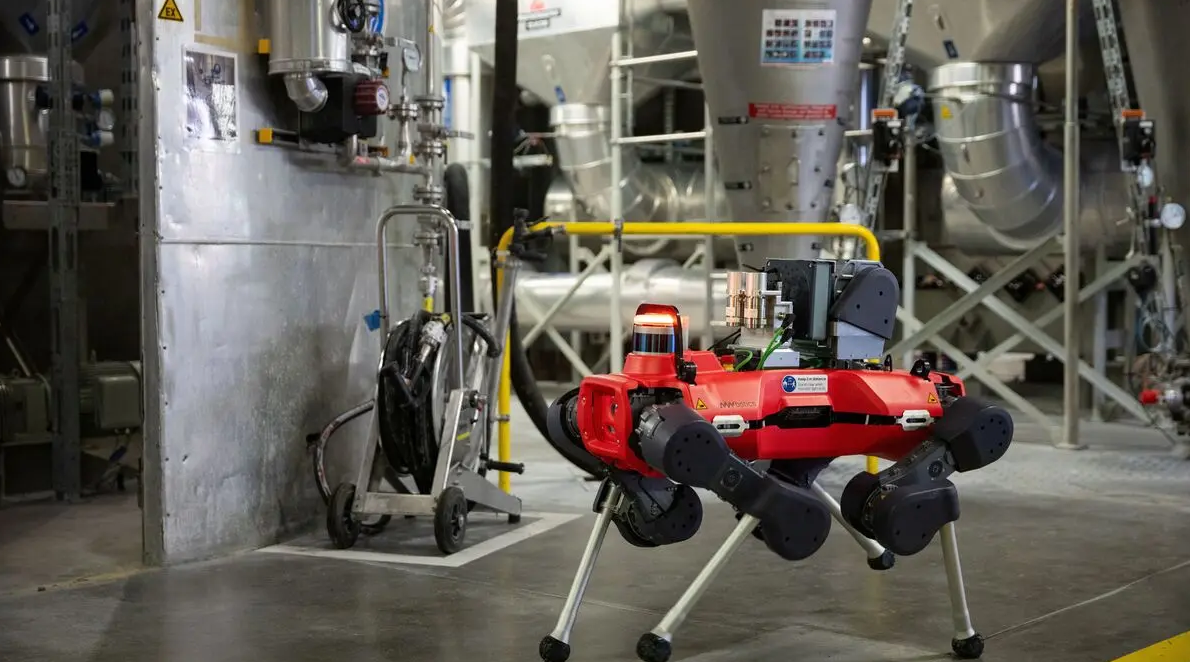
Yokogawa Electric Corporation recently finalized a strategic partnership with Swiss robotics pioneer ANYbotics. This collaboration links Yokogawa’s OpreX Robot Management Core with the ANYmal quadruped robotic platform. By combining specialized robotics with established industrial automation software, the duo aims to redefine safety in high-risk environments. This integration allows plant operators to manage autonomous inspection fleets within a single, unified digital layer.
Bridging Autonomous Robotics and Plant Control Systems
The OpreX Robot Management Core serves as a central nervous system for diverse robotic assets. It connects directly to existing DCS and PLC architectures to synchronize data flow. Consequently, robots no longer operate as isolated gadgets. Instead, they function as mobile sensors that feed real-time diagnostic data back to the main control systems. This connectivity allows the software to trigger robot missions based on specific plant conditions or scheduled maintenance rounds.
Specialized Robotics for Hazardous Industrial Zones
A primary highlight of this partnership is the support for the ANYmal X, an explosion-proof robot. This machine carries ATEX and IECEx Zone 1 certifications, making it suitable for volatile oil and gas facilities. In addition, the standard ANYmal D model handles routine indoor and outdoor tasks with IP67-rated durability. Therefore, operators can deploy these "mechanical dogs" into areas too dangerous or cramped for human technicians to inspect safely.
Synergizing AI Analysis with Mobile Data Collection
Yokogawa plans to pair robotic mobility with its OpreX Plant Image Analyzer. This AI-driven tool interprets visual data captured by the robots to detect leaks or gauge anomalies. Furthermore, the system uses machine learning to identify patterns that human inspectors might overlook during manual rounds. As a result, the combination of legged locomotion and AI vision creates a powerful tool for modern factory automation and asset integrity.
Author Insight: The Rise of "Robotics-as-a-Sensor"
In my view, this partnership signals a shift where robots are treated as mobile extensions of the DCS. Traditionally, fixed instrumentation monitored plant health, but "blind spots" always existed. By integrating ANYmal, Yokogawa effectively gives its automation platform "legs" and "eyes." This movement addresses the critical labor shortage in the energy sector. Moreover, it moves the industry closer to the ultimate goal of the "unmanned" or autonomous facility.
Strengthening Safety and Operational Excellence Globally
The collaboration focuses heavily on energy markets across Asia and the Middle East. These regions host massive upstream and downstream facilities with stringent safety requirements. By automating routine inspections, companies can reduce human exposure to hazardous substances. In addition, better data collection leads to improved uptime and reduced maintenance costs. This partnership leverages Yokogawa’s global support network to ensure smooth implementation from planning to long-term operation.


