

The Future of Smart Manufacturing: Embracing Universal Automation and Open Standards
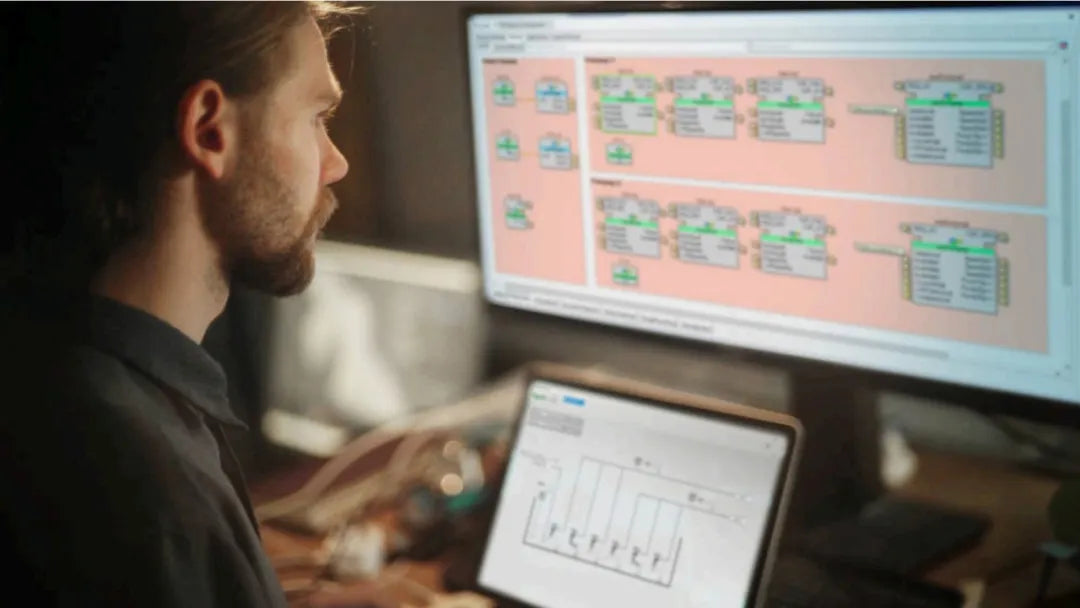
Embracing Universal Automation: A New Era for Smart Factories
Introduction to Open Automation
Open automation represents a transformative leap for smart factories, blending flexibility and interoperability. This approach addresses the limitations of proprietary systems, fostering a more adaptable and efficient manufacturing environment. By leveraging the IEC 61499 standard, open automation decouples hardware from software, enhancing the potential for innovation and reducing vendor lock-in.
The Need for Standardization
Manufacturers and engineers may not fully grasp the impending shifts in factory operations. The call for automation standards, particularly in the Distributed Control Systems (DCS) sector, underscores a broader demand for modularity and flexibility. Standardizing automation processes can eliminate the proprietary constraints that stifle innovation and slow technological advancement.
The Promise of IEC 61499
IEC 61499, an evolution of the IEC 61131 standard, offers a more modular and reusable approach to control system design. It simplifies software component packaging and supports dynamic reconfiguration, providing a foundation for Industry 4.0 and Industrial Internet of Things (IIoT) applications. This standard promises to break down barriers, enabling diverse control software to operate across various hardware platforms.
Universal Automation Takes Shape
The emergence of Universal Automation and organizations like UniversalAutomation.org highlight a significant shift in industry practices. This non-profit association promotes the adoption of IEC 61499-based solutions, aiming to create a plug-and-play ecosystem. Such advancements are crucial for enabling end-users to select the best-fit products for their specific applications, without being restricted to a single vendor.
Ethernet-APL Enhances Field Communication
Ethernet-APL (Advanced Physical Layer) represents a crucial advancement in field communication technology. By supporting longer cable runs, intrinsic safety, and Ethernet-powered devices, Ethernet-APL enhances connectivity and stability in process automation. This standard is set to streamline the expansion of Ethernet communication to field instruments, offering a more reliable and scalable solution.
Smart Devices and Data Flow
The integration of intelligent devices extends the data flow within industrial environments. From smart load management devices to advanced sensors, the ability to collect and analyze data without traditional control wiring enhances predictive maintenance and process optimization. The proliferation of smart devices across various instruments signifies a shift toward more intelligent and responsive manufacturing systems.
The Role of Edge Control
Edge control is becoming a cornerstone of future factory operations. By combining software and hardware in a non-proprietary environment, edge control allows for programmable and portable control algorithms. As all devices become interconnected via Ethernet, the ability to deploy and manage control software across different hardware platforms becomes feasible, thanks to open automation standards.
Looking Forward
The next generation of automation platforms builds on the principles of open automation and IEC 61499. These platforms promise distributed architecture, enabling control algorithms to be deployed across various controllers and I/O devices. This shift from hardware-centric to software-centric systems highlights the need for innovative development tools to meet evolving demands.
For a wide range of automation products and solutions that align with these advancements, visit PLC DCS Pro. Our platform offers cutting-edge products to help you stay ahead in the evolving landscape of industrial automation.
Conclusion
Open automation represents a significant step toward more flexible and interoperable factory systems. As the industry transitions to software-based solutions and embraces new standards like IEC 61499, the potential for innovation and efficiency increases. Embracing these changes will position manufacturers to better meet the demands of modern automation, leading to more agile and responsive production environments.


