

The Essential Role of Industrial Controllers in Automation
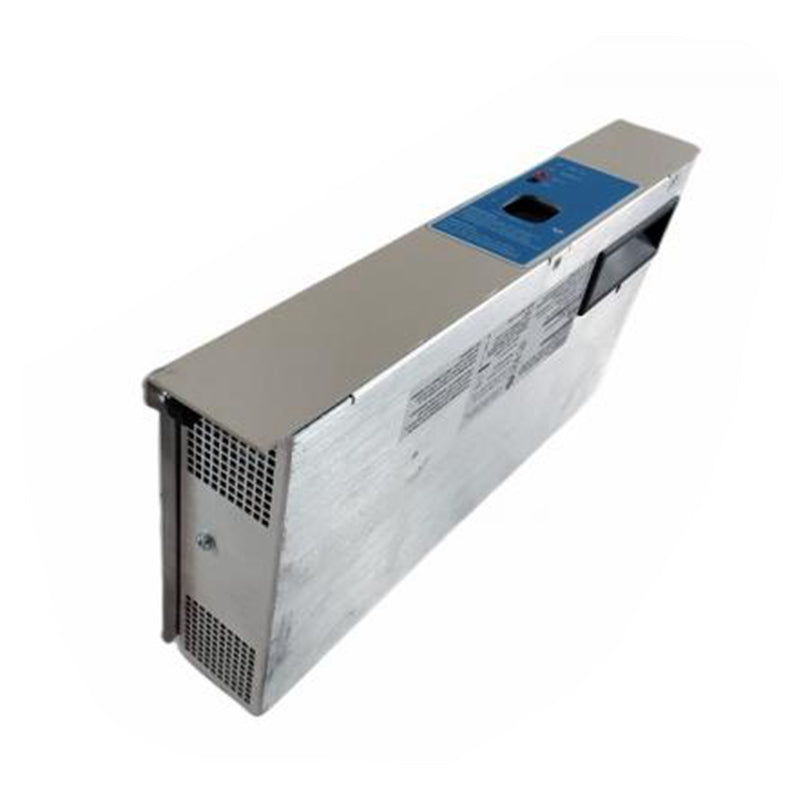
Introduction to Industrial Controllers
Industrial controllers play a crucial role in smart production management. These devices help companies achieve automation by controlling, monitoring, and recording various industrial processes. By utilizing programmable logic controllers (PLCs) as core components, businesses can efficiently manage equipment control and data collection.
Enhancing Production Efficiency
Industrial controllers enhance production efficiency through automated data collection and analysis. They connect different stages of the production process, ensuring seamless information sharing and real-time transmission. This capability not only improves oversight but also bolsters decision-making abilities within the organization.
Optimizing Processes with Precision
Moreover, industrial controllers can optimize workflow design. By eliminating unnecessary steps, they streamline operations and boost productivity. Algorithms like PID controllers allow for precise control of various parameters, which enhances process stability and reliability. As a result, organizations can produce goods more efficiently and with greater consistency.
Integrating Management Systems
The integration of smart production management systems such as MES, ERP, WMS, and QMS creates a comprehensive operational framework. This integrated management not only improves order fulfillment capabilities but also enhances quality management. By reducing labor costs and minimizing human errors, these systems foster a more efficient and reliable production environment.
Leveraging Advanced Data Analysis
Furthermore, smart manufacturing systems utilize powerful data analysis and predictive capabilities. This advanced analytics allows organizations to make informed decisions based on real-time data. By decreasing the need for manual intervention, businesses can increase their operational efficiency and focus on higher-level tasks.
Transforming into Smart Factories
The transformation into smart factories relies heavily on digital technologies and artificial intelligence. These technologies enable intelligent management of production processes, which significantly enhances productivity. This shift not only breaks the limitations of traditional IT services but also drives the smart evolution of manufacturing.
Conclusion
In conclusion, industrial controllers contribute significantly to the automation of production processes. Through their various applications—equipment control, data analysis, workflow optimization, integrated management, and digital transformation—they empower organizations to enhance production efficiency and quality management. As industries continue to embrace automation, the role of these controllers will only grow more vital, positioning them as essential tools in the quest for operational excellence.


