

Codelco and Schneider Electric Forge Strategic Alliance for Digital Mining and Energy Efficiency
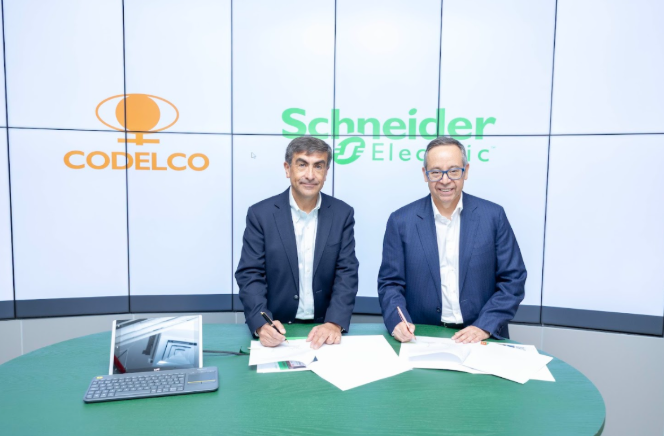
The global mining industry faces a pivotal moment where operational demands intersect with urgent sustainability goals. Recently, Codelco, the world’s largest copper producer, and Schneider Electric, a global leader in energy management, signed a Memorandum of Understanding (MoU). This partnership aims to revolutionize mining through industrial automation and digital transformation. By combining Codelco’s mineral expertise with Schneider’s technological prowess, the duo intends to set a new benchmark for the sector.
Accelerating Digital Transformation via Industrial Automation
At the heart of this collaboration lies the integration of advanced control systems to streamline complex mining workflows. The agreement focuses on modernizing factory automation techniques within the mining environment to enhance reliability. Consequently, both parties will explore the implementation of high-performance PLC (Programmable Logic Controller) and DCS (Distributed Control System) architectures. These systems will facilitate real-time data acquisition and smarter decision-making across the entire asset lifecycle.
Optimizing Energy Management and Predictive Monitoring
Efficiency is no longer optional; it is a core requirement for modern mining profitability and environmental compliance. Therefore, the alliance prioritizes energy management solutions that monitor consumption patterns in real-time. By utilizing advanced analytics and digital twins, the partners can simulate operational scenarios to identify energy bottlenecks. Furthermore, the partnership introduces predictive emissions monitoring to ensure that Chilean mining operations meet rigorous international environmental standards.
Fostering Innovation through Collaborative Research
A standout feature of this MoU is the establishment of a specialized Innovation Hub in Santiago, Chile. This facility will serve as a testing ground for pilot projects and emerging technologies before full-scale deployment. Moreover, the initiative bridges the gap between industry and academia by promoting STEM talent development. This focus on human capital ensures that the next generation of engineers is proficient in industrial automation and sustainable practices.
Expert Insight: A Shift Toward Interconnected Ecosystems
From an industry perspective, this partnership signals a move away from isolated hardware solutions toward integrated software-defined mining. In the past, mining companies often struggled with fragmented data silos. However, by adopting Schneider Electric’s holistic digital framework, Codelco can achieve a "single version of the truth" across its operations. This synergy is essential for scaling AI-driven optimization and remote operation centers, which are the future of high-altitude and deep-pit mining.


