

Yokogawa Bolsters Hokkaido’s Grid Stability with Advanced Wind Power Control and Storage
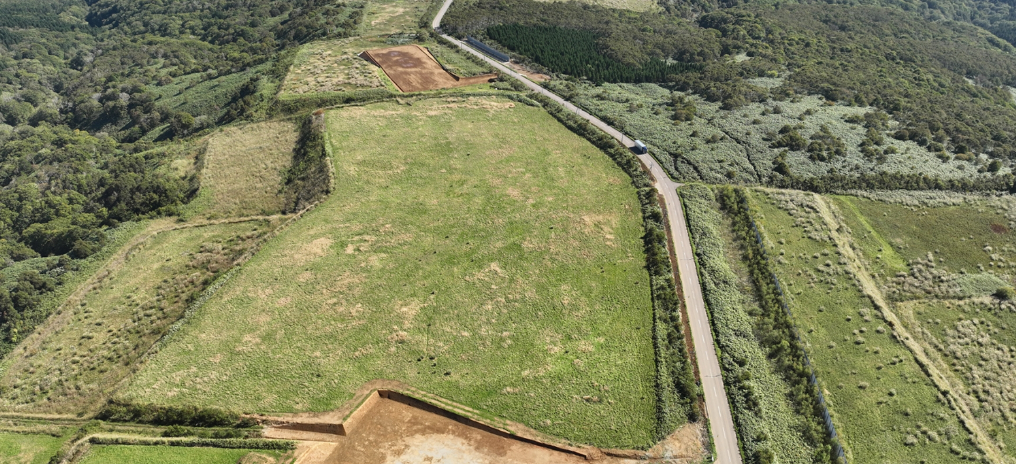
Yokogawa Electric Corporation recently reached a significant milestone in the Japanese renewable energy sector. Its subsidiary, Yokogawa Solution Service, secured a contract to equip Cosmo Eco Power’s Shimamaki–Kuromatsunai Wind Farm with a sophisticated integrated solution. This project highlights the growing necessity of blending industrial automation with large-scale energy storage to meet stringent modern grid requirements.
Addressing Grid Frequency Challenges in Northern Japan
Hokkaido serves as a primary hub for Japan’s wind energy expansion. However, the rapid influx of intermittent renewables creates substantial pressure on the local power grid. Fluctuations in wind speed can cause frequency instability, which threatens the reliability of the entire electrical infrastructure. Consequently, Japanese regulators have implemented some of the world’s most demanding grid connection standards. To comply, developers must integrate advanced control systems and battery storage to buffer output variability.
Integrating BaxEnergy Controllers and Tesla Megapack Technology
For the 94.6MW Shimamaki–Kuromatsunai facility, Yokogawa will deploy a Power Plant Controller (PPC) developed by BaxEnergy. This marks the first entry of BaxEnergy’s software into the Japanese market since its acquisition by Yokogawa. Furthermore, the company selected the Tesla Megapack as the dedicated Energy Storage System (ESS). This combination creates a seamless interface between the physical wind turbines and the digital control layer, ensuring the plant operates within precise utility parameters when it goes online in 2029.
The Strategic Value of Unified Industrial Automation
From an industry perspective, this project demonstrates the evolution of the Distributed Control System (DCS) philosophy into the renewable realm. By acting as a Lead System Integrator (LSI), Yokogawa reduces the complexity of managing multiple vendors. This "single pane of glass" approach allows operators to monitor both the power generation and the battery state-of-charge simultaneously. Such integration is vital for maximizing the operational lifespan of expensive battery assets while maintaining peak efficiency.
Expert Commentary: The Shift Toward Hybrid Energy Plants
The Shimamaki–Kuromatsunai project signals a broader trend in industrial automation: the rise of the "Hybrid Power Plant." We are moving away from simple generation toward intelligent, responsive energy nodes. Yokogawa’s decision to utilize BaxEnergy’s specialized PPC suggests that traditional PLC-based logic is no longer sufficient for complex grid-balancing tasks. As more regions adopt strict "zero-carbon" mandates, the ability to synchronize high-speed data acquisition with massive energy reserves will become a standard requirement for all global energy providers.
Practical Application: Smoothing Output in Volatile Climates
In a typical application scenario, the BaxEnergy PPC monitors real-time wind forecasts and current turbine output. If a sudden gust threatens to surge power beyond the grid's capacity, the controller instantly diverts the excess energy into the Tesla Megapack. Conversely, during a wind lull, the system discharges the batteries to maintain a steady flow of electricity. This automated balancing act prevents grid tripping and ensures that the wind farm remains a reliable contributor to the regional energy mix.


