

Weight Sensors: The Pillar of Precision in Industrial Automation and Commercial Trade
What is a Weight Sensor?
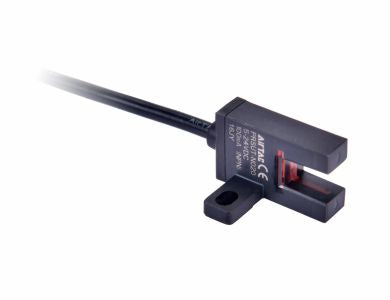
A weight sensor is a sophisticated device that converts the weight of an object into an electrical signal. When an item is placed on a scale, the sensitive elements inside the sensor undergo tiny deformations. These deformations generate electrical signals proportional to the weight of the object, which are then processed and displayed as a numerical value on the screen. This process is at the heart of many automated systems, ensuring the accuracy and reliability of measurements.
Industrial Applications: From Manufacturing to Quality Control
Weight sensors are indispensable in modern manufacturing and quality control processes. They are used across various industries such as food processing, chemicals, and construction materials. On production lines, weight sensors enable automatic ingredient measurement, portioning, and verification of product weights. This ensures that every package is consistent in weight, which is crucial for product uniformity and cost management. Moreover, in industries where product quality is vital, these sensors help avoid errors that could lead to wastage or customer dissatisfaction.
For instance, in the food industry, precise measurement of ingredients is critical not only for recipe consistency but also for adhering to nutritional standards and regulatory requirements. Weight sensors contribute to maintaining these standards by offering real-time feedback and error-free production.
Commercial and Logistics: Enhancing Trade Efficiency
In the commercial sector, weight sensors are integral to maintaining fairness and accuracy in transactions. From the digital scales at your local grocery store to heavy-duty weighbridges in warehouses, these sensors are essential for accurate weight measurement. This precision ensures that customers are charged fairly, and logistics companies can process packages efficiently.
The role of weight sensors extends beyond retail, directly influencing how goods are transported and priced. In logistics, sensors are used in automated sorting systems that ensure parcels are weighed and categorized without human intervention. This enhances efficiency in the supply chain and improves delivery times, crucial for today’s fast-paced market demands.
Precision in Healthcare and Research: High-Accuracy Monitoring
In high-end medical applications and scientific research, weight sensors provide critical data for monitoring and analysis. For example, hospital bed weighing systems monitor small fluctuations in a patient's body weight, which can be vital for detecting health issues. Weight sensors are also used in pharmaceutical production, where precise measurements of ingredients are required for formulating medications. In laboratories, high-precision balances depend on these sensors to ensure the accuracy of scientific experiments.
By providing precise data, weight sensors help researchers and medical professionals make well-informed decisions that could directly impact patient care or experimental results.
Smart Living: Innovation in Everyday Applications
In the realm of smart living, weight sensors have found their place in everyday technology. From home scales that track body weight and fat composition to vehicle overload warning systems, these sensors are becoming ubiquitous in products designed to enhance convenience and safety. Additionally, large structural health monitoring systems, such as those used in bridges, rely on weight sensors to detect potential overloads, preventing accidents and ensuring long-term safety.
The integration of weight sensors into the Internet of Things (IoT) is transforming how devices interact with users and monitor conditions in real time. For example, a smart scale not only measures weight but can also analyze trends and offer health insights, revolutionizing personal wellness.
The Future of Weight Sensors in Industrial Automation
As industrial automation and smart manufacturing evolve, weight sensors are taking on more advanced roles. With the rise of the Internet of Things (IoT) and smart factories, weight sensors are no longer just tools for measurement but are integral components in process control systems. These sensors now collect real-time data that can be used not only for weighing but also for tracking materials and ensuring that operations are running efficiently.
In industries where downtime or errors can be costly, these sensors provide operators with immediate, actionable insights. This allows for predictive maintenance, reducing the likelihood of equipment failure and ensuring continuous, smooth operations.
As the use of programmable logic controllers (PLCs), distributed control systems (DCS), and other industrial automation systems becomes more widespread, the role of weight sensors will continue to evolve. They will act as critical data sources that inform not only individual processes but also broader operational strategies in automated environments.
Conclusion: The Silent Force Behind Modern Industry
Weight sensors are far more than just tools for measuring weight; they are the backbone of modern automation and commercial trade. Whether in production lines, retail transactions, healthcare, or smart devices, they provide the accuracy and data needed for efficient operations. As industries continue to embrace automation and IoT, weight sensors will remain an essential component in ensuring precision and improving overall system performance.


