

Understanding the Real Power of RAID in Industrial Systems
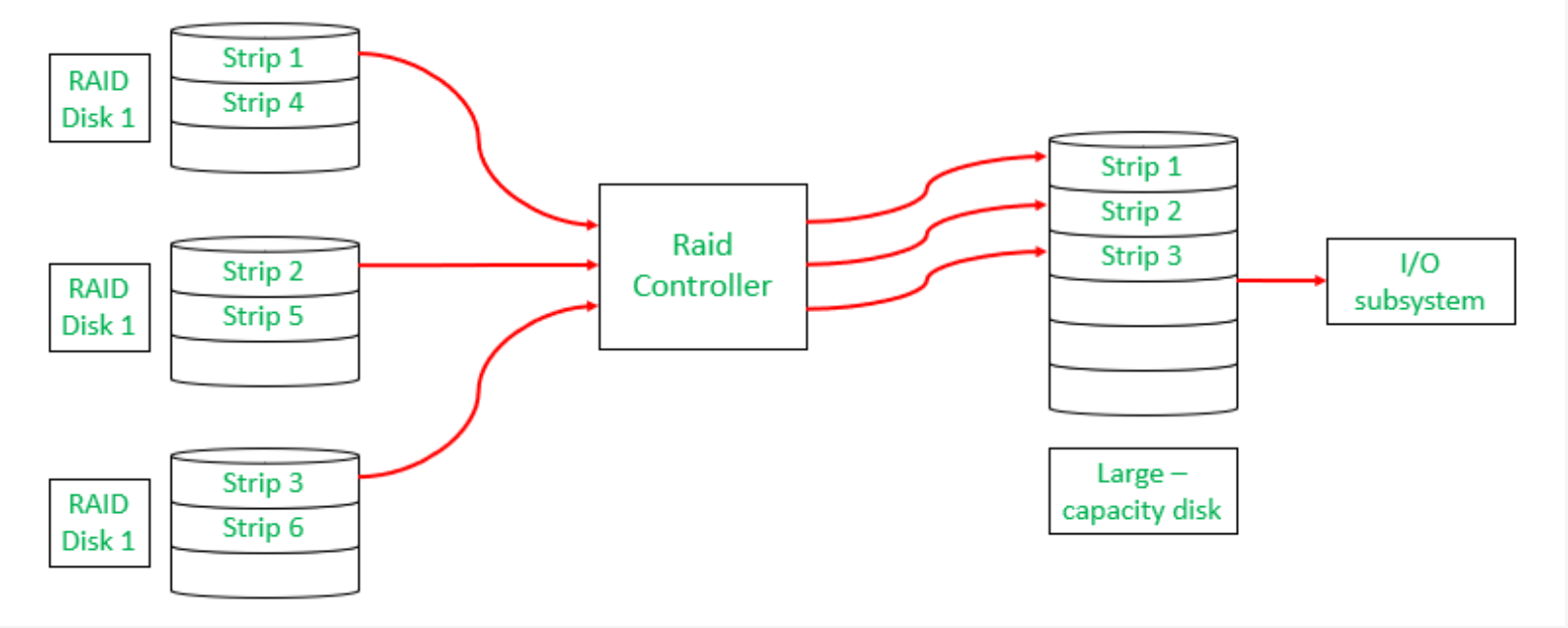
Every time I configure a new control system or industrial server, I realize how crucial RAID truly is. RAID, or Redundant Array of Independent Disks, transforms ordinary storage drives into a powerful data engine. It doesn’t just combine disks; it builds resilience, speed, and intelligence right into the heart of the operating system. Engineers like me rely on it daily, yet many people don’t notice its invisible work behind every stable system.
How Virtualization Shapes Disk Management
RAID software takes several physical disks and turns them into virtual volumes that the operating system easily manages. When installed on a Windows-based server, multiple drives merge into one logical unit. The OS only sees a single disk, but underneath, RAID distributes data efficiently across many drives, simplifying administration and maintaining high performance and redundancy.
Real-World Example from My Workshop
Recently, I configured a system using both IDE and SCSI drives. Without RAID, six drives appeared separately. After enabling RAID 0 on the IDE drives, they formed a 160GB high-speed virtual disk. Then, a RAID 5 array on four SCSI drives delivered a 219GB protected volume. Data throughput doubled while redundancy increased—two logical drives recognized by the OS, yet far more advanced underneath.
Why RAID Transforms System Performance
RAID manages I/O operations intelligently. It intercepts data writes, calculates block placement, and directs segments to appropriate disks in real time. With modern CPUs processing thousands of operations faster than disk speeds, RAID minimizes latency and maximizes throughput—critical in automation systems where milliseconds matter.
Striking a Balance Between Speed and Safety
Each RAID level brings a trade-off. RAID 0 delivers speed without protection, while RAID 5 offers both with reduced capacity. Engineers can mix RAID levels across controller cards like 9560-8I or 9670W-16I to balance performance and redundancy. These controllers support SATA, SAS, and NVMe, creating hybrid storage environments ideal for modern plants.
Practical Insights from Industrial Applications
Industrial systems demand reliability. RAID protects against disk failure and enables automatic rebuilds while keeping data accessible—ensuring 24/7 uptime for process control and historian databases. In manufacturing or turbine monitoring, this resilience prevents costly downtime.
The Human Side of RAID
RAID isn’t just about disks—it reflects teamwork. Multiple drives cooperate toward one purpose: balance between speed, protection, and simplicity. This principle embodies the heart of good engineering practice.
Looking Forward
As technology evolves toward NVMe and PCIe, RAID remains vital. The next generation of hybrid or hardware-assisted RAID integrates deeper into operating systems. In automation, where data integrity drives safety and efficiency, RAID continues to be the silent guardian of operations.
Final Thought
RAID isn’t just a technical concept — it’s a living system principle. It unites individual drives into a resilient, intelligent structure. Understanding RAID means safeguarding the foundation of every modern industrial system.
Looking for industrial-grade servers, controllers, or storage components?
Visit PLCDCSPRO.com for reliable automation parts and expert support.


