

Understanding Electrical Panel Door Earth Bonding for Safety
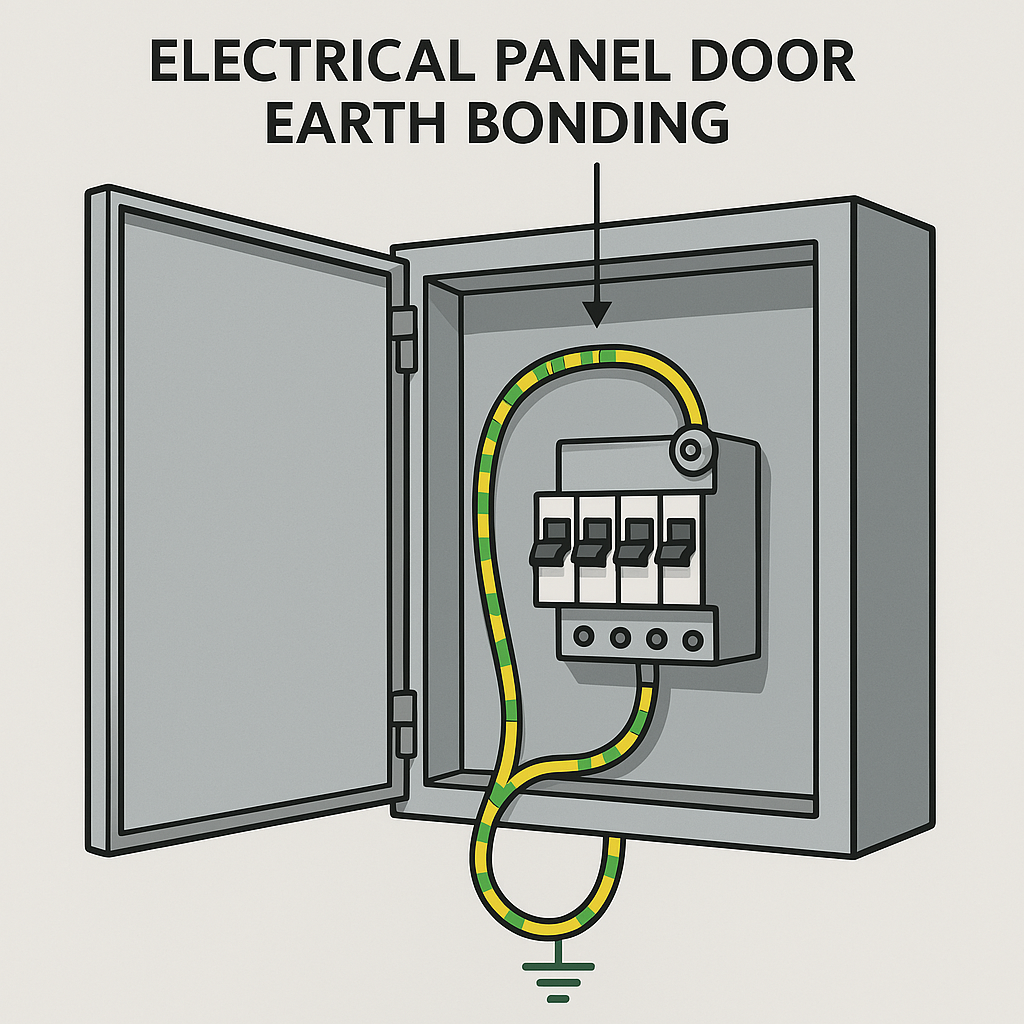
What is Electrical Panel Door Earth Bonding?
Electrical panel door earth bonding means securely connecting the metal door of an electrical panel to the earth. This connection prevents dangerous leakage currents from building up on the door. Without bonding, touching the metal door can cause electrical shocks. Earth bonding keeps people safe and protects the electrical system.
Why Is Earth Bonding So Important?
Every electrical panel may have leakage current due to wiring faults or damaged components. This current can flow through metal parts like the panel body or door. If these parts are not properly earthed, they can carry voltage that causes electric shock. Earth bonding provides a low-resistance path to the ground, safely discharging leakage current. This protects anyone who touches the panel door.
Understanding Earthing, Grounding, and Bonding
People often confuse these terms:
- Earthing connects non-current-carrying metal parts like panel bodies to earth.
- Grounding connects live current-carrying parts such as circuit breakers to earth.
- Bonding connects two conductive parts together to keep the same electrical potential.
Bonding the panel door to the panel body ensures both share the same earth potential, preventing dangerous voltage differences.
How to Perform Panel Door Earth Bonding?
Start by turning off power to the panel. Verify that the panel body is properly earthed via its terminal or earth bar. Then connect the panel door to the panel body earth point using a yellow-green striped copper wire. Make sure the wire allows the door to move freely—avoid tight or loose connections. After wiring, measure resistance between the door and panel body. It should be very low (usually under 1 ohm), confirming a solid earth bond.
Benefits of Proper Earth Bonding
Earth bonding prevents electric shock hazards from leakage currents on panel doors. It also reduces electromagnetic interference and protects sensitive equipment. Importantly, it ensures compliance with electrical safety standards, minimizing risks and liability.
Conclusion
Earth bonding is a critical safety step in electrical panel installations. By connecting the panel door to earth, you protect both people and equipment. If you need reliable electrical automation spare parts for your projects, visit plcdcspro.com. We offer a wide selection of high-quality components to help you build safe and efficient systems.


