

The New Industrial Paradigm: Convergence of Power and Intelligence
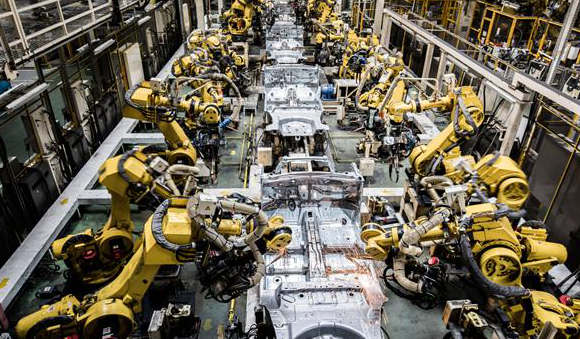
The industrial landscape is currently navigating a transformational shift that rivals the first wave of electrification a century ago. As an engineer, I see this not just as a change in power sources, but as a profound convergence of electrification, high-scale automation, and Artificial Intelligence. For modern enterprises, the goal is no longer just "output"; it is about building agile manufacturing systems that remain resilient against volatile energy markets and shifting global supply chains. By integrating low-carbon energy with digital control, we are setting the foundation for a more productive and autonomous industrial future.
Driving Efficiency: The Untapped Potential of Motor Control
In the industrial sector, the cleanest kilowatt-hour is the one we never use. Electric motors currently consume roughly 45% of the world’s electricity, powering everything from heavy-duty industrial pumps to HVAC systems. However, a significant technical gap remains: less than 25% of these motors utilize Variable Speed Drives (VSDs). By implementing drives to control motor speed based on real-time demand, we can slash power consumption by up to 25%. On a global scale, upgrading this infrastructure could reduce total energy consumption by approximately 10%, offering a massive return on investment (ROI) through reduced lifetime operational costs.
Predictive Automation: Beyond Simple Process Control
Modern automation has evolved far beyond basic logic controllers. Today, digitalization and Machine Learning (ML) allow us to manage entire processing plants with unprecedented precision. These AI-enabled systems don't just minimize waste; they provide predictive maintenance capabilities. By analyzing telemetry data to identify vulnerabilities before a failure occurs, we eliminate the catastrophic costs of unplanned downtime. Whether in cement, steel, or food and beverage, automated control systems optimize production cycles, ensuring consistent quality while significantly lowering the carbon footprint per unit produced.
Energy Independence as a Strategic Asset
With 83% of business leaders concerned about energy security, "energy independence" has shifted from a sustainability goal to a strategic necessity. The volatility of global fuel prices and the threat of rationing make a strong case for shifting to locally generated, renewable electricity. This is particularly critical as AI and Data Centers are projected to double their share of global electricity consumption by 2030. To mitigate the intermittency of wind and solar, we are deploying advanced energy storage and stabilizing technologies that allow for a steady, reliable power supply regardless of environmental conditions.
Agile Infrastructure: The Role of Modular Substations
One of the most practical solutions for rapid electrification is the "eHouse"—a prefabricated, portable substation. These units serve as a cost-effective, flexible alternative to traditional brick-and-mortar infrastructure. For projects in remote mining sites, offshore platforms, or rapidly expanding data centers, eHouses allow for quick deployment even in the absence of specialized on-site labor. This modular approach to electrical distribution ensures that companies can scale their operations quickly while maintaining a robust and sustainable connection to the grid.


