

Industrial Automation Trends: How ABB is Scaling the All-Electric Mine
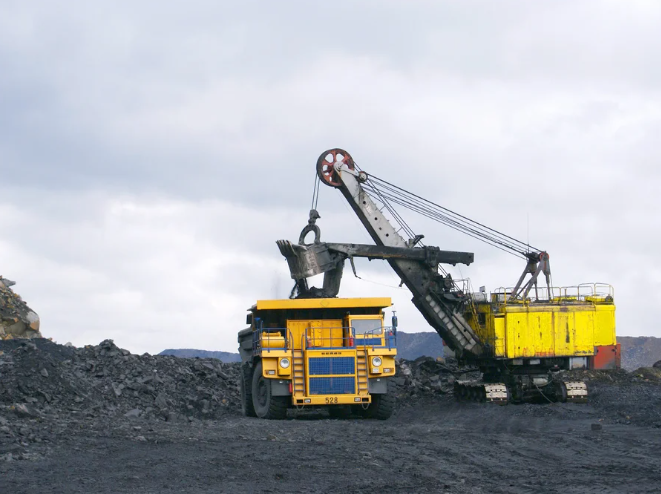
The global mining sector is undergoing a profound transformation. Traditionally known for heavy carbon footprints and mechanical grit, the industry is now a primary blueprint for large-scale industrial electrification. Automation leader ABB is at the forefront of this shift, positioning its "All-Electric Mine" roadmap as the definitive guide for sustainable, high-output operations.
Accelerating Decarbonization in Mining Operations
The mining industry currently generates nearly 7% of global greenhouse gas emissions. Consequently, operators face immense pressure to adopt more efficient, electric-powered manufacturing processes. ABB’s research indicates that electrification does more than just cut emissions; it fundamentally enhances operational output. By integrating DCS (Distributed Control Systems) and smart power management, mines can synchronize their energy consumption with production needs more effectively than ever before.
Enhancing Reliability with Simplified Electric Machinery
Sustainability is most persuasive when it aligns with profitability and safety. Electric haul trucks offer a clear advantage because they contain fewer moving parts than traditional diesel engines. This mechanical simplicity naturally reduces maintenance requirements and unexpected downtime. Furthermore, electric motors deliver high torque instantly, making these vehicles twice as fast as their diesel counterparts. In the world of factory automation, reliability is the ultimate currency, and electric drivetrains provide it in abundance.
Driving Productivity Through Autonomous Control Systems
Autonomy and electrification are two sides of the same coin. ABB collaborates with OEMs to integrate advanced PLC (Programmable Logic Controllers) and high-power inverters directly into mining fleets. These systems allow trucks to navigate and charge without human intervention. When machines operate autonomously, personnel are removed from high-risk environments. This shift not only protects workers but also ensures continuous, 24/7 productivity without the physiological limitations of a human crew.
Retrofitting Diesel Fleets via Strategic OEM Partnerships
Transitioning to a fully electric site does not always require replacing every existing asset. ABB provides flexible, open-standard solutions that allow teams to retrofit diesel trucks with batteries and electric drivetrains. To support this, mines must implement both stationary and dynamic energy transfer systems. For instance, trolley-assist systems use overhead lines to power trucks on steep inclines. This method significantly reduces battery strain and allows for regenerative braking, which captures energy that would otherwise be lost.
Attracting Gen Z to a Sophisticated Digital Environment
The "old-school" image of mining often deters younger talent. However, the modern mine is becoming a hub for industrial automation and data science. ABB highlights that 68% of industry respondents view technology as the primary driver for workforce diversity. Electric mines offer better air quality, lower noise levels, and reduced vibration. These improvements create a more professional atmosphere that appeals to Gen Z workers, who prioritize environmental values and high-tech workspaces.
Expert Insight: The Integration of Energy and Automation
From an engineering perspective, the success of the all-electric mine depends on the convergence of power and automation. It is no longer enough to simply swap a diesel tank for a battery. True efficiency requires a sophisticated control system that manages the grid, the charging infrastructure, and the mobile assets as a single ecosystem. As we move toward 2030, the companies that master this integration will dominate the low-carbon commodities market.


