

FANUC Secures Spot in Top 100 Global Innovators for 2026
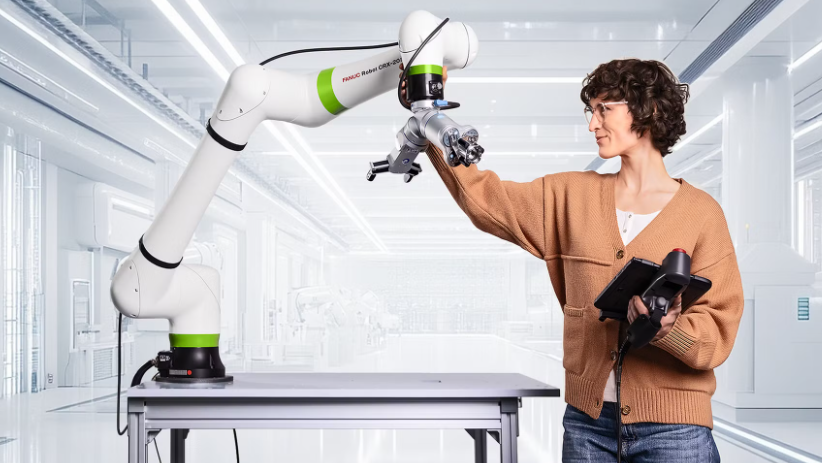
Clarivate Plc has officially named FANUC Corporation as one of the "Top 100 Global Innovators 2026." This prestigious recognition marks the seventh time FANUC has joined this elite group. Notably, the company has maintained its position for five consecutive years. Clarivate uses proprietary patent data to identify organizations at the forefront of the global intellectual property landscape. This achievement reaffirms FANUC's dominance in the industrial automation sector through consistent, high-impact research and development.
AI Integration Driving Next-Generation Factory Automation
Innovation today relies heavily on Artificial Intelligence as a foundational pillar for growth. Clarivate reports that the top 100 companies represent 16% of all high-intensity AI-related inventions globally. FANUC has successfully integrated AI into its core control systems, particularly within numerical control (NC) devices and robotics. These advancements allow machines to self-optimize and predict maintenance needs. Consequently, FANUC ranked 18th in Japan for AI-related patent filings, demonstrating a clear lead in factory automation intelligence.
Strategic Patent Prosecution for Global Competitive Advantage
FANUC focuses its resources exclusively on its area of expertise: industrial automation. By narrowing its business scope, the company maximizes the impact of its R&D investments. Furthermore, FANUC aggressively pursues patent prosecution across international markets to protect its unique hardware and software. This intellectual property strategy ensures that its PLC and robotic technologies remain highly competitive. A robust IP portfolio prevents commoditization and supports the company’s long-term corporate value.
Harmonizing Intellectual Property with Global Sustainability
The company views this award as objective validation of its technological and legal strategies. FANUC intends to align its future IP activities with the shifting global business environment. By protecting and utilizing new inventions, the company aims to solve pressing social and environmental challenges. For instance, more efficient control systems directly reduce the energy consumption of manufacturing plants. Therefore, innovation serves as a primary vehicle for creating a more sustainable industrial society.
Author Commentary: The Shift from Hardware to Intelligence
In my view, FANUC's recurring presence on this list signals a critical industry trend. The battle for leadership in industrial automation has shifted from pure mechanical durability to software-driven intelligence. While FANUC remains famous for its "Yellow Robots," its real strength now lies in the algorithms governing those machines. For B2B buyers, this means that selecting a vendor is no longer just about the hardware specs. It is about the long-term roadmap of AI-driven features and the security of the underlying intellectual property.


