

Do You Know About Chinese Lantern Festival?
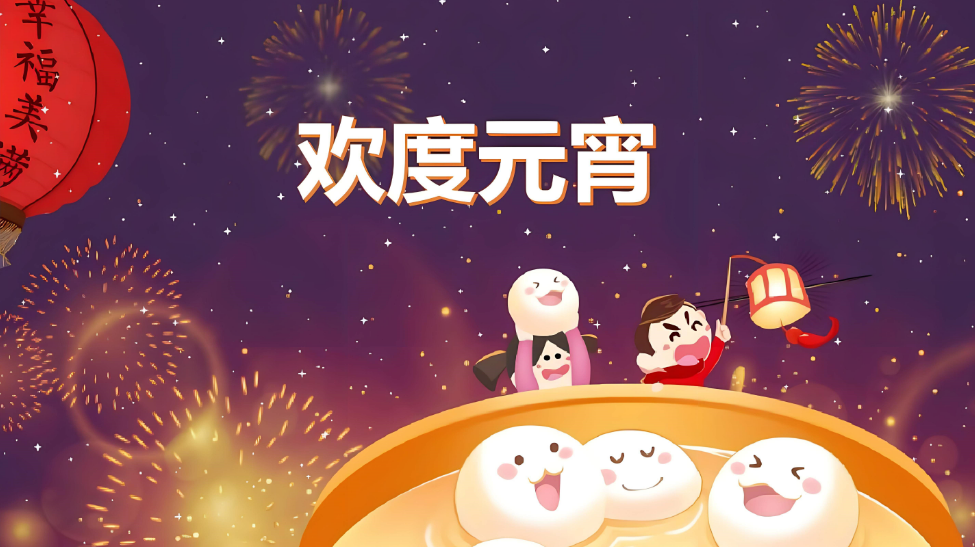
🏮🏮🏮
In the calendar of the ancient Eastern kingdom, there lies a special day following closely after the Spring Festival, akin to the conclusion of the new year yet heralding the dawn of fresh hopes—this is the Chinese Lantern Festival! 🎉 If you're not quite familiar with this festival, allow me to guide you through an exploration of this traditional Chinese festival, imbued with rich cultural heritage and charm.
The Origin and Significance of Lantern Festival 🏮✨
The Lantern Festival, also known as the Shangyuan Festival or the Festival of Lights, boasts a history dating back over 2,000 years to the Han Dynasty. Initially tied to night-time sacrifices to Taiyi (the Supreme Deity), it gradually incorporated Buddhist elements, evolving into a lantern festival celebrated by all. The Lantern Festival is not merely a celebration marking the conclusion of the new year but also a prayer for light, wisdom, and unity. On this day, people engage in activities such as lantern appreciation, eating tangyuan, and dragon and lion dances, expressing their yearning for a happy life and missing their loved ones.
Lantern Appreciation: The Romance in the Glimmer of Lights 🏮🌌
When it comes to the Lantern Festival, the most unforgettable aspect is undoubtedly the lantern appreciation tradition. As night falls, all manner of lanterns adorn the streets and alleys, resembling twinkling stars illuminating the entire night sky. From traditional rabbit lanterns and lotus lanterns to modern, creative LED light exhibitions, each lantern carries the ingenuity and blessings of the craftsman. People stroll in groups, admiring lanterns and solving riddles, reveling in this visual and intellectual feast. In the water towns of the south, there is also the custom of releasing lotus lanterns, symbolizing people's thoughts and blessings for their deceased loved ones.
Eating Tangyuan: The Sweet Taste of Unity 🥟❤️
If lantern appreciation is the visual feast of the Lantern Festival, then eating tangyuan is the sweet ritual for the taste buds. Tangyuan, with their round shape symbolizing family unity and harmonious life, have become an indispensable traditional food for the Lantern Festival. Whether filled with black sesame, red bean, or innovative fruit flavors, each bite is a sweet aspiration for a happy life. Families gather together to share a bowl of steaming tangyuan, the warmth and sweetness of which melts away the chill of winter and warms everyone's heart.
Dragon and Lion Dances: Driving Away Evil and Welcoming Good Fortune 🐉🐲🐉
In the celebratory procession of the Lantern Festival, dragon and lion dances always elicit rounds of applause. The long dragons twist and turn, while the majestic lions leap and dance, not only showcasing the Chinese people's admiration for strength and courage but also symbolizing the drive away of evil and the welcome of good fortune for the new year. Accompanied by the resounding sound of gongs and drums, people believe that such performances can bring a year of good luck and harvest.
Conclusion: Lantern Festival in Tradition and Innovation 🏮🌟
The Lantern Festival is a festival of light, love, and hope. It is not merely a symbol of a traditional festival but also a concentrated expression of the profound cultural heritage and national sentiment of the Chinese nation. On this special day, regardless of where you are, the longing for home and the yearning for a better life can always transcend mountains and rivers, connecting our hearts tightly. As time progresses, the Lantern Festival continues to innovate and evolve, yet its pursuit of unity and happiness remains the same.
🎉🎊 Now, do you have a deeper understanding of the Chinese Lantern Festival? On this night of dazzling lights and warmth, let us jointly pray that every tomorrow will be brighter than today, and that every unity will endure forever. The Lantern Festival is not just a festival but also a sentiment, a tradition, and it tells the story of China and conveys the unique charm of Eastern culture in its unique way. 🏮🎊
Note: Emojis and color formatting (like the use of 🏮 and ❤️) have been added to enhance the overall aesthetics and readability of the article. Due to technical limitations, the actual rendering of these elements may vary depending on the platform or device you are using to view this content.


