

Automated Weight Classification System Using Siemens TIA Portal
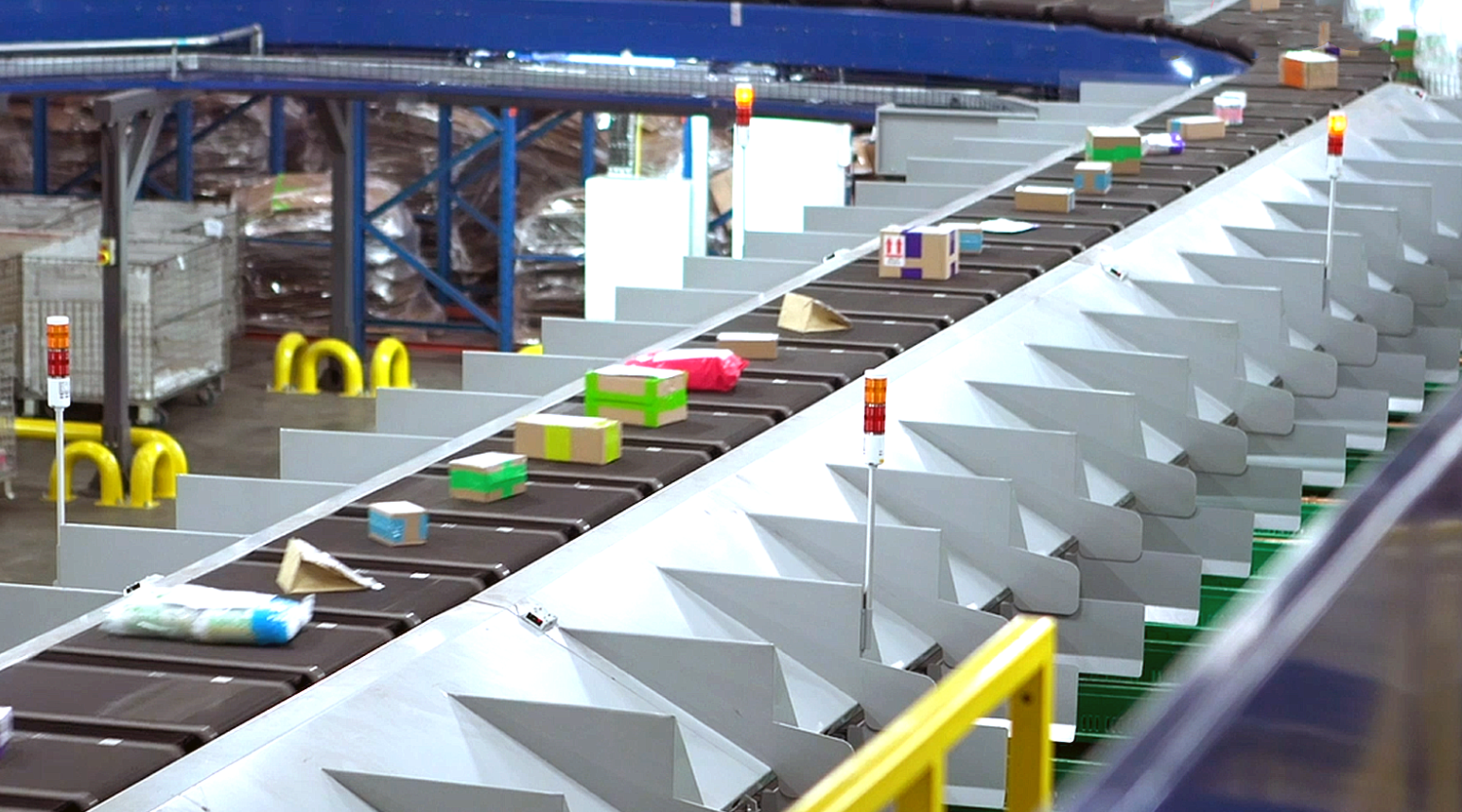
In modern factory automation, precision sorting is a cornerstone of operational efficiency. This guide explores a practical PLC application for weight-based product classification using the Siemens TIA Portal. By automating the segregation of items into specific categories, manufacturers can significantly reduce human error and increase throughput in packaging and logistics lines.
Developing the Control Logic Strategy
The core of any industrial automation project lies in a well-defined sequence of operations. For this system, we focus on three distinct weight classes: 7g, 12g, and 25g. The logic must handle high-speed data acquisition from a load cell, process the comparison, and trigger the mechanical actuators at the precise moment. Using Siemens TIA Portal allows for a seamless integration between the hardware sensors and the software logic.
System Initialization and Detection Phase
Efficiency begins with a stable standby mode. The system remains idle until the operator activates the start sequence. Once the product sensor detects an item in the weighing zone, the PLC initiates a 5-second dwell timer. This delay ensures the scale stabilizes, providing an accurate analog value. Therefore, the precision of this stage dictates the reliability of the entire sorting process.
Strategic Product Routing and Actuation
Once the weight data is captured, the PLC compares the real-time value against predefined thresholds. If the product meets the 7g criteria, the system triggers Actuator B. Similarly, Actuator C handles 12g items, while Actuator D manages the 25g category. This "if-then-else" logic is the heartbeat of the control system, ensuring each item reaches its designated collection container via Conveyor A.
Managing Process Termination and Safety
Safety and energy efficiency are critical in DCS and PLC environments. Once a product passes the "out-sensor" at the final destination, the system must immediately reset. The PLC terminates the specific actuator and conveyor signals to prevent unnecessary wear on mechanical components. Moreover, this feedback loop ensures the system is ready for the next item without overlap or mechanical jams.
Advanced Data Logging and Counter Management
A robust industrial automation system does more than just move hardware; it gathers data. This TIA Portal project includes dedicated memory words (MW) to track the quantity of products sorted into each bin. These counters provide real-time production metrics, which are essential for inventory management. A manual reset function is also integrated, allowing operators to clear data at the start of a new shift.
Professional Insights: The Role of Siemens in Factory Automation
From an engineering perspective, using the Siemens S7-1200 or S7-1500 series for this application is highly recommended. The TIA Portal environment simplifies the "Latching" logic and "Comparator" blocks used in this example. However, I suggest implementing a "Deadband" or a small range (e.g., $6.8\text{g}$ to $7.2\text{g}$) instead of an exact "Equal To" comparison in real-world scenarios. This adjustment accounts for minor sensor noise and physical vibrations common in factory environments.


