

The 2026 Knowledge Capture Race: How Automotive Manufacturing Is Evolving with Digitalization
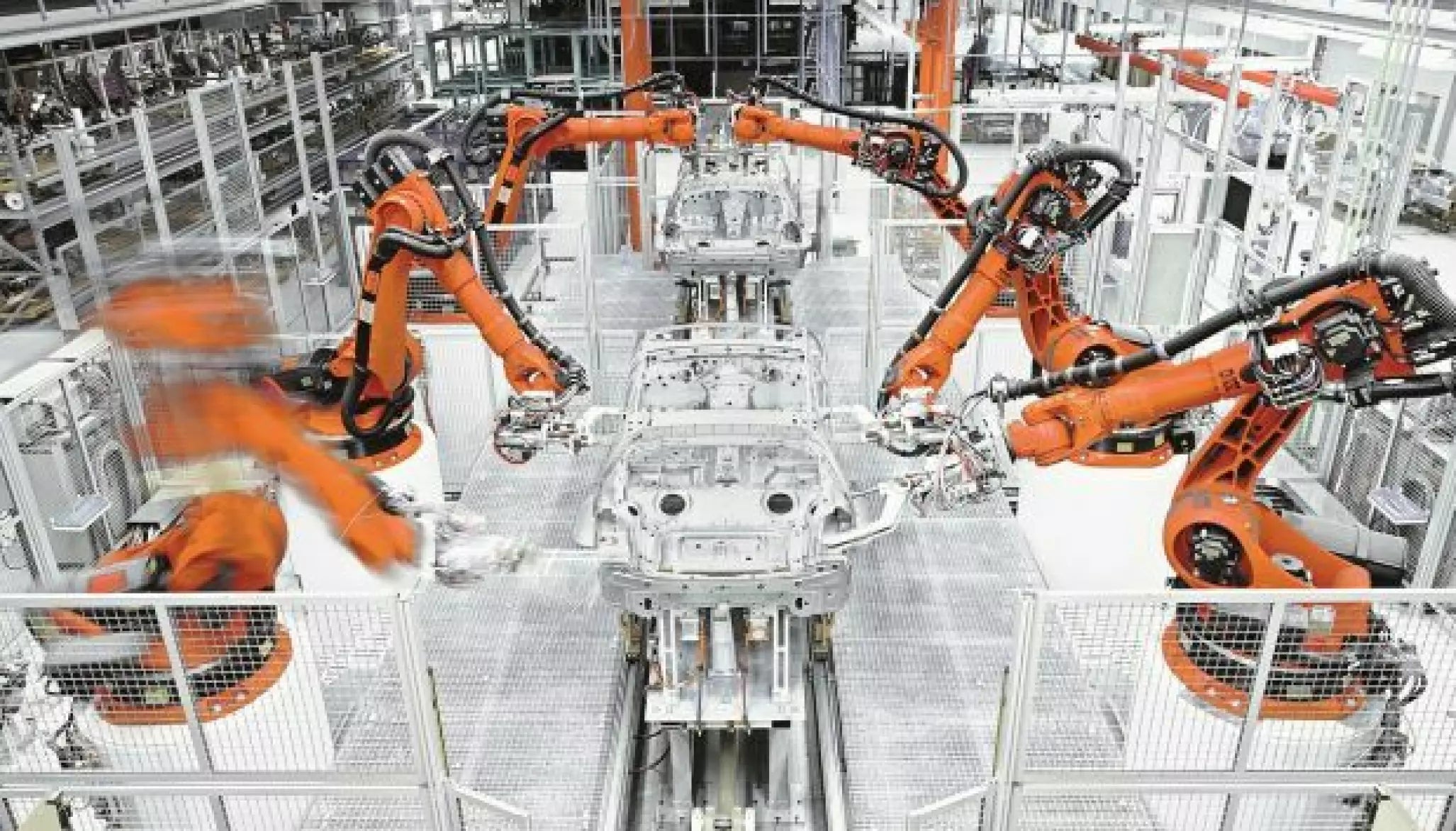
The Knowledge Crisis: A Growing Challenge in Auto Production
Across automotive plants in Europe and North America, a quiet storm is brewing. Tens of thousands of seasoned technicians are nearing retirement, with pivotal knowledge about legacy manufacturing systems slipping away. At Toyota Motor Manufacturing UK's Burnaston facility alone, over 300 workers are set to retire, taking decades of expertise with them.
This mass retirement trend is not unique to Toyota. It’s a reality unfolding at numerous manufacturing sites globally. Engineers who have spent decades refining production lines, optimizing processes, and ingraining manufacturing philosophies in their minds are leaving, and without intervention, their invaluable knowledge could disappear.
The Electrification and Digitalization Imperative
On the other side of the equation, the automotive industry is undergoing a massive transformation. The shift to electric vehicles (EVs), increased reliance on robotics, and the integration of digital systems require entirely new competencies. High-voltage engineering, software integration, and automation are now at the forefront, demanding skills that current workers may not possess.
This creates a knowledge gap: veterans possess deep expertise in traditional manufacturing methods, but the newer generation of workers needs a radically different skill set to navigate the complexities of digital and electrified production lines. The solution? Digitizing the knowledge of departing experts to preserve their wisdom and ensure its accessibility for the future.
Digitalizing Expertise: The Race to Encode Knowledge
The urgency to capture and transfer tacit knowledge is growing. In October 2025, the Automotive Manufacturing North America (AMNA) conference focused on how to tackle this challenge. Industry leaders discussed strategies to extract and encode retiring workers’ knowledge into digital formats, such as large language models and digital twins. These technologies serve not to replace human expertise but to preserve and amplify it.
The concept is clear: experienced workers will feed AI systems with their practical know-how, effectively training digital tools to become repositories of knowledge. This transition from human-centered wisdom to machine-learned intelligence is vital to bridging the knowledge gap in automotive manufacturing.
Toyota’s Hybrid Apprenticeship Program: A Model for the Future
A prime example of addressing the knowledge transfer challenge is Toyota's hybrid apprenticeship program, developed in collaboration with Rockwell Automation and Derby College. This program focuses on both classroom training and hands-on experience with current control systems and simulation software. The aim is to prepare the next generation for real-world manufacturing scenarios while simultaneously capturing the diagnostic intuition of experienced engineers.
Stephen Heirene from Rockwell Automation stresses the importance of modern training programs that reflect actual factory conditions. "Training must reflect real-world applications," Heirene notes, emphasizing that out-of-date equipment does little to prepare learners for the systems they'll encounter in production plants.
Toyota’s program combines two years of classroom learning on control systems with extensive practical experience. By integrating new technologies into the curriculum, Toyota ensures that new workers gain familiarity with the tools they will use while capturing the valuable troubleshooting and problem-solving techniques of seasoned workers.
Scaling Knowledge Capture Across the Industry
Toyota’s success with knowledge transfer provides a template for other manufacturers. However, the challenge lies in scaling these programs across multiple production sites and adapting them to different labor markets and technologies. As more manufacturers launch similar programs in 2026, it will be crucial to see how they customize these initiatives to address regional needs and specific production technologies.
Corporate academies, or "manufacturing universities," could become a common solution for large manufacturers with multiple facilities. These in-house training centers could standardize knowledge transfer and ensure that expertise is shared across the entire organization, ensuring consistency and scalability.
Battery Production: A Critical Knowledge Transfer Area
Battery production is one of the most complex areas in automotive manufacturing, and it highlights the urgent need for knowledge transfer. As Riddhi Padariya, a former Tesla expert, explains, the technical challenges of battery pack assembly are immense. Logistical issues such as managing the delivery of millions of battery cells per week without damage, combined with the need for precise thermal management, require deep expertise.
Padariya emphasizes that even small issues, such as electrolyte leakage, can lead to catastrophic failures. With battery production poised to scale rapidly in 2026, manufacturers must rely on experienced workers to share their knowledge of handling these delicate processes. Optimizing curing times, managing production flow, and preventing damage during assembly are all areas that require a deep understanding that cannot be learned overnight.
As manufacturers scale their battery production to meet increasing demand, the ability to capture and transfer knowledge in real-time will be critical to reducing bottlenecks and improving production efficiency.
Overcoming Resistance to Change: The Human Element in Digital Transformation
While digital tools and upskilling programs are essential, manufacturers must also address the human side of digital transformation. Resistance to change, commonly referred to as "change management," is one of the greatest obstacles in modern manufacturing. At the AMNA conference, leaders from Stellantis, General Motors, and Bosch discussed how combining digital tools with lean manufacturing practices can drive productivity while engaging workers in the process.
The key is to integrate technology in a way that enhances human problem-solving abilities, rather than replacing them. When workers understand the benefits of digital tools and see how they can improve their daily tasks, adoption rates soar. Therefore, success depends not only on the technology itself but also on how it is introduced and supported by leadership.
The Global Competitive Landscape: Knowledge vs. Speed
As 2026 progresses, the automotive industry faces intense global competition. Chinese automakers, such as Nio and BYD, are rapidly scaling EV production, leveraging vertical integration and agile, digital-first manufacturing strategies. Western manufacturers, meanwhile, are attempting to retrofit legacy plants for EV production without halting traditional manufacturing lines.
This creates a structural imbalance: Chinese companies can design and produce new EV models much faster than their Western counterparts, who operate on longer development cycles. However, Western manufacturers hold a distinct advantage—decades of accumulated knowledge in quality control, continuous improvement, and supply chain management. The challenge lies in merging this expertise with modern digital tools to remain competitive.
Manufacturers who succeed in combining their rich history of manufacturing excellence with cutting-edge technologies will have a significant edge over rivals. On the other hand, those who fail to capture and transfer knowledge may struggle to compete against faster-moving, digitally native companies.
The Imperative of Knowledge Preservation
The clock is ticking for automotive manufacturers to capture and preserve the expertise of retiring workers. As the industry's shift to electrification and digital manufacturing accelerates, the challenge becomes even more pressing. The technology exists to preserve institutional knowledge—whether through AI, digital twins, or other tools—but time is running out.
The companies that succeed in this knowledge transfer race will not only preserve their competitive advantage but also ensure the long-term sustainability of their operations. As 2026 unfolds, the winners will be those who treat their retiring workers as a valuable resource, capturing their knowledge through active encoding and digital preservation rather than allowing it to dissipate into retirement.
Application Case Study: Capturing Knowledge in Battery Production
A leading automotive manufacturer recently launched an internal program to capture knowledge from experienced engineers in battery production. Through a combination of digital twin technology and AI-based learning platforms, the company documented not only the steps involved in battery assembly but also the reasoning behind each decision. This "wisdom encoding" allowed new employees to benefit from real-world troubleshooting insights and accelerated their learning curve, reducing common errors in the process.


