

Siemens CES 2026: Accelerating the Industrial AI Revolution
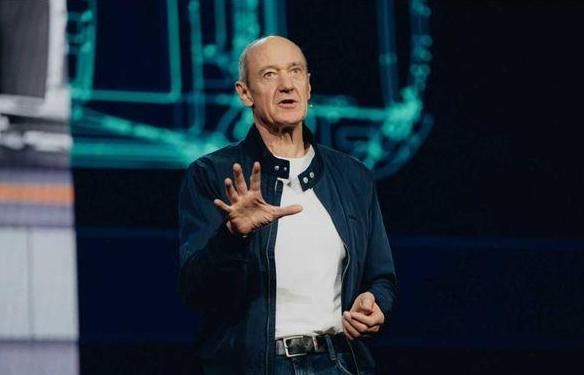
1. Transforming the Industrial Value Chain with AI
Siemens announced a major expansion of its collaboration with NVIDIA at CES 2026, with the goal of developing an industrial AI operating system. This collaboration will significantly impact industries ranging from design to engineering, manufacturing, and supply chain management. By integrating AI into the entire lifecycle of physical systems, Siemens and NVIDIA aim to drive faster innovation, continuous optimization, and more resilient, sustainable manufacturing practices.
NVIDIA’s AI infrastructure, simulation libraries, and open-source models will combine with Siemens' industrial software expertise, enabling the creation of AI-driven adaptive manufacturing plants. This initiative will be demonstrated at Siemens' factory in Erlangen, Germany, slated for launch in 2026.
2. Digital Twin Composer: A New Era of Virtual Simulation
Siemens unveiled its Digital Twin Composer at CES 2026, a pivotal tool for creating high-fidelity virtual models of factories, products, and processes. This software integrates real-time data and simulation capabilities to create comprehensive digital twins, offering businesses a robust platform to simulate and optimize their operations before physical changes are made.
The Digital Twin Composer is designed to enhance industrial simulation by creating virtual 3D models of products or factory layouts and embedding real-time engineering data. This solution will be available through Siemens' Xcelerator Marketplace in mid-2026.
For instance, PepsiCo is already utilizing this technology to simulate and optimize operations at its U.S. facilities. Using digital twins, PepsiCo has improved production throughput and cut design cycles, enhancing overall operational efficiency. This technology has enabled the company to identify up to 90% of potential issues before physical changes are implemented, improving both productivity and capital expenditure by 10%-15%.
3. Industrial Copilots: Empowering the Workforce with AI
Siemens is also expanding its AI-powered industrial tools with the introduction of Industrial Copilots. These copilots are designed to streamline the entire industrial value chain, from product design and simulation to manufacturing and operations. By integrating AI into their existing software tools such as Teamcenter and Opcenter, Siemens aims to reduce human error, accelerate product development, and optimize supply chain and manufacturing processes.
The Industrial Copilot suite offers solutions such as automating compliance processes, improving product data retrieval, and optimizing production workflows. These solutions will be made available to businesses through Siemens' Xcelerator digital platform, ensuring scalable and flexible applications for companies of all sizes.
4. Real-World AI Applications in Life Sciences and Energy
In addition to manufacturing, Siemens showcased how AI is transforming other sectors, such as life sciences and energy. The acquisition of Dotmatics enables Siemens to accelerate drug discovery and development by integrating massive datasets into AI models. Researchers can now use this unified data infrastructure to speed up molecular testing and production validation, cutting development timelines by up to 50% and reducing costs.
In the energy sector, Siemens' collaboration with Commonwealth Fusion Systems is helping accelerate the development of nuclear fusion energy. By using Siemens' powerful simulation tools and data infrastructure, the company is helping pave the way for clean, sustainable energy solutions. This collaboration is a prime example of how AI and industrial automation can be leveraged for both economic and environmental impact.
5. Industrial AI in Manufacturing: Introducing Meta's Ray-Ban AI Glasses
In another innovative move, Siemens is integrating AI into Meta's Ray-Ban smart glasses to assist factory workers with real-time guidance and safety insights. This collaboration is aimed at improving productivity and safety on the factory floor by providing workers with hands-free, real-time information directly within their field of vision. These smart glasses enable frontline workers to receive step-by-step instructions, safety alerts, and operational feedback while performing tasks, increasing both efficiency and safety.
6. Driving Innovation Across Industries: The Future of Industrial Automation
Siemens' advancements at CES 2026 underscore the growing importance of AI-driven industrial automation. With applications spanning from smart factories to advanced robotics and digital twins, the company is leading the way in transforming how industries operate. These innovations are not only improving operational efficiency but also pushing the boundaries of sustainability and innovation.
Siemens continues to expand its partnerships with leading tech companies like NVIDIA to integrate AI at scale across various industrial domains. By offering AI-enhanced solutions, Siemens empowers manufacturers to predict maintenance needs, accelerate product development, and increase the reliability of operations.
Conclusion: A New Era of Industrial Innovation
At CES 2026, Siemens presented a clear vision of the future, where AI and industrial automation come together to transform manufacturing, supply chains, and industries at large. With powerful partnerships, innovative products like the Digital Twin Composer, and the introduction of Industrial Copilots, Siemens is making significant strides in bringing AI-driven technologies to the heart of industrial operations. By accelerating innovation, enhancing efficiency, and reducing costs, Siemens is helping companies meet the challenges of the modern industrial landscape while simultaneously paving the way for a more sustainable and resilient future.


