

Shanghai's 2028 Vision: Accelerating the Future of Industrial Automation
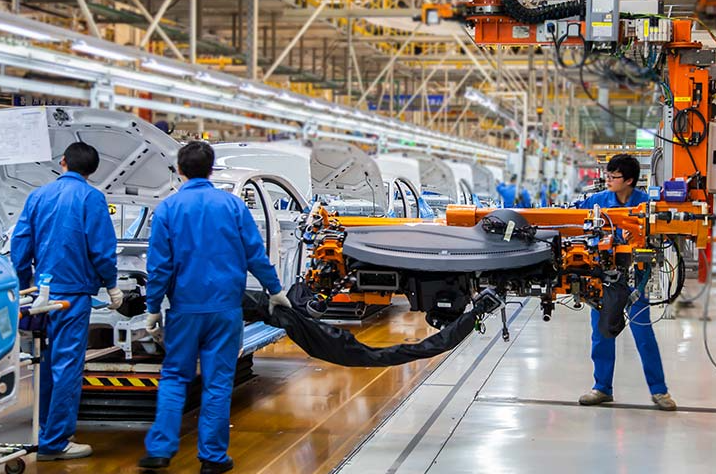
Shanghai recently unveiled an ambitious three-year action plan (2026–2028) to cement its status as a global leader in advanced manufacturing. The municipal government aims to transform the city's industrial landscape by fostering massive enterprise growth and hitting record-breaking automation milestones. By 2028, Shanghai expects to reach a robot density of 600 units per 10,000 employees, signaling a major leap in factory automation and digital intelligence.
Expanding the Scale of High-Value Manufacturing
The new policy focuses on scaling up the city's industrial backbone. Shanghai intends to nurture 100 new manufacturing firms that each generate an annual output exceeding 1 billion yuan ($143.4 million). Consequently, this growth will bring the city's total of such high-capacity enterprises to over 600. Moreover, the plan aims to add 500 "above-designated-size" companies to the industrial chain. These targets reflect a strategic push to strengthen the city's economic resilience through high-output, technology-driven production.
Reaching New Heights in Robot Density
A central pillar of the 2028 vision is the rapid adoption of robotics. Currently, Shanghai's robot density stands above 500 per 10,000 workers—a sharp rise from 260 in 2023. By 2028, the city aims to push this metric to 600. As robot density serves as a primary gauge for industrial automation, this goal places Shanghai at the forefront of the global "smart factory" movement. Achieving this will require the widespread deployment of collaborative robots and advanced control systems across diverse production lines.
Driving AI Integration and Smart Factory Coverage
The action plan emphasizes the "AI + Manufacturing" campaign to revolutionize traditional sectors. By 2027, large-scale enterprises must achieve full digital and intelligent application. This transformation involves integrating large AI models and high-performance computing into the manufacturing process. Furthermore, the plan encourages firms to adopt domestic industrial software for physical simulation and production control. As a result, the digitalization level of intelligent equipment is expected to exceed 70% by the end of the three-year cycle.
Strengthening R&D and Strategic Industry Clusters
To support long-term innovation, Shanghai is mandating a significant increase in R&D spending relative to revenue. The strategy targets key sectors, including integrated circuits, biomedicine, and the "low-altitude economy" (commercial aerospace). By optimizing traditional strengths in steel and petrochemicals while accelerating emerging fields, the city creates a balanced, modern industrial ecosystem. This coordinated approach ensures that technological breakthroughs in DCS and PLC logic translate directly into industrial competitive advantages.
Author Insight: The Strategic Shift to Intelligent Density
In my view, Shanghai’s focus on "robot density" rather than just "total robot count" is a sophisticated move. It acknowledges that the future of manufacturing isn't just about more machines; it’s about the ratio of technology to human labor. As China faces demographic shifts, this high-density automation strategy is essential for maintaining productivity. However, the real challenge for local engineers will be the "Full Stack" integration. Moving from isolated robotic cells to a fully networked DCS environment requires a massive upgrade in local technical talent and software interoperability.


