

Maximizing Agility: How Modular Robotics Redefines Scalable Factory Automation
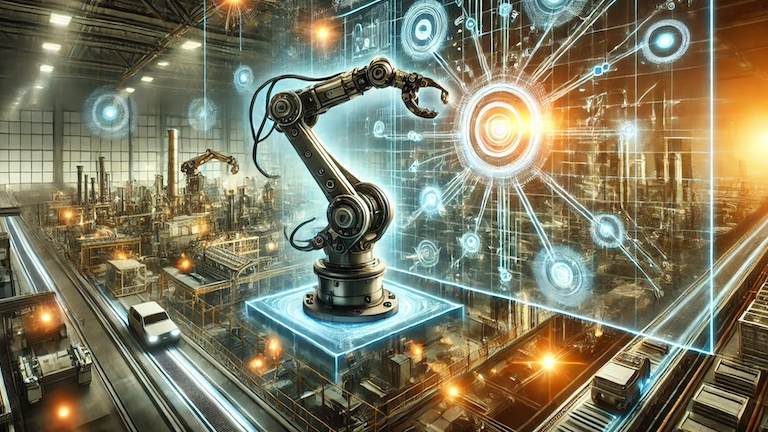
Modern production environments face unprecedented volatility. Consumer preferences shift overnight, and product lifecycles continue to shrink. Consequently, traditional manufacturing layouts often become obsolete before they return their initial investment. Modular robotics offers a strategic solution to this rigidity, providing a framework for truly scalable and adaptive industrial automation.
The Limitations of Rigid Automation Systems
In the past, engineers designed automation for high-volume, low-variety production. These fixed systems excel at repetitive tasks over long durations. However, they lack the flexibility required for today's market. Redesigning a traditional line usually requires extensive downtime and significant capital expenditure. If your control systems cannot adapt to new parameters quickly, you risk losing your competitive edge. Therefore, relying on static infrastructure in a dynamic market often leads to operational "dead ends."
Modular Robotics: The Building Blocks of Industry 4.0
Modular robotics functions like an advanced, industrial-grade construction set. Unlike monolithic machines, these systems consist of discrete components with standardized interfaces. You can swap actuators, sensors, and grippers to meet new production requirements. This "plug-and-play" architecture allows for rapid reconfiguration without discarding existing hardware. Moreover, many modules now follow open standards, which prevents the common pitfall of vendor lock-in and simplifies integration with existing DCS (Distributed Control Systems).
Accelerating ROI Through Incremental Scalability
The financial benefits of modularity are clear and compelling. Manufacturers can start with a minimal viable setup to manage immediate needs. As demand increases, they can add specialized modules to boost throughput or precision. This approach transforms a massive upfront cost into a manageable, incremental investment. Furthermore, maintenance becomes more efficient. You can service or replace a single module while the rest of the factory automation system remains operational, significantly reducing costly downtime.
Technical Evolution and Future-Proofing Assets
Investing in modularity is essentially an insurance policy against technological obsolescence. As PLC (Programmable Logic Controller) technology evolves, you can upgrade control modules without replacing mechanical frames. Similarly, if a new AI-driven vision sensor hits the market, you simply integrate the new module into your existing workflow. This adaptability ensures that your floor remains compatible with emerging Industry 4.0 protocols. In my experience, the ability to iterate on the fly is what separates industry leaders from those struggling with legacy constraints.
Overcoming Implementation Challenges in System Integration
Transitioning to a modular floor is not without its complexities. It requires meticulous planning regarding communication protocols and mechanical tolerances. Engineers must ensure that power and data flow seamlessly between disparate modules. However, the long-term rewards far outweigh these initial integration hurdles. By focusing on standardized interfaces from the start, you build a foundation that can grow alongside your business objectives and workforce capabilities.
Author’s Commentary: The Strategic Shift
I believe we are moving away from the era of "buying a machine" toward "investing in a platform." In the B2B sector, the most successful firms treat their production floor as a living software-hardware hybrid. Modular robotics isn't just a hardware choice; it is a business strategy that prioritizes optionality. If your equipment cannot change as fast as your customers' minds, your hardware is a liability, not an asset.


