

How AI and Industrial Automation are Reimagining Modern Shipbuilding
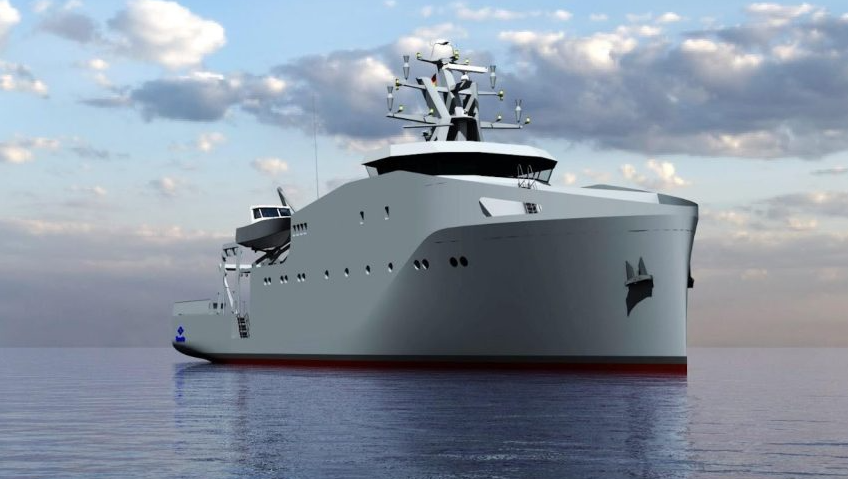
Artificial intelligence is no longer a futuristic concept but a vital tool for modern manufacturing. While naval organizations have used AI for years, the commercial maritime sector is now catching up. Today, industrial automation and AI-driven workflows are helping shipbuilders overcome labor shortages and complex engineering hurdles. By integrating these technologies, yards can accelerate production and enhance vessel performance. Consequently, the industry is shifting from traditional manual methods toward highly efficient, data-centric operations.
Navigating Current Challenges in Global Shipyards
Modern shipbuilders face intense pressure from global competition and shrinking delivery timelines. Additionally, a shrinking pool of skilled tradespeople threatens the continuity of traditional shipbuilding expertise. Legacy infrastructure and fragmented supply chains often lead to costly delays in construction cycles. Furthermore, new environmental regulations require the industry to prioritize decarbonization and fuel efficiency. To survive, shipyards must adopt advanced factory automation and smarter resource management tools.
A Strategic Framework for Digital Maturity
Siemens defines digital transformation through a structured five-step maturity model. Initially, companies move from paper-based documents to centralized, model-based systems. Next, they connect data across various departments to establish a single source of truth. The third phase, "Automate," uses AI to eliminate repetitive tasks for engineers. Following this, the "Generate" phase employs generative design to explore thousands of hull and equipment configurations. Finally, the "Optimize" phase uses simulation to refine performance before the first piece of steel is cut.
AI Integration in Vessel Design and Engineering
AI technologies significantly improve accuracy in complex vessel engineering. Unlike the automotive sector, shipbuilding involves massive, one-off projects with millions of individual components. Therefore, generic control systems must be adapted for unique maritime requirements. AI-enhanced software can now automate requirement development and technical reporting. Moreover, these tools allow designers to simulate material flows within the shipyard itself. As a result, engineers make faster, data-backed decisions that reduce physical waste.
The Rise of the Industrial Metaverse
The industrial metaverse represents the peak of digital transformation in the maritime world. It combines comprehensive digital twins with real-time, physics-based rendering. Through partnerships between Siemens and NVIDIA, shipbuilders can now visualize massive datasets interactively. This technology allows global teams to collaborate in a shared virtual environment. Consequently, tasks that previously required weeks of manual coordination now take only hours. This virtual approach reduces the risks associated with building complex, alternative-fuel vessels.
Expert Insight: The Shift Toward Software-Defined Shipbuilding
In my view, the maritime industry's move toward AI is a necessary response to the "complexity crisis." As ships transition to hydrogen or ammonia power, traditional DCS (Distributed Control Systems) become more intricate. AI serves as the essential bridge between human intuition and machine precision. However, the industry must ensure that digital twins remain synchronized with the physical asset throughout its lifecycle. I believe that shipyards ignoring these industrial automation trends will struggle to remain competitive against highly digitized Asian yards.
Future Outlook: Sustainability Through Automation
The future of maritime trade depends on the rapid development of eco-friendly vessels. AI-powered digital twins enable companies like HD Hyundai to manage the extreme complexity of next-generation ships. These systems monitor everything from structural integrity to the efficiency of onboard PLC units. By shortening the feedback loop between design and production, automation directly supports global decarbonization goals. Ultimately, the integration of AI ensures a more resilient and sustainable shipping infrastructure.


