

ABB Factory Achieves Zero Emissions with 100% Renewable Energy and Smart Automation
Industrial Automation Driving Sustainable Manufacturing
Industrial automation is increasingly shaping how factories reduce emissions while keeping productivity stable. ABB’s Oiartzun factory in Spain offers a strong example. By combining renewable energy, factory automation, and digital control systems, ABB shows how legacy plants can reach zero operational emissions without sacrificing efficiency.
Mission to Zero Sets a Clear Decarbonization Path
ABB transformed its 110-year-old Oiartzun site under its global Mission to Zero strategy. The factory produces wiring accessories and smart home products. However, age did not limit progress. Instead, ABB upgraded infrastructure, processes, and energy management using proven industrial automation technologies.
Renewable Electricity Powers All Operations
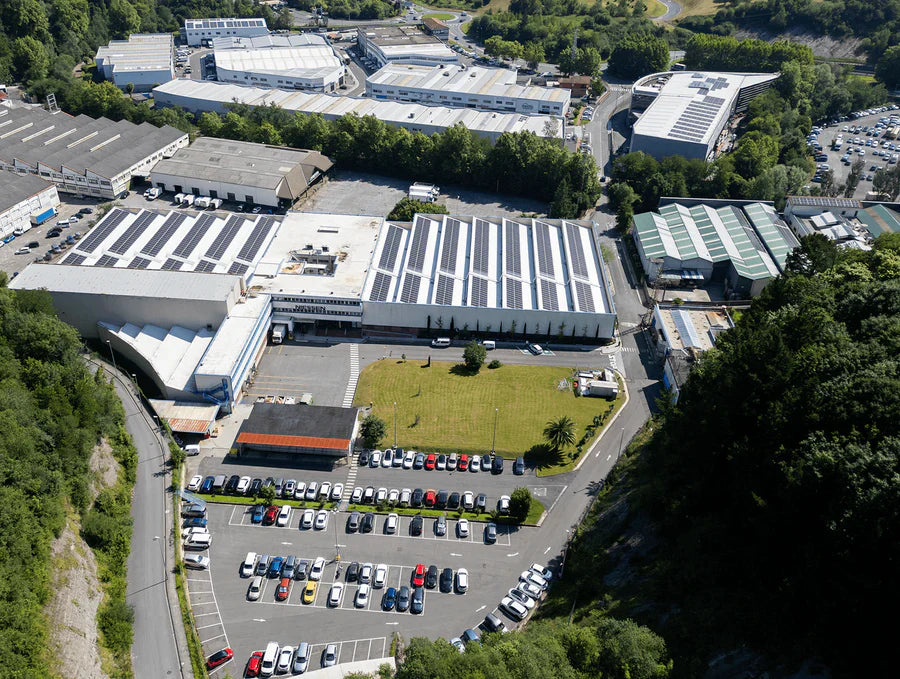
The Oiartzun factory now operates on 100% renewable electricity. ABB eliminated fossil fuel use across production lines, utilities, and building services. Moreover, the site blends on-site solar generation with certified renewable grid electricity to ensure continuous, low-carbon power.
On-Site Solar Supports Factory Automation Loads
ABB installed more than 580 kWp of photovoltaic capacity at the site. This solar system supplies a significant share of daily electricity demand. As a result, automated production equipment, PLC-controlled systems, and smart building loads rely less on external energy sources during peak operation.
Electrification Enables Low-Carbon Mobility
In addition to clean power, ABB deployed electric vehicle charging infrastructure. This supports fleet electrification and employee commuting. Therefore, the factory aligns energy generation, transport electrification, and control systems within one integrated sustainability framework.
Energy Consumption Reduced Through Smart Control Systems
Since 2019, the factory has reduced energy consumption by 42%. ABB achieved this through electrification, automation, and process optimization. In practice, engineers upgraded heating systems, recovered waste heat, and optimized production schedules using digital control systems.
Building Automation Improves Energy Efficiency
ABB uses its own building automation solutions to manage lighting, HVAC, and power distribution. These systems rely on sensors, PLC logic, and intelligent controllers. Consequently, the factory adjusts energy use based on occupancy, production demand, and operating hours.
Real-Time Monitoring Enhances Operational Decisions
ABB eLink provides real-time energy monitoring across the facility. Operators can track consumption trends and identify inefficiencies immediately. In my experience, such visibility is critical for continuous improvement in factory automation and energy management projects.
Industry Standards Strengthen Credibility
The Oiartzun site holds ISO 50001 certification for energy management. It has also achieved Zero Waste to Landfill status. These standards reinforce ABB’s credibility and align with global best practices in industrial sustainability.
Eco-Designed Products Support Circular Manufacturing
Under ABB’s EcoSolutions framework, the factory manufactures products with recycled and recyclable materials. Some wiring accessories use up to 95% recycled content in painted finishes. Moreover, switch inserts remain fully recyclable, supporting circular economy goals.
Collaboration Accelerates Energy Transition
ABB works with technology centers, suppliers, and circular economy partners. This collaboration helps the factory adopt new solutions and stay aligned with evolving energy regulations. Therefore, the energy transition becomes a shared, scalable effort rather than a standalone project.
Community Engagement Builds Long-Term Value
Employees also lead local initiatives through the Aukerak Sortzen program. These activities include environmental clean-ups and social projects. While indirect, such engagement strengthens trust and supports sustainable industrial development at the local level.
Author’s Insight: A Replicable Model for Smart Factories
From an industrial automation perspective, ABB’s approach stands out for its integration. Renewable energy alone rarely delivers full impact. However, when combined with PLC-based automation, digital energy management, and data-driven control systems, results become measurable and repeatable.
Application Scenario: Smart Factory Energy Retrofit
For manufacturers operating aging facilities, the Oiartzun project offers a clear roadmap. Start with energy monitoring, then automate building and process control. Finally, integrate renewable power and electrified utilities. This phased approach reduces risk while delivering steady energy and emissions improvements.
Conclusion: Automation Makes Net Zero Achievable
ABB’s zero-emission factory demonstrates that industrial automation plays a central role in decarbonization. Through smart control systems, renewable integration, and operational expertise, factories can reach sustainability targets while remaining competitive.


