

ABB and NVIDIA Bridge the "Sim-to-Real" Gap with Physical AI and Omniverse
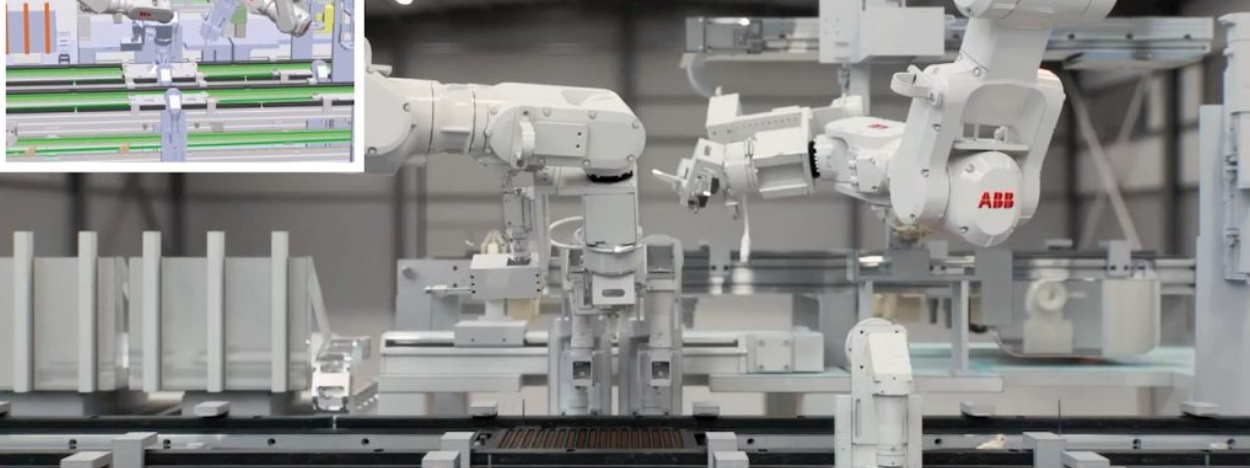
The industrial sector is witnessing a transformative shift as physical AI moves from experimental labs to the factory floor. A strategic partnership between ABB Robotics and NVIDIA aims to solve a persistent challenge in factory automation: the discrepancy between digital simulations and physical reality. By integrating high-fidelity simulation tools, manufacturers can finally achieve reliable robotic performance in unpredictable real-world environments.
Solving the Traditional Challenges of Industrial Automation
Historically, engineers struggled to make intelligent robotics function consistently outside of controlled testing areas. Environmental variables like shifting light, complex material physics, and subtle part variations often disrupted digital models. Consequently, many firms relied on expensive physical prototypes to validate their control systems. This friction inevitably delayed product launches and inflated operational budgets across the manufacturing landscape.
Transitioning to Hyper-Realistic Digital Twins
To overcome these hurdles, ABB is launching "RobotStudio HyperReality" in late 2026. This platform embeds NVIDIA Omniverse libraries directly into ABB’s existing software ecosystem. Therefore, engineers can now create physically accurate digital environments that mirror the actual factory floor. By exporting stations as Universal Scene Description (USD) files, the system captures everything from kinematics to lighting with extreme precision.
Precision Engineering via Synthetic Data and AI
The integration offers more than just visual accuracy; it provides a 99 percent behavioral match between digital and physical realms. Instead of manual programming, computer vision models now learn using synthetic images generated within the software. Moreover, ABB’s Absolute Accuracy technology works alongside these AI models to reduce positioning errors. As a result, tolerances drop from a wide 8-15 mm range to a precise 0.5 mm, which is vital for high-spec industrial automation tasks.
Real-World Gains in Deployment Efficiency
Early adopters like Foxconn already demonstrate the tangible ROI of this technology. Foxconn uses these simulations for delicate consumer electronics assembly, where frequent product changes are common. By validating factory automation virtually, they anticipate significant reductions in setup time and the elimination of costly physical trials. Similarly, providers like Workr are using the platform to onboard new parts in minutes without requiring deep specialized programming skills.
Scaling Physical AI at the Edge
The collaboration also extends into hardware evolution for control systems. ABB is currently evaluating NVIDIA’s Jetson edge platform for integration into its Omnicore controllers. This step would allow for real-time AI inference across entire robotic fleets. Manufacturers adopting this digital-first approach can expect to slash commissioning times by up to 80 percent, providing a massive competitive advantage in fast-moving markets.
Author Insight: The Strategic Importance of Synthetic Data
In my assessment, the real breakthrough here is not just the "pretty pictures" of a simulation, but the democratization of high-precision data. Traditionally, training a robot for a new task required thousands of manual hours. Now, synthetic data generation allows for "overnight" training. I believe that upskilling engineering teams to manage these data pipelines will be the most critical factor for success in the next decade of industrial automation.


