

Unleashing Potential: How Collaborative Robots are Revolutionizing Industrial Automation
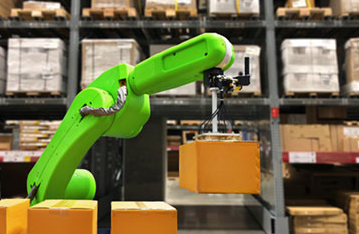
The landscape of industrial automation is undergoing a seismic shift. Recent data from IDTechEx projects that collaborative robot (cobot) revenues will soar from $1.2 billion to nearly $30 billion within a decade. This growth signifies a move away from rigid, isolated machinery toward flexible, human-centric systems. Manufacturers now face a pivotal moment to integrate these versatile tools into their existing control systems.
Defining the Modern Cobot Experience
A cobot is not simply a smaller robot. It is a machine designed to share workspaces with humans safely. Unlike traditional heavy machinery, cobots use advanced sensors to detect obstacles and stop immediately. They often feature rounded designs and operate on standard 110V power. This portability allows teams to move them between different production cells. Consequently, they provide a level of agility that traditional factory automation cannot match.
Safety and Accessibility in Collaborative Design
Experts like Jerry Perez from FANUC note that "collaborative" refers to ease of use, not just physical proximity. Interestingly, nearly 50% of cobots still utilize some fencing or sensors for extra protection. This is especially true when arms operate at head height or perform hazardous tasks like welding. Moreover, cobots eliminate the need for complex programming. Operators can now use intuitive tablets or "teach pendants" to guide the robot's movements.
Transitioning from Industry 4.0 to Industry 5.0
While Industry 4.0 focused on data and PLC connectivity, Industry 5.0 prioritizes the human-machine bond. This new era uses AI and machine learning to handle repetitive chores. As a result, human workers can focus on creative problem-solving and strategic oversight. Furthermore, cloud computing allows technicians to troubleshoot systems remotely. This connectivity ensures that a minor glitch does not halt an entire production line for days.
Higher Payloads and Reach Capacity
A significant trend involves the development of cobots with increased strength. Brands like Kassow Robotics are meeting demands for higher payloads and longer reach. These machines bridge the gap between light cobots and heavy industrial automation units. They maintain a small footprint while tackling tougher jobs. In my opinion, this "middle-ground" category will likely become the standard for mid-sized manufacturers seeking versatile upgrades.
The Rise of Pre-Engineered Turnkey Solutions
Manufacturers are increasingly moving toward "plug-and-play" models. These pre-engineered solutions target specific tasks such as palletizing, welding, or machine tending. They allow companies without extensive robotics experience to deploy automation quickly. Instead of complex code, users interact with a solution-based interface. This shift makes high-end technology accessible to small and medium enterprises (SMEs) that previously lacked the budget for custom engineering.
AI-Powered Vision and Inspection Systems
Cobots excel in high-precision tasks like facet inspection for aerospace or bio-medical parts. One aerospace client reduced an inspection process from 12 hours to just 10 minutes using automated scanning. Furthermore, AI-powered 3D vision now allows for "adaptive dynamic path creation." This means a robot can identify part orientation in real-time. It can then apply glue or insert screws without stopping the conveyor belt or needing manual adjustments.
Mobile Manipulators for Logistics and Agriculture
The integration of robotic arms with Autonomous Mobile Robots (AMRs) is a game-changer for logistics. These mobile units can travel between stations to perform various tasks using different end-of-arm-tools (EOAT). In the agriculture sector, AI-driven cobots are now harvesting produce. They use specialized sensors to determine ripeness and adjust their grip accordingly. This technology addresses the chronic labor shortages currently plaguing the farming industry.
Overcoming Economic and Labor Challenges
The American Welding Society predicts a shortage of over 300,000 welders by 2029. Cobots offer a viable solution by automating simple, repetitive welds in hazardous environments. To manage the high cost of investment, some integrators now offer "Robot-as-a-Service" (RaaS) models. This allows firms to pay per hour or per month. This flexible financing helps businesses stay competitive despite global economic uncertainty and trade tensions.


