

Fanuc's Robotics Trends for 2026: Shaping the Future of Industrial Automation
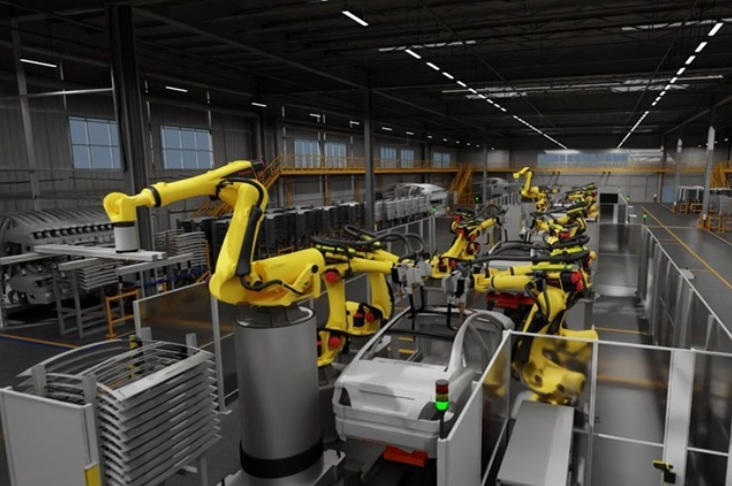
1. AI-Powered Robotics: Smarter and Safer Automation
Artificial Intelligence (AI) is revolutionizing the capabilities of industrial robots. Fanuc is at the forefront of integrating AI into robotic systems, making them not only smarter but also faster and safer to deploy. AI enhances various aspects of robotics, from adaptive motion control to safety-aware human-robot collaboration.
Faster Deployment with AI
AI's ability to accelerate deployment is one of its most significant benefits. By simplifying programming processes, AI allows non-specialists to easily instruct robots using natural language commands. This development reduces the engineering burden, enabling businesses to integrate automation more rapidly and achieve a faster return on investment.
Improving Human-Robot Collaboration
AI-driven robots can work alongside human operators more safely and efficiently. Advanced vision systems enable robots to detect obstacles and recalculate their movements in real-time, ensuring that operations run smoothly without risking safety. This adaptability is crucial as robots become an integral part of the workforce, enhancing collaboration without the need for extensive retraining.
2. Scalable and Adaptive Automation Solutions
In 2026, automation solutions are becoming more scalable, flexible, and accessible to a wider range of industries. Smaller, agile automation systems are being designed to adapt to changing production needs, especially in environments where labor shortages are a significant challenge.
Addressing Labor Shortages with Scalable Solutions
Robotic systems designed for pick-and-place tasks, palletizing, and low-skilled operations are gaining traction as they help manufacturers address labor shortages. These systems can be deployed quickly and are designed for easy adaptation to new tasks, making automation an attractive option for businesses of all sizes.
Reducing Costs with Smart Automation
Manufacturers are increasingly considering the total cost of ownership (TCO) when adopting automation systems. Beyond the initial purchase price, businesses are factoring in long-term costs such as maintenance, energy consumption, and potential downtime. This shift in focus is encouraging suppliers to create more affordable, user-friendly systems that promise long-term efficiency.
A Faster Path to Automation
Thanks to innovations in AI, vision systems, and simplified programming tools, the process of implementing automation has become more accessible. Manufacturers can now deploy scalable solutions that are both cost-effective and easy to implement, enabling them to keep pace with evolving market demands and labor constraints.
3. Open Ecosystems: Driving Innovation Through Collaboration
The future of industrial automation hinges on collaboration. Open platforms and partnerships between hardware and software providers are fostering flexible, integrated solutions that encourage innovation and ease of adoption.
Embracing Open-Source Robotics Platforms
Fanuc is partnering with industry leaders, such as Nvidia, to integrate AI solutions into its robotic systems. One of the key steps in this collaborative journey is Fanuc's support for the open-source ROS 2 platform, which uses Python programming. By enabling developers to build AI-powered applications on Fanuc's hardware, these partnerships make it easier for businesses to adopt cutting-edge technology without significant barriers to entry.
Benefits for the Next Generation of Engineers
The rise of open ecosystems also bridges the gap between education and industry. ROS 2 and Python are widely used in academic settings, meaning that young engineers can apply their skills directly to industrial automation systems. This integration of educational tools with industrial hardware accelerates the adoption of AI in real-world manufacturing environments and ensures a seamless transition from academia to industry.
4. Real-World Applications: Robotics in Action
Addressing Real-World Manufacturing Challenges
AI-powered robotics is already making an impact across various industries. Manufacturers are using AI-driven robots for everything from quality control to flexible manufacturing. The ability to quickly deploy robots in response to changes in production requirements has proven invaluable, particularly in high-demand environments where flexibility is key.
Case Study: Smart Robotics in Assembly Lines
In a real-world application, manufacturers are using AI-based robots to perform assembly tasks with high precision. These robots are designed to work in sync with human operators, responding to real-time changes in production schedules and adjusting their actions accordingly. This capability allows for more efficient workflows and reduces downtime, ensuring that production goals are met with minimal delays.
5. Future Outlook: Embracing Robotics for Competitive Advantage
As we approach 2026, the role of robotics in industrial automation will only continue to grow. Fanuc's advancements in AI and scalable automation systems are setting the stage for a more intelligent, efficient, and adaptable manufacturing landscape. By integrating AI, simplifying deployment, and fostering open collaboration, Fanuc is empowering manufacturers to embrace the future of automation with confidence.


