

Emerging Trends in Industrial Automation and Power Electronics in 2026: A Future-Ready Australia
1. Smart AI: The New Brain of Industrial Automation
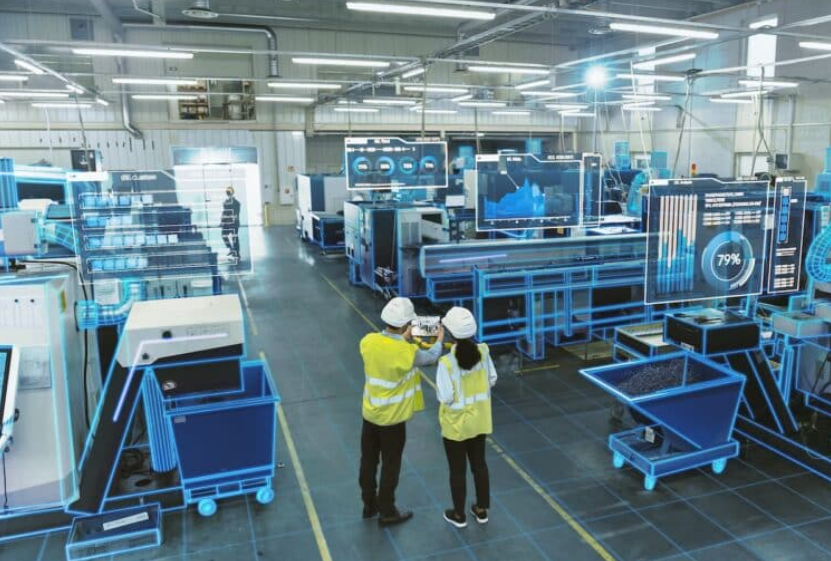
Artificial Intelligence (AI) is becoming an integral part of factory automation systems. By 2026, AI-driven solutions will take on more autonomy, performing diagnostics, identifying failures, and even initiating repairs in critical control systems like PLCs and VSDs. AI’s ability to spot issues 10 times faster than humans using advanced cameras and sensors is revolutionizing fault detection and maintenance.
AI in power electronics also plays a critical role, simulating various operational scenarios for devices like converters and power controllers. For instance, AI is used in industries like automotive manufacturing and renewable energy to predict wear and tear, ensuring minimal downtime and maximizing system lifespan. In Australian plants, where automation is gaining traction, this technology is particularly useful in enhancing system reliability while minimizing human intervention.
Moreover, with continuous learning capabilities, AI is expected to reduce waste by as much as 25%, improving overall efficiency and cost-effectiveness.
2. Wide-Bandgap Semiconductors: The Power Boost from SiC and GaN
Silicon carbide (SiC) and gallium nitride (GaN) semiconductors are at the forefront of innovation in power electronics. These wide-bandgap materials are revolutionizing power conversion in critical industries such as solar, electric vehicles (EVs), and infrastructure. In Australia, the growing demand for high-performance chips is being driven by renewable energy projects and the shift towards electric mobility.
SiC is ideal for high-voltage applications, such as mining equipment and power grids, while GaN is more suited for high-frequency, smaller-scale applications like EV chargers and IT power supplies. The market for these power semiconductors is growing at an impressive rate of over 20% annually, far outpacing traditional silicon-based power devices. This growth is largely due to their superior thermal efficiency, reduced energy loss, and ability to withstand high voltages—qualities critical to the performance of energy-intensive systems like AI-driven data centers and electric vehicles.
As the market for SiC and GaN continues to expand, it is crucial for companies to invest in proper design and testing tools to manage their thermal performance. This ensures that equipment does not overheat, which could lead to system failures.
3. Robotics and Flexible Factories: Redefining Australian Industry
Flexible robots are set to play a transformative role in Australian industrial automation. These robots, powered by advanced controllers and connected through 5G networks, can be rapidly reprogrammed to switch between tasks in a matter of hours. This adaptability makes them ideal for factories dealing with fluctuating production demands, including the manufacturing and mining sectors.
In addition, robots equipped with AI can optimize material handling, inventory management, and even reroute goods on the fly, minimizing production bottlenecks and boosting overall factory throughput. This flexibility is complemented by smart sensors and integrated control systems like PLCs, which enable real-time monitoring of factory conditions.
The rise of collaborative robots (cobots) and AI-driven systems is expected to improve factory efficiency by automating routine tasks while enabling workers to focus on more complex operations. In fact, Australian manufacturers are already leveraging refurbished automation equipment to enhance their operational efficiency without the need for complete overhauls, creating a more cost-effective path to modernization.
4. The Role of 5G and Edge Computing in Industrial Connectivity
As industrial automation becomes more complex, the need for fast, reliable communication across devices and systems is growing. In this context, 5G networks and edge computing are playing a pivotal role in transforming how factories operate. These technologies enable real-time data exchange between devices, allowing operators to monitor and control systems from remote locations with minimal latency.
Edge computing, combined with 5G connectivity, allows for more intelligent decision-making on the factory floor by processing data locally rather than relying solely on cloud systems. This reduces communication delays and helps factories make faster, more accurate decisions. For example, sensors integrated into control systems like PLCs can instantly detect faults in critical components and send alerts to maintenance teams, who can then address issues before they cause significant downtime.
This shift towards connected devices and networks is particularly valuable for remote or dispersed operations in Australia, where many facilities are located in geographically isolated areas. By enabling better data flow and enhancing the decision-making process, 5G and edge computing help factories become more responsive and resilient.
5. Green Energy and Sustainability: Reuse and Circular Economy
Sustainability is a key driver behind the adoption of automation and power electronics. The transition towards greener energy systems, including renewable energy sources like wind and solar, is being powered by smart automation and high-efficiency power electronics. Moreover, Australian companies are embracing the Circular Economy principles by reusing equipment, refurbishing older devices, and extending the lifespan of critical components.
The integration of SiC and GaN chips into existing power converters and controllers is enabling more efficient solar power generation and EV charging systems. AI-driven systems help track energy usage and ensure that sustainability targets are met, reducing power waste by up to 30%. By refurbishing existing automation equipment, such as VSDs and PLCs, instead of opting for new systems, companies can lower costs by 40-60% while contributing to the reduction of e-waste.
This trend is supported by government policies in Australia, which encourage the adoption of automation solutions that are both cost-effective and environmentally friendly. By refurbishing and modernizing older systems, companies can meet the growing demand for green energy while minimizing their environmental footprint.
6. The Future of Automation in Australia: Optimizing Existing Infrastructure
The future of industrial automation in Australia lies in smart upgrades to existing infrastructure. Rather than replacing entire systems with the latest technology, Australian manufacturers are increasingly opting to refurbish and modernize their existing equipment. This approach, exemplified by companies like Rom-Control, allows businesses to extend the life of their drives, controllers, and automation systems while integrating modern features like better connectivity and AI-enhanced performance.
By focusing on component-level repairs and upgrades, Australian manufacturers can stay competitive in a global market that is increasingly reliant on cutting-edge technology. This strategy is particularly relevant as the demand for advanced chips, smart robots, and AI-driven automation systems grows. Leveraging the capabilities of both old and new technologies allows companies to maximize their return on investment while maintaining the reliability and performance of their operations.


