

ผลิตภัณฑ์ซีรีส์ Allen Bradley PLC-5 คืออะไร?
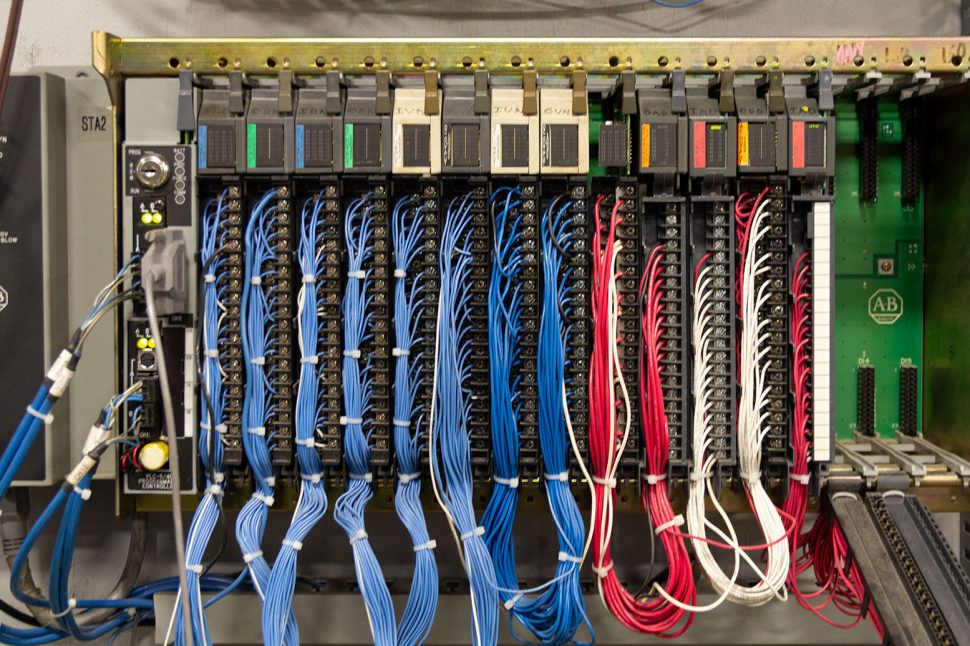
ในภูมิทัศน์กว้างใหญ่ของระบบอัตโนมัติในอุตสาหกรรม คอนโทรลเลอร์ซีรีส์ PLC-5 ของ Allen Bradley โดดเด่นด้วยประสิทธิภาพที่ยอดเยี่ยมและการใช้งานที่แพร่หลาย บทความนี้จะอธิบายอย่างเป็นระบบเกี่ยวกับคุณสมบัติทางเทคนิคของผลิตภัณฑ์ในซีรีส์ PLC-5 และแบ่งปันมุมมองเฉพาะตัวจากประสบการณ์ส่วนตัวในสาขาอุตสาหกรรมอัตโนมัติ ทั้งนี้ยังคงรักษาสไตล์การเขียนที่เป็นธรรมชาติและเหมือนมนุษย์
I. คุณสมบัติทางเทคนิคของ Allen Bradley PLC-5 ซีรีส์
1. ความสามารถในการประมวลผลที่ทรงพลัง
คอนโทรลเลอร์ซีรีส์ PLC-5 เช่น 1785-L30B มีหน่วยความจำผู้ใช้สูงสุดถึง 32K คำ ซึ่งสามารถรองรับความต้องการควบคุมอุตสาหกรรมที่ซับซ้อนได้อย่างเต็มที่ คอนโทรลเลอร์เหล่านี้รองรับอุปกรณ์ I/O สูงสุดถึง 1024 ตัว (ในรูปแบบผสมผสานของอินพุต/เอาต์พุตแบบดิสครีตและแอนะล็อก) หรือชุดเสริมของอินพุต 1024 ตัวและเอาต์พุต 1024 ตัว เพื่อให้มั่นใจในความสามารถในการปรับตัวและความยืดหยุ่นที่กว้างขวาง
2. อินเทอร์เฟซการสื่อสารที่ครอบคลุม
คอนโทรลเลอร์ PLC-5 มาพร้อมกับพอร์ตการสื่อสารหลากหลายประเภท รวมถึงพอร์ต DH+/Remote I/O (อะแดปเตอร์หรือสแกนเนอร์) และพอร์ตอนุกรม พอร์ตเหล่านี้รองรับมาตรฐานการสื่อสารหลายแบบ เช่น RS-232, RS-422A และอื่น ๆ ขณะที่ความสามารถในการขยายช่วยให้สามารถเพิ่มโมดูลอินเทอร์เฟซอีเธอร์เน็ตได้ ทำให้สามารถเชื่อมต่อเครือข่ายได้กว้างขึ้น การออกแบบนี้ช่วยเพิ่มความสามารถในการรวมระบบและความสะดวกในการตรวจสอบระยะไกลอย่างมาก
3. รองรับสถาปัตยกรรม Remote I/O
คอนโทรลเลอร์ซีรีส์ PLC-5 รองรับสถาปัตยกรรม Remote I/O ซึ่งช่วยให้สามารถเชื่อมต่อแร็ค Remote I/O ได้สูงสุดถึง 28 แร็ค ผ่านพอร์ตการสื่อสารในตัว เช่น ช่อง DH+ และ Remote I/O (RIO) ผู้ใช้สามารถสร้างระบบควบคุมแบบกระจายได้อย่างง่ายดาย ช่วยเพิ่มความน่าเชื่อถือและความยืดหยุ่นของระบบ
4. การปกป้องข้อมูลและการสำรองข้อมูล
คอนโทรลเลอร์ PLC-5 เช่น 1785-L30B มีแบตเตอรี่สำรองที่ทำงานโดยอัตโนมัติเมื่อแหล่งจ่ายไฟหลักล้มเหลว เพื่อปกป้องหน่วยความจำผู้ใช้และข้อมูลโปรแกรมจากการสูญหาย นอกจากนี้คอนโทรลเลอร์ยังมีช่องเสียบโมดูล EEPROM สำหรับสำรองโปรแกรม เพื่อให้มั่นใจในความปลอดภัยและการกู้คืนข้อมูล
5. การใช้งานและการตรวจสอบที่เข้าใจง่าย
แผงหน้าของคอนโทรลเลอร์ซีรีส์ PLC-5 ติดตั้งไฟแสดงสถานะและสวิตช์กดหลายตัว เพื่ออำนวยความสะดวกในการตรวจสอบสถานะของคอนโทรลเลอร์และการตั้งค่ารูปแบบการควบคุม ไฟแสดงสถานะและปุ่มเหล่านี้ช่วยให้ขั้นตอนการใช้งานง่ายขึ้น และเพิ่มความสามารถในการบำรุงรักษาระบบและการวินิจฉัยข้อผิดพลาด
สินค้าบางส่วนในสต็อก
1715-AENTR
1715-A2A
1715-IB16D
1715-OB8DE
1715-IF16
1715-A3IO


