

Driving the Smart Factory: How Intralogistics Powers Industry 4.0
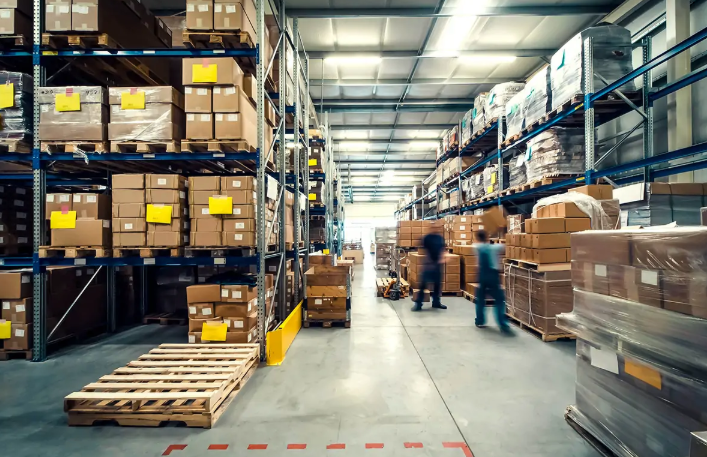
Industry 4.0 represents the fusion of physical production with advanced digital communication. Today, intralogistics serves as the backbone of this transformation. By networking warehouse systems and automating material flow, companies achieve unprecedented levels of efficiency. Modern logistics now demands speed, connectivity, and real-time data access. Consequently, digital information management is no longer optional for competitive industrial players.
Autonomous Material Flow and Integrated Systems
In the modern smart factory, manual retrieval of goods is becoming a relic of the past. Advanced IT and logistics systems now handle material transport with minimal human intervention. These systems utilize industrial automation to monitor stock levels in real-time. As a result, the software automatically triggers reorders or production requests when inventory runs low. This permanent transparency eliminates the need for disruptive annual physical inventories.
Decentralized Intelligence in Warehouse Robotics
Networked devices and autonomous mobile robots (AMRs) are redefining internal transport. Unlike traditional systems, these robots communicate with each other to determine the most efficient task allocation. For example, the vehicle closest to a load receives the assignment automatically. This decentralized approach removes the need for a rigid central control system. Consequently, plants reduce idle times and significantly improve overall equipment effectiveness (OEE).
Solving Labor Shortages Through Automated Storage
Automation addresses more than just speed; it tackles the growing global labor shortage. Automated Storage and Retrieval Systems (AS/RS) and robotic picking aids now handle repetitive, strenuous tasks. These technologies allow companies to maintain high output with fewer manual workers. However, implementing these "Intralogistics 4.0" solutions requires robust IT infrastructure. Operators must invest in high computing power and low-latency data lines to manage massive information streams.
Just-in-Time Production via Seamless Connectivity
Intralogistics acts as the critical bridge between the warehouse and the production line. Modern factory automation relies on the "pull principle." In this setup, production machines request raw materials only when necessary. Autonomous industrial trucks then deliver these parts just-in-time to the assembly station. This tight integration ensures a smooth material flow and minimizes expensive intermediate storage.
Author Insight: The Shift from Centralized to Distributed Control
From a technical perspective, the most significant shift is the move away from monolithic PLC structures. Traditional setups relied on a single master controller to dictate every movement. However, the future belongs to edge computing and decentralized logic. In my experience, companies that empower individual robots to make local decisions see much higher resilience. If one node fails, the rest of the swarm continues to function, ensuring the factory never stops.
The Future: From IoT Vision to Total Implementation
The transition to a fully realized smart factory is an ongoing journey. Many firms currently use advanced technology, but still rely on central software oversight. True Intralogistics 4.0 will arrive when every item and machine communicates via the Internet of Things (IoT). At that stage, the factory becomes a self-organizing organism. This evolution will mark the final step in the digital transformation of the industrial landscape.


