

Beyond Hardware: How the 2026 Wuhan Automation Expo Redefines System Intelligence
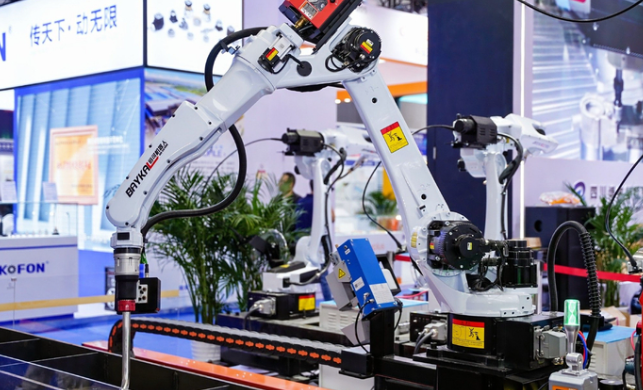
As industrial complexity reaches new heights, simple equipment upgrades no longer guarantee long-term efficiency or safety. The 2026 Wuhan International Smart Industrial Automation & Robotics Expo highlights a critical shift in the industry. The focus has moved from "faster machines" to "self-aware factories." This evolution marks the true starting point of advanced industrial automation.
Digital Twins: Moving Beyond Static Replication
A major highlight of the Wuhan Expo is the central role of Dynamic Digital Twin platforms. Traditionally, industrial sites struggled with fragmented data and delayed feedback. Digital twins solve this by restructuring raw data into continuous operational logic. Consequently, the virtual model becomes a living mirror of the physical plant, evolving through real-time data collection.
Transforming Operational Context with Dynamic Optimization
The expo demonstrates that digital twins now offer more than just monitoring; they provide "self-explaining" capabilities. Instead of treating deviations as isolated alarms, the system analyzes them within the full operational context. Therefore, optimization happens during live production rather than after the fact. This shift proves vital for high-risk sectors like oil, gas, and power generation.
Redefining Decision-Making via Real-Time Visualization
"Real-time visualization" at this event represents a complete restructuring of the decision-making path. By integrating deeply with control systems, the platform displays factory states in a traceable, continuous format. As a result, managers can intervene much earlier. Furthermore, personnel training has shifted from memorizing procedures to understanding complex system behaviors in real-time.
Adapting System Intelligence to Global Industry Realities
The expo treats digital twins as a present reality rather than a futuristic concept. These platforms now address specific pressures, such as renewable energy fluctuations and strict pharmaceutical compliance. Moreover, water treatment and food safety requirements are integrated directly into the software architecture. This cross-industry adaptability proves that factory automation is entering a mature, operational phase.
Assessing the Shift from Construction to Quality Operations
The 2026 Wuhan Expo sends a clear signal: industrial digitalization is moving from "phase one construction" to "stable operations." True intelligence now depends on a system's ability to support decisions and reduce risks over long periods. Industry leaders now demand higher operational quality, moving beyond the initial excitement of basic connectivity.
Author Insight: The Practical Turn in Automation
The most impressive aspect of the 2026 Wuhan Expo is its pragmatic approach. It avoids "hype" and focuses on the "unglamorous" but essential work of system reliability. In my view, the integration of PLC and DCS data into a unified digital twin is the most significant hurdle companies face today. Those who master this data fusion will lead the next decade of industrial growth.


