

A Schneider Electric bemutatja a szoftver által vezérelt automatizálást az ipari irányítórendszerek átalakítására
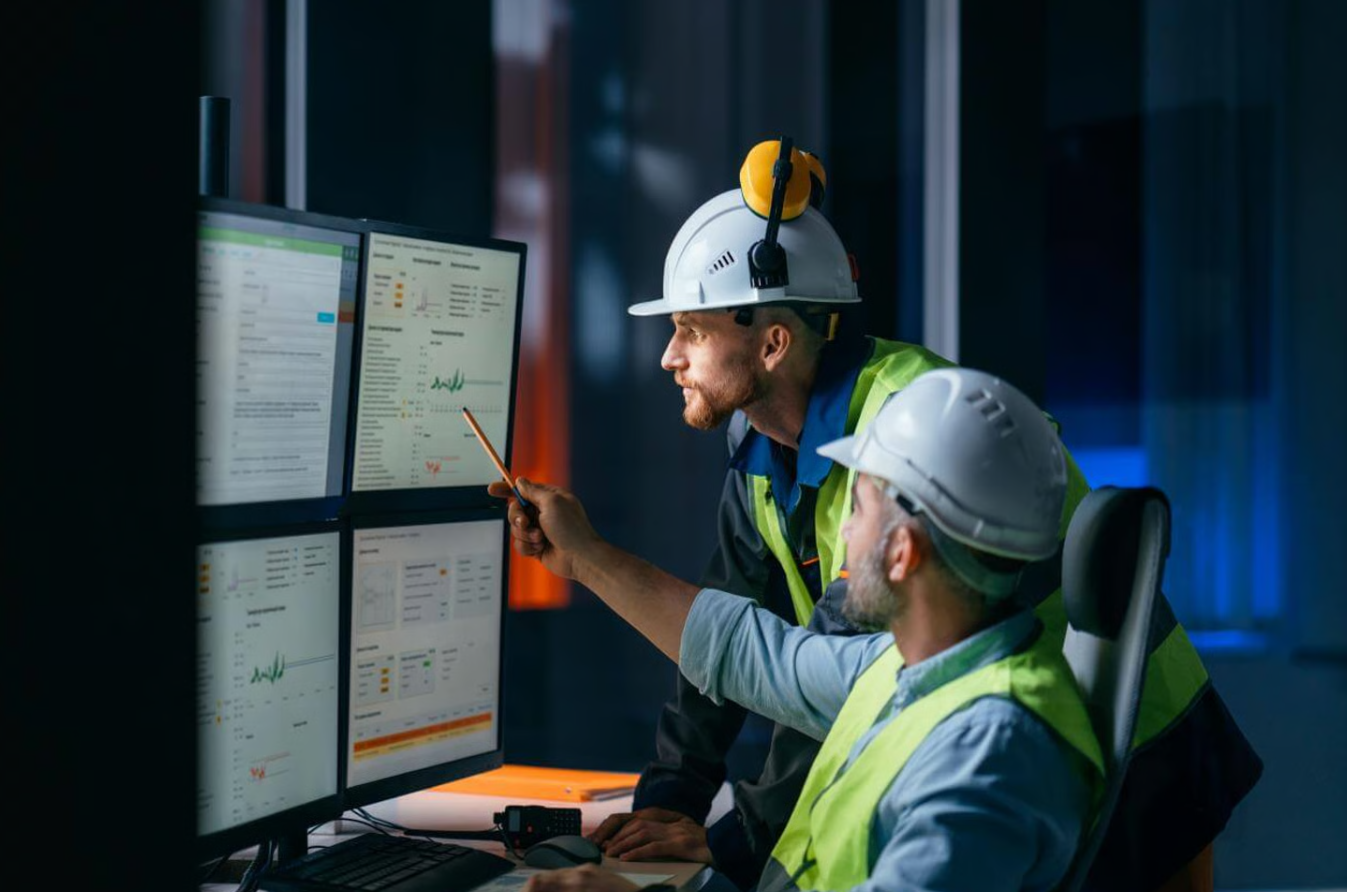
Az ipari tájkép alapvető átalakuláson megy keresztül a nyílt, rugalmas felépítések felé. A Schneider Electric nemrég bemutatta az EcoStruxure Foxboro Szoftveresen Meghatározott Automatizálás (SDA) rendszert. Ez a platform az iparág első szoftveresen meghatározott elosztott irányítási rendszere (DCS). Célja, hogy megtörje a zárt hardverek korlátait, új szintű mozgékonyságot kínálva a modern gyárak számára.
A hardver-szoftver holtpontjának feloldása az ipari automatizálásban
A hagyományos irányítási rendszerek gyakran közvetlenül egy adott hardverhez kötötték a szoftvert. Ez a kötöttség merev környezetet teremt, amelyet nehéz fejleszteni vagy bővíteni. Ezzel szemben a Foxboro SDA szétválasztja ezeket a rétegeket. Ez a különválasztás lehetővé teszi a mérnökök számára, hogy a szoftvert a fizikai infrastruktúrától függetlenül frissítsék. Ennek eredményeként a gyárak az egész életciklus alatt, a tervezéstől a hosszú távú karbantartásig megőrizhetik az adatok következetességét.
A zárt rendszerek súlyos anyagi terheinek csökkentése
A zárt rendszerek nemcsak a rugalmasságot korlátozzák; aktívan csökkentik a nyereségességet is. Egy nemrégiben készült tanulmány a Schneider Electric és az Omdia közreműködésével ezt a problémát emelte ki. Megállapították, hogy a zárt felépítések a közepes méretű vállalatok éves bevételének mintegy 7,5%-ába kerülnek. Ezek a veszteségek a tervezetlen leállásokból, a nem hatékony munkafolyamatokból és a költséges megfelelőségi átalakításokból erednek. A nyílt ipari automatizálási szabványok alkalmazásával a cégek mérsékelhetik ezeket a kockázatokat és visszaszerezhetik az elveszett hasznot.
Az IT és az OT összeolvadásának felgyorsítása nyílt szabványokon keresztül
A modern gyári automatizálás zökkenőmentes együttműködést igényel az informatikai (IT) és az üzemeltetési technológia (OT) között. A Foxboro SDA hidat képez e két terület között. Egyszerűsíti a fejlett elemzések és az élőszéli számítástechnika bevezetését a termelési területen. Így a gyártók saját tempójukban alkalmazhatják a következő generációs technológiákat, mint az mesterséges intelligencia és az önálló működés, anélkül, hogy az egész régi rendszert ki kellene cserélniük.
A mesterséges intelligencia és az energiaérzékenység kritikus összhangja
A davosi Világgazdasági Fórumon a Schneider Electric hangsúlyozta, hogy a mesterséges intelligencia nem létezhet hatalmas energiafogyasztás nélkül. Olivier Blum vezérigazgató megjegyezte, hogy az energiaérzékenység ma már alapfeltétele a digitális átalakulásnak. A Resource Advisor+ platformjuk mesterséges intelligencia vezérelt munkafolyamatokat használ, hogy a fenntarthatósági adatokat mérhető cselekvéssé alakítsa. Ahogy nő a mesterséges intelligencia terhelése, az energiahatékony kezelés képessége versenyelőnnyé válik bármely ipari vállalat számára.
Szerzői meglátás: Miért a szoftveresen meghatározott a jövője a PLC-nek és a DCS-nek
Véleményem szerint a „Szoftveresen Meghatározott” irányba történő elmozdulás a legjelentősebb trend a PLC feltalálása óta. Évtizedeken át a gyártók zárt ökoszisztémákba zárták az ügyfeleket. A Schneider Electric új lépése a „Univerzális Automatizálás” felé mutat. Az ipari logikát hordozható vagyontárgyként kezeli. Ez a változás hasonló ahhoz, ahogyan a felhőalapú számítástechnika forradalmasította az informatikát, páratlan bővíthetőséget hozva a gyártósorra.
A mesterséges intelligencia stratégiai alkalmazásai az ipari gáz- és energiaágazatban
A mesterséges intelligencia már nem divatszó; működő eszköz, amely öt konkrét területen hoz változást:
-
Előrejelző karbantartás: Csökkenti a leállásokat azáltal, hogy a hibákat még azok bekövetkezte előtt felismeri.
-
Folyamatoptimalizálás: Valós időben állítja a változókat a hozam maximalizálásáért.
-
Fokozott biztonság: Környezetfigyelés a környezetvédelmi előírások betartásáért.
-
Ellátási lánc logika: Az erőforrások jobb elosztása érdekében egyszerűsíti a szállítást.
-
Digitális ikrek: Virtuális másolatok létrehozása távoli megfigyeléshez és szimulációhoz.


