

ปลดปล่อยความเร็วและประสิทธิภาพ: ซีรีส์ Yokogawa FA-M3V
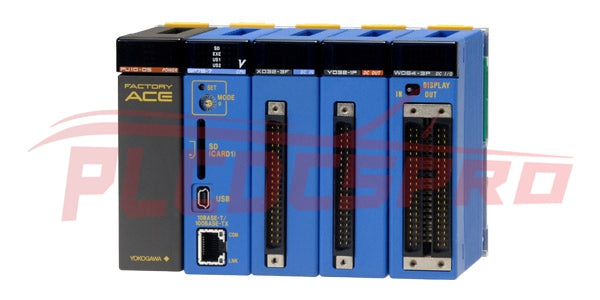
แนะนำซีรีส์ FA-M3V
โยโกกาว่าได้แสดงให้เห็นถึงความมุ่งมั่นในการนวัตกรรมในภาคอุตสาหกรรมอัตโนมัติอย่างต่อเนื่อง การเปิดตัวซีรีส์ FA-M3V ถือเป็นก้าวสำคัญในตัวควบคุมลอจิกแบบโปรแกรมได้ (PLC) โดยเฉพาะในด้านความเร็วและประสิทธิภาพ ชื่อ "FA-M3V" โดยที่ "V" หมายถึง "Vitesse" ซึ่งเป็นคำภาษาฝรั่งเศสที่แปลว่าความเร็ว ซีรีส์นี้สะท้อนถึงความมุ่งมั่นอย่างไม่หยุดยั้งในการประมวลผลความเร็วสูง ซีรีส์ FA-M3 มุ่งเน้นที่ความเร็วเป็นปัจจัยสำคัญในการแก้ไขปัญหาของลูกค้า และซีรีส์ FA-M3V ใหม่ได้ยกระดับภารกิจนี้ไปอีกขั้น
ความจำเป็นของความเร็ว
ในสภาพแวดล้อมอุตสาหกรรมที่เปลี่ยนแปลงอย่างรวดเร็วในปัจจุบัน ความเร็วกลายเป็นสิ่งที่สำคัญยิ่ง การประมวลผลความเร็วสูงช่วยให้การดำเนินงานมีประสิทธิภาพมากขึ้น ลดเวลาหน่วง และเพิ่มความตอบสนองโดยรวมของระบบ ซีรีส์ FA-M3V ถูกออกแบบมาเพื่อให้การควบคุมที่เสถียรด้วยความเร็วที่น่าทึ่ง เพื่อให้ลูกค้าสามารถเพิ่มประสิทธิภาพกระบวนการโดยไม่ลดทอนความน่าเชื่อถือ ความสามารถนี้มีความสำคัญอย่างยิ่งสำหรับอุตสาหกรรมที่พึ่งพาข้อมูลแบบเรียลไทม์และการตัดสินใจอย่างรวดเร็วเพื่อรักษาความสามารถในการแข่งขัน
แนวคิดการออกแบบ High-Speed IPRS
โยโกกาว่าได้ปรับปรุงแนวคิดการออกแบบ High-speed IPRS (Instruction, Processing, Response, and Scan) ด้วยซีรีส์ FA-M3V โดยการขยายปรัชญาการออกแบบนี้ FA-M3V สามารถทำความเร็วในการสแกน CPU ได้อย่างไม่มีใครเทียบ ทำให้เป็น PLC ที่เร็วที่สุดในอุตสาหกรรม ความเร็วที่ยอดเยี่ยมนี้เกิดจากการผสมผสานเทคโนโลยีหลักสองอย่าง ได้แก่ เครื่องยนต์ Vitesse และระบบประมวลผลคำสั่งแบบขนาน (PIPS) เทคโนโลยีเหล่านี้ช่วยให้ FA-M3V สามารถดำเนินงานที่ซับซ้อนได้อย่างรวดเร็ว เพื่อให้การดำเนินงานเป็นไปอย่างราบรื่นและมีประสิทธิภาพ
ประสิทธิภาพเครือข่ายที่เพิ่มขึ้น
ตัวควบคุม FA-M3V ไม่ได้เน้นเพียงความเร็วเท่านั้น แต่ยังเพิ่มประสิทธิภาพเครือข่ายอีกด้วย ด้วยฟังก์ชันลิงก์และความเสถียรที่ได้รับการปรับปรุง ตัวควบคุมสามารถสื่อสารได้อย่างราบรื่นกับอุปกรณ์และระบบต่าง ๆ ความสามารถนี้มีความสำคัญสำหรับแอปพลิเคชันอุตสาหกรรมสมัยใหม่ที่ต้องการให้ส่วนประกอบหลายส่วนทำงานร่วมกันอย่างกลมกลืน FA-M3V ช่วยให้ข้อมูลไหลเวียนอย่างมีประสิทธิภาพทั่วเครือข่าย ลดความล่าช้าและเพิ่มผลผลิตสูงสุด
ความหลากหลายและความน่าเชื่อถือ
แม้จะมีความเร็วที่น่าทึ่ง FA-M3V ก็ไม่ลดทอนความหลากหลายหรือความน่าเชื่อถือ การออกแบบแบบโมดูลาร์ช่วยให้สามารถขยายระบบได้ง่าย ทำให้ธุรกิจสามารถปรับระบบตามความต้องการที่เปลี่ยนแปลง ไม่ว่าจะเป็นการควบคุมสายการผลิตขนาดเล็กหรือการจัดการการดำเนินงานที่ซับซ้อนในสถานที่ขนาดใหญ่ ซีรีส์ FA-M3V ก็พร้อมรองรับการใช้งานที่หลากหลาย นอกจากนี้ ฟีเจอร์ความซ้ำซ้อนยังช่วยให้การดำเนินงานดำเนินต่อไปได้อย่างราบรื่น แม้ในกรณีที่เกิดความล้มเหลว
ทำไมต้องเลือก FA-M3V?
สำหรับธุรกิจที่มองหาเทคโนโลยีอัตโนมัติที่ดีที่สุด ซีรีส์ Yokogawa FA-M3V โดดเด่นด้วยการผสมผสานที่ทรงพลังของความเร็ว ความน่าเชื่อถือ และความยืดหยุ่น ทำให้เป็นตัวเลือกที่เหมาะสมสำหรับอุตสาหกรรมที่ต้องการประสิทธิภาพสูง FA-M3V มอบความได้เปรียบในการแข่งขัน ช่วยให้องค์กรตอบสนองต่อการเปลี่ยนแปลงของตลาดและความท้าทายในการดำเนินงานได้อย่างรวดเร็ว
สำรวจผลิตภัณฑ์ FA-M3V ของเรา
ที่ plcdcspro เราภูมิใจนำเสนอผลิตภัณฑ์ FA-M3V หลากหลายรุ่นที่ออกแบบมาเพื่อตอบสนองความต้องการด้านอัตโนมัติของคุณ คอลเลกชันของเราประกอบด้วยชิ้นส่วนคุณภาพสูงที่ออกแบบมาให้รวมเข้ากับระบบที่มีอยู่ของคุณได้อย่างราบรื่น การลงทุนในซีรีส์ Yokogawa FA-M3V ช่วยให้การดำเนินงานของคุณไม่เพียงแต่รวดเร็วขึ้น แต่ยังมีประสิทธิภาพและน่าเชื่อถือมากขึ้นด้วย
บทสรุป
โดยสรุป ซีรีส์ Yokogawa FA-M3V เป็นความก้าวหน้าที่สำคัญในเทคโนโลยีอุตสาหกรรมอัตโนมัติ การมุ่งเน้นที่ความเร็วและประสิทธิภาพตอบสนองความต้องการเร่งด่วนของอุตสาหกรรมสมัยใหม่ ด้วยการเลือก FA-M3V ธุรกิจสามารถยกระดับการดำเนินงาน ปรับปรุงความตอบสนอง และบรรลุความสำเร็จที่ยิ่งใหญ่ขึ้น อย่าพลาดโอกาสในการปฏิวัติกระบวนการอัตโนมัติของคุณ—สำรวจผลิตภัณฑ์ของเราวันนี้!


