

บทบาทสำคัญของตัวควบคุมอุตสาหกรรมในการทำงานอัตโนมัติ
บทนำสู่ตัวควบคุมอุตสาหกรรม
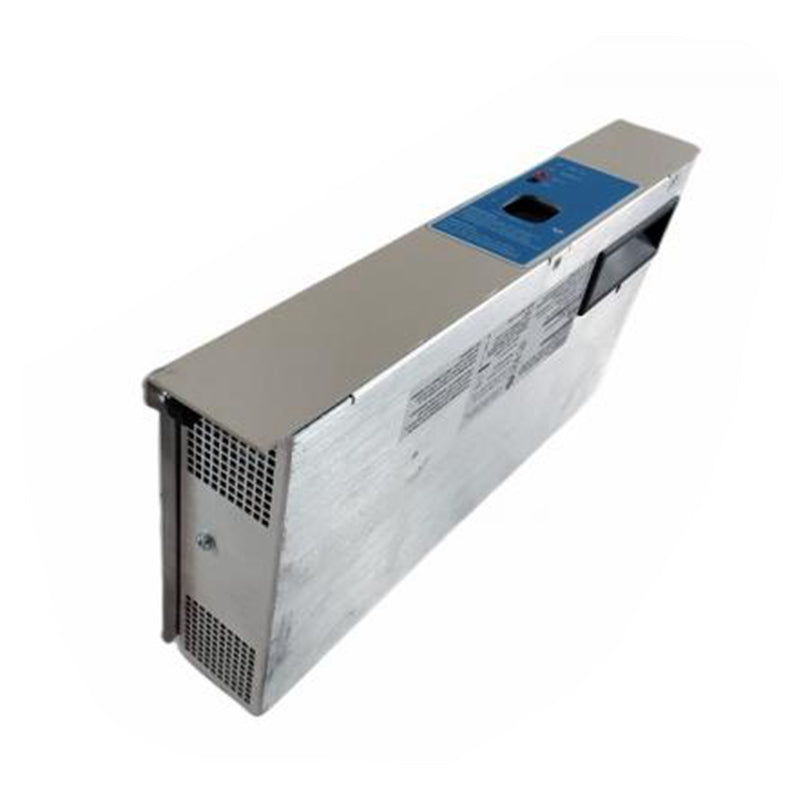
ตัวควบคุมอุตสาหกรรมมีบทบาทสำคัญในการจัดการการผลิตอัจฉริยะ อุปกรณ์เหล่านี้ช่วยให้บริษัทต่างๆ บรรลุการทำงานอัตโนมัติโดยการควบคุม ตรวจสอบ และบันทึกกระบวนการอุตสาหกรรมต่างๆ โดยใช้ตัวควบคุมลอจิกแบบโปรแกรมได้ (PLCs) เป็นส่วนประกอบหลัก ธุรกิจจึงสามารถจัดการการควบคุมอุปกรณ์และการเก็บข้อมูลได้อย่างมีประสิทธิภาพ
เพิ่มประสิทธิภาพการผลิต
ตัวควบคุมอุตสาหกรรมช่วยเพิ่มประสิทธิภาพการผลิตผ่านการเก็บและวิเคราะห์ข้อมูลอัตโนมัติ พวกเขาเชื่อมต่อขั้นตอนต่างๆ ของกระบวนการผลิต เพื่อให้การแลกเปลี่ยนข้อมูลเป็นไปอย่างราบรื่นและส่งข้อมูลแบบเรียลไทม์ ความสามารถนี้ไม่เพียงแต่ช่วยปรับปรุงการควบคุมดูแลเท่านั้น แต่ยังเสริมสร้างความสามารถในการตัดสินใจภายในองค์กรด้วย
เพิ่มประสิทธิภาพกระบวนการด้วยความแม่นยำ
นอกจากนี้ ตัวควบคุมอุตสาหกรรมยังสามารถเพิ่มประสิทธิภาพการออกแบบเวิร์กโฟลว์ โดยการตัดขั้นตอนที่ไม่จำเป็นออก พวกเขาช่วยให้การดำเนินงานเป็นไปอย่างราบรื่นและเพิ่มผลผลิต อัลกอริทึมเช่นตัวควบคุม PID ช่วยให้ควบคุมพารามิเตอร์ต่างๆ ได้อย่างแม่นยำ ซึ่งช่วยเพิ่มความเสถียรและความน่าเชื่อถือของกระบวนการ ส่งผลให้องค์กรสามารถผลิตสินค้าได้อย่างมีประสิทธิภาพและสม่ำเสมอมากขึ้น
การบูรณาการระบบการจัดการ
การบูรณาการระบบการจัดการการผลิตอัจฉริยะ เช่น MES, ERP, WMS และ QMS สร้างกรอบการดำเนินงานที่ครอบคลุม การจัดการแบบบูรณาการนี้ไม่เพียงแต่ช่วยปรับปรุงความสามารถในการจัดการคำสั่งซื้อเท่านั้น แต่ยังช่วยเพิ่มคุณภาพการจัดการอีกด้วย โดยลดต้นทุนแรงงานและลดข้อผิดพลาดจากมนุษย์ ระบบเหล่านี้จึงส่งเสริมสภาพแวดล้อมการผลิตที่มีประสิทธิภาพและน่าเชื่อถือมากขึ้น
การใช้ประโยชน์จากการวิเคราะห์ข้อมูลขั้นสูง
นอกจากนี้ ระบบการผลิตอัจฉริยะยังใช้การวิเคราะห์ข้อมูลและความสามารถในการทำนายที่ทรงพลัง การวิเคราะห์ขั้นสูงนี้ช่วยให้องค์กรสามารถตัดสินใจอย่างมีข้อมูลโดยอิงจากข้อมูลเรียลไทม์ ด้วยการลดความจำเป็นในการแทรกแซงด้วยมือ ธุรกิจจึงสามารถเพิ่มประสิทธิภาพการดำเนินงานและมุ่งเน้นงานในระดับที่สูงขึ้นได้
การเปลี่ยนแปลงสู่โรงงานอัจฉริยะ
การเปลี่ยนแปลงสู่โรงงานอัจฉริยะพึ่งพาเทคโนโลยีดิจิทัลและปัญญาประดิษฐ์อย่างมาก เทคโนโลยีเหล่านี้ช่วยให้การจัดการกระบวนการผลิตเป็นไปอย่างชาญฉลาด ซึ่งช่วยเพิ่มผลผลิตอย่างมีนัยสำคัญ การเปลี่ยนแปลงนี้ไม่เพียงแต่ทำลายข้อจำกัดของบริการไอทีแบบดั้งเดิมเท่านั้น แต่ยังขับเคลื่อนวิวัฒนาการอัจฉริยะของการผลิตอีกด้วย
บทสรุป
สรุปได้ว่า ตัวควบคุมอุตสาหกรรมมีส่วนสำคัญในการทำให้กระบวนการผลิตเป็นอัตโนมัติ ผ่านการใช้งานที่หลากหลาย เช่น การควบคุมอุปกรณ์ การวิเคราะห์ข้อมูล การเพิ่มประสิทธิภาพเวิร์กโฟลว์ การจัดการแบบบูรณาการ และการเปลี่ยนแปลงสู่ดิจิทัล พวกเขาช่วยให้องค์กรสามารถเพิ่มประสิทธิภาพการผลิตและการจัดการคุณภาพได้อย่างมีประสิทธิผล เมื่ออุตสาหกรรมยังคงยอมรับการทำงานอัตโนมัติ บทบาทของตัวควบคุมเหล่านี้จะยิ่งมีความสำคัญมากขึ้น และกลายเป็นเครื่องมือที่จำเป็นในการแสวงหาความเป็นเลิศในการดำเนินงาน


