

Siemens Redefines Industrial Automation with Autonomous AI Agents at Automate 2025
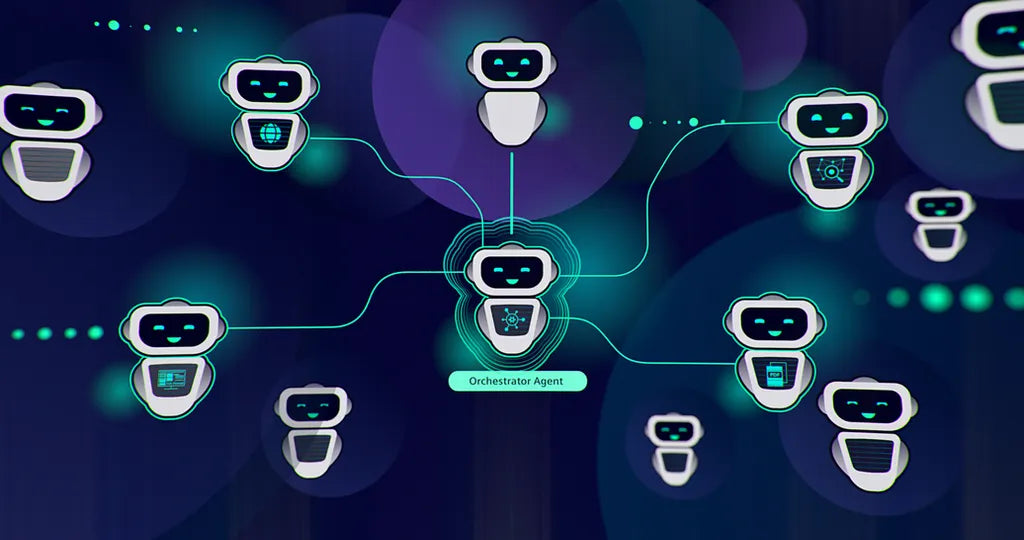
The industrial landscape is witnessing a pivotal shift from passive digital assistants to proactive autonomous systems. At Automate 2025 in Detroit, Siemens unveiled a significant expansion of its industrial automation portfolio. By integrating advanced AI agents into the Siemens Xcelerator ecosystem, the company aims to "automate automation." This transition promises to boost productivity by up to 50% for global manufacturers.
The Shift from Reactive Assistants to Autonomous AI Orchestrators
Traditional AI tools typically follow a request-response pattern. However, Siemens' new architecture introduces AI agents that proactively execute entire workflows. These agents do not just suggest code; they understand intent and navigate complex industrial processes independently. A central orchestrator manages these specialized agents, much like a master craftsman selecting the right tool for a specific task.
Seamless Integration Within the Siemens Xcelerator Ecosystem
Siemens distinguishes between the user-facing Industrial Copilot and the underlying AI agents. This multi-agent system connects digital agents with physical entities, such as mobile robots and automated guided vehicles (AGVs). Furthermore, the Siemens Xcelerator Marketplace will soon host a dedicated hub. This marketplace allows customers to access both proprietary Siemens agents and third-party solutions, ensuring high levels of interoperability across different control systems.
Streamlining Design and Planning with Generative AI
The Design Copilot for NX CAD is already transforming product development. Engineers can now use natural language to navigate massive datasets and balance complex technical trade-offs. Additionally, Siemens is developing a Hydrogen Configurator. This tool allows users to generate block flow diagrams and plant layouts automatically, significantly reducing the time required to engineer green energy infrastructure.
Empowering PLC and DCS Engineering Through Natural Language
The Engineering Copilot for TIA Portal represents a breakthrough for factory automation. It allows engineers to generate Structured Control Language (SCL) code using natural language inputs. By handling repetitive coding tasks, it minimizes human error and accelerates the commissioning of PLC systems. In process industries, the P&ID Digitalization service uses AI to convert legacy paper diagrams into actionable digital assets for DCS environments.
Revolutionizing Shop Floor Operations and Maintenance
By late 2025, Siemens plans to launch the Operations Copilot for shop floor workers. This tool enables technicians to query machine data directly to resolve errors. For maintenance teams, the Senseye-powered Services Copilot has already demonstrated a 25% reduction in reactive maintenance time. These tools bridge the skills gap by providing expert-level diagnostics to personnel without requiring deep specialized training.
Expert Insight: The Future of the Human-Machine Workforce
From an industry perspective, Siemens is not merely launching a product; they are addressing the chronic labor shortage in manufacturing. The move toward "automating automation" allows human workers to pivot from manual data entry and routine coding to high-level strategy and innovation. However, the success of this ecosystem will depend on how effectively third-party developers adopt the Xcelerator standards. If interoperability remains seamless, we are looking at a new standard for industrial automation efficiency.


