

Modernizing Industrial Control: How ABB Automation Extended Redefines DCS Flexibility
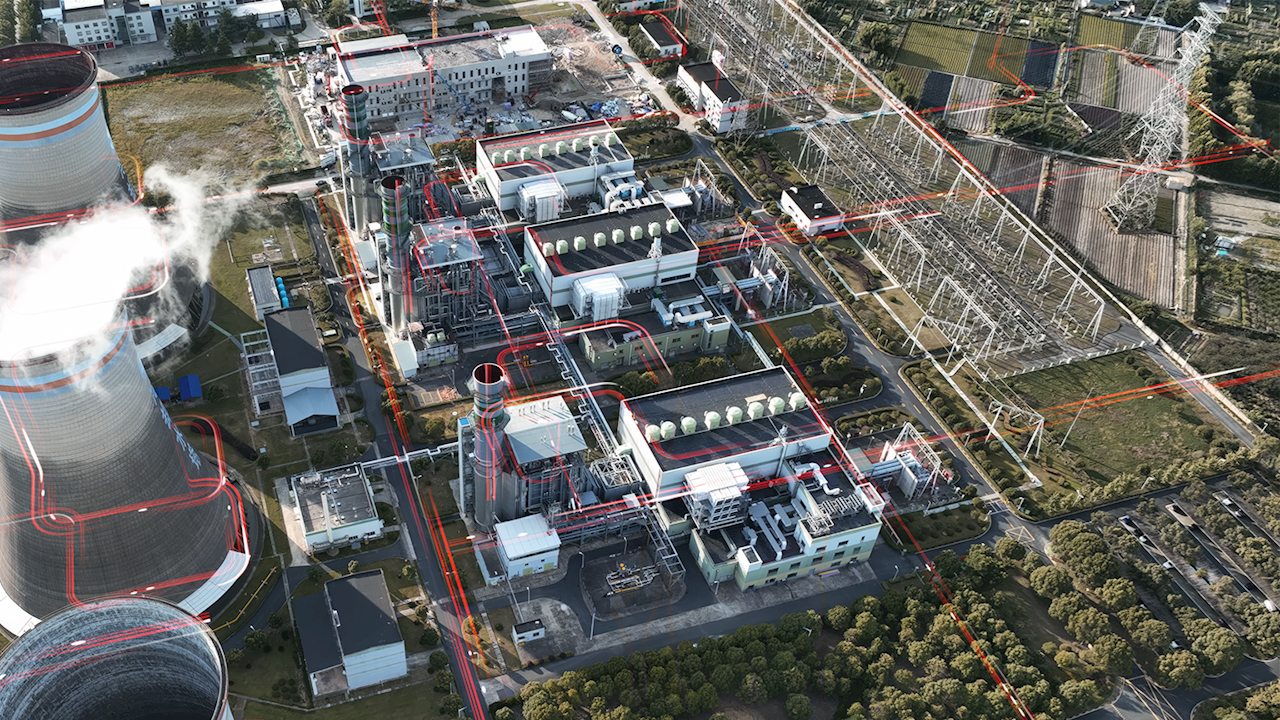
The process industries face a relentless drive toward digital transformation. Operators must balance the rigid stability of a Distributed Control System (DCS) with the agility of modern cloud-native technologies. ABB’s "Automation Extended" strategy addresses this tension directly. It moves away from monolithic, proprietary hardware toward an open, software-defined future. This approach aligns with major industry movements like Open Process Automation (OPA) and NAMUR, ensuring that factory automation remains competitive in a volatile global market.
Breaking the Cycle of Proprietary Vendor Lock-in
Traditionally, the industrial automation sector relied on closed ecosystems. This created significant "vendor lock-in," making modernization expensive and risky. ABB is now shifting this paradigm by embracing open standards like OPC UA, PA-DIM, and Ethernet APL. These protocols allow for seamless data exchange across different platforms. By decoupling the control logic from specific hardware, ABB enables users to deploy compute resources exactly where they are needed. This flexibility is essential for industries managing complex control systems in hazardous or remote environments.
The Separation of Concerns: Core Control vs. Digital Innovation
A cornerstone of the Automation Extended philosophy is the "separation of concerns." This architecture creates two distinct yet interconnected environments. The core control layer focuses exclusively on safe, reliable plant operations. Meanwhile, a separate digital environment handles advanced analytics and AI-driven optimization.
-
Core Control: Maintains high availability and deterministic performance for safety-critical tasks.
-
Digital Layer: Utilizes containerization to run third-party applications and digital twins.
This dual-layer strategy ensures that an update to an optimization algorithm never threatens the stability of the underlying PLC or DCS logic.
Containerization: The Engine of Modular Modernization
ABB leverages containerization to deliver new features without requiring a total system reboot. Instead of massive "big bang" upgrades, users can install "extension packs." These modular updates allow for the incremental adoption of HTML5 dashboards or virtualized execution engines. This "Innovation with Continuity" model is a game-changer for plant managers. It provides a safe "sandbox" where new industrial software can be tested and rolled out at a pace that matches the business’s risk tolerance.
Industry Collaboration through Margo and OPAF
No single provider can solve every automation challenge in today's interconnected world. ABB’s leadership in the Margo initiative and the Open Process Automation Forum (OPAF) signals a commitment to a collaborative ecosystem. By working with partners like Red Hat, ABB integrates world-class IT infrastructure into the OT (Operational Technology) space. This collaboration simplifies the integration of "best-in-class" tools from various vendors. Consequently, end-users gain a more versatile toolkit for solving specific operational hurdles.
A Strategic Dual-Track for Long-Term Reliability
Reliability remains the highest priority in process automation. ABB supports this through a dual-track lifecycle model. The Long-Term Support (LTS) version provides a stable foundation with essential security patches but no functional changes. Simultaneously, the containerized track offers the latest digital tools. This structure allows conservative industries—such as oil and gas or chemicals—to maintain their five-to-ten-year maintenance cycles while still experimenting with cutting-edge factory automation trends.


