

การติดตั้งและการใช้งานจอยสติ๊กควบคุมอุตสาหกรรมสมัยใหม่
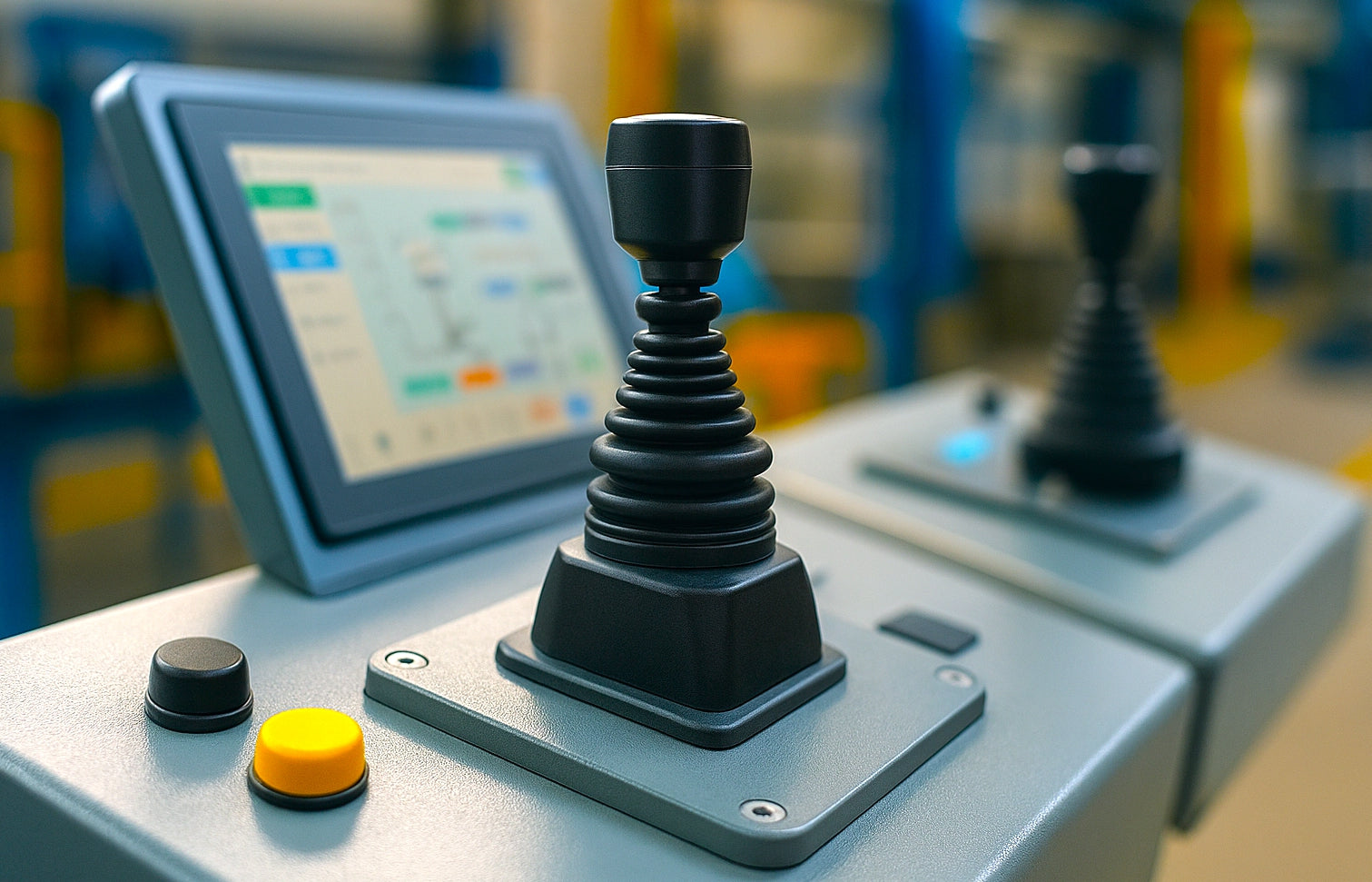
บทนำสู่การควบคุมจอยสติ๊กอุตสาหกรรม
จอยสติ๊กอุตสาหกรรมมีความสำคัญอย่างยิ่งในการควบคุมอุปกรณ์ในอุตสาหกรรมหนัก รวมถึงเครน ระบบจัดการวัสดุ และระบบอัตโนมัติในคลังสินค้า อุปกรณ์เหล่านี้มอบการควบคุมการเคลื่อนที่ของเครื่องจักรอย่างแม่นยำ ช่วยเพิ่มประสิทธิภาพและความปลอดภัย ในคู่มือนี้ เราจะสำรวจวิธีการใช้จอยสติ๊กอุตสาหกรรมสมัยใหม่และสิ่งที่ควรพิจารณาเมื่อเลือกใช้งาน
จอยสติ๊กอุตสาหกรรมคืออะไร?
จอยสติ๊กอุตสาหกรรมทำงานคล้ายกับคันเกียร์ของรถยนต์ แต่แทนที่จะควบคุมความเร็ว จะควบคุมทิศทางและการเคลื่อนที่ของอุปกรณ์ โดยการเลื่อนจอยสติ๊ก ผู้ปฏิบัติงานสามารถควบคุมการเคลื่อนที่ของเครื่องจักร เช่น เครน จอยสติ๊กให้วิธีการที่เข้าใจง่ายในการจัดการการเคลื่อนไหวที่ซับซ้อนในสภาพแวดล้อมอุตสาหกรรมที่ทนทาน
ประเภทของจอยสติ๊กอุตสาหกรรม
-
จอยสติ๊กดิจิทัล: ให้สัญญาณเปิด/ปิดแบบแยกส่วนสำหรับงานควบคุมที่ง่าย
-
จอยสติ๊กอนาล็อก: ให้ช่วงการเคลื่อนไหวต่อเนื่องเพื่อการควบคุมที่แม่นยำมากขึ้น
-
จอยสติ๊กฮอลล์เอฟเฟกต์: ใช้เซ็นเซอร์แม่เหล็กเพื่อการควบคุมที่นุ่มนวลและเชื่อถือได้มากขึ้น
-
จอยสติ๊กออปติคัล: ใช้เทคโนโลยีแสงในการตรวจจับการเคลื่อนไหว ช่วยลดการสึกหรอของชิ้นส่วนกลไก
จอยสติ๊กยังแตกต่างกันในวิธีการใช้งาน—ไม่ว่าจะจับด้วยมือ นิ้วหัวแม่มือ หรือปลายนิ้ว—และจำนวนแกนที่ควบคุม (แกนเดียวหรือหลายแกน)
วิธีเลือกจอยสติ๊กอุตสาหกรรมที่เหมาะสมกับการใช้งานของคุณ
เมื่อเลือกจอยสติ๊ก ต้องพิจารณาปัจจัยหลายประการ:
-
ความสามารถในการปรับแต่ง: จอยสติ๊กสมัยใหม่มักอนุญาตให้เพิ่มปุ่มหรือฟังก์ชันเพิ่มเติมได้ หากคุณคาดว่าจะมีการปรับเปลี่ยนในอนาคต ให้เลือกจอยสติ๊กที่สามารถปรับแต่งได้
-
ความทนทาน: ขึ้นอยู่กับสภาพแวดล้อมการทำงานของคุณ (เช่น อุณหภูมิสูง ฝุ่น หรือความชื้น) ให้แน่ใจว่าจอยสติ๊กถูกสร้างขึ้นเพื่อทนต่อสภาพที่รุนแรง
-
การออกแบบตามหลักสรีรศาสตร์: เลือกจอยสติ๊กตามวิธีการใช้งาน—โดยมือ นิ้ว หรือหัวแม่มือ การจับควรสบายและรองรับการใช้งานเป็นเวลานาน
-
การเชื่อมต่อทางไฟฟ้า: ตรวจสอบว่าจอยสติ๊กเข้ากันได้กับแรงดันไฟฟ้าของแผงควบคุมระบบของคุณ จอยสติ๊กสมัยใหม่อาจรวมถึงเอาต์พุตการสื่อสาร เช่น CANopen, Modbus RTU หรือ Ethernet เพื่อการรวมระบบที่ราบรื่น
-
การเคลื่อนไหวแกนเดียวหรือหลายแกน: ตามประเภทของการเคลื่อนไหวที่ต้องการ (เช่น แนวนอนหรือแนวตั้ง) ให้เลือกจอยสติ๊กที่ตรงกับความต้องการของคุณ
-
ความน่าเชื่อถือของผลิตภัณฑ์: ตรวจสอบรีวิวและปรึกษาผู้จำหน่ายเกี่ยวกับปัญหาที่อาจเกิดขึ้น เช่น การสึกหรอ การเคลื่อนไหวผิดปกติ หรือปัญหาการปรับเทียบ
การบำรุงรักษาและแก้ไขปัญหาจอยสติ๊กอุตสาหกรรม
แม้ว่าจอยสติ๊กอุตสาหกรรมจะมีความทนทาน แต่ก็อาจเผชิญกับปัญหา เช่น การสึกหรอของชิ้นส่วนกลไก การไม่ตอบสนอง หรือปัญหาการปรับเทียบ การตรวจสอบและบำรุงรักษาอย่างสม่ำเสมอเป็นกุญแจสำคัญในการรับประกันอายุการใช้งานและประสิทธิภาพ ควรตรวจสอบจอยสติ๊กเพื่อหาสัญญาณการสึกหรอและทำการตรวจสอบการปรับเทียบเพื่อให้การทำงานราบรื่น
บทสรุป
จอยสติ๊กอุตสาหกรรมสมัยใหม่เป็นสิ่งจำเป็นสำหรับการควบคุมเครื่องจักรหนักและปรับปรุงการจัดการวัสดุ ด้วยความเข้าใจประเภทต่าง ๆ ของจอยสติ๊กและการเลือกใช้งานที่เหมาะสม คุณสามารถเพิ่มประสิทธิภาพการผลิตและลดความเสี่ยงในการดำเนินงานในสถานประกอบการของคุณ


