

ความก้าวหน้าในการควบคุมอุตสาหกรรม: การพัฒนาหน่วยป้อนข้อมูลดิจิทัลสำหรับ PLC และ DCS
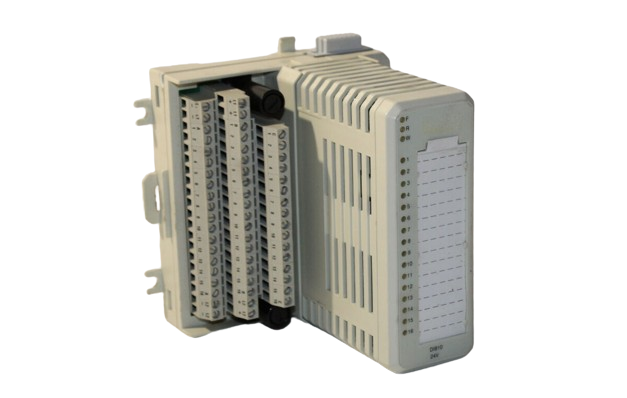
โมดูล I/O เป็นพื้นฐานของระบบควบคุมอุตสาหกรรม รวมถึง PLC (Programmable Logic Controllers), PAC (Programmable Automation Controllers) และ DCS (Distributed Control Systems) โมดูลอินพุตดิจิทัลมีบทบาทสำคัญในการจับและแปลสัญญาณจากเซ็นเซอร์ต่างๆ เช่น สวิตช์ตรวจจับระยะ, สวิตช์จำกัด และปุ่มกด โมดูลเหล่านี้มักรองรับอินพุตตั้งแต่ 0 ถึง 24 โวลต์ โดยมีความทนทานสูงสุดถึง 30 โวลต์

ABB 3BSE008508R1 DI810 อินพุตดิจิทัล 24V 16 ช่อง
สายสัญญาณ
เซ็นเซอร์ DC มักส่งสัญญาณแรงดันสูงกว่า จึงจำเป็นต้องแยกด้วย opto-coupler ก่อนการเรียงลำดับใน shift register หรืออีกทางเลือกหนึ่งคือ digital input serializer ที่รวบรวมอินพุต ช่วยเพิ่มความหนาแน่นของช่องสัญญาณและมีฟีเจอร์เช่น การปรับขีดจำกัดกระแสและเวลาป้องกันดีบาวน์ที่ตั้งโปรแกรมได้ บางรุ่นรวมการวัดอุณหภูมิและการควบคุมแรงดันไฟฟ้า
โปรเซสเซอร์
แพลตฟอร์มการพัฒนา เครื่องมือซอฟต์แวร์ และการสนับสนุนช่วยเร่งเวลาเข้าสู่ตลาด ตัวเลือกการเชื่อมต่อรวมถึงอีเธอร์เน็ต, UART และพอร์ต SPI ช่วยให้บูรณาการกับเครือข่ายองค์กรได้ PLC ที่มีราคาประหยัดพร้อมดิจิทัล I/O จำนวนมากและฟังก์ชันในตัว เช่น การวินิจฉัยข้อผิดพลาดและการทำงานพลังงานต่ำเป็นเรื่องปกติ สำหรับแอปพลิเคชันขั้นสูงที่ต้องการอัตราลูปสูงและอัลกอริทึมควบคุมที่ซับซ้อน MPU ประสิทธิภาพสูงจึงจำเป็น
อินเทอร์เฟซ
ตัวเลือกบัสสนามแบบอนุกรม (RS-485, DeviceNet, Profibus, CAN) และแบบอีเธอร์เน็ต รองรับความต้องการอุตสาหกรรมที่หลากหลาย การเพิ่มระยะสายและการวินิจฉัยช่วยในการแก้ไขปัญหา การแยกสัญญาณดิจิทัลในตัวทรานซีฟเวอร์อินเทอร์เฟซช่วยประหยัดพื้นที่และเพิ่มความทนทาน Opto-coupler หรือ TI isolator ใช้แยกอินเทอร์เฟซอินพุตแบบดิจิทัล
ไมโครคอนโทรลเลอร์
Hercules™ Safety MCU ที่ใช้ ARM Cortex-R4F ได้รับการรับรองให้ใช้ในระบบที่ปฏิบัติตามมาตรฐานความปลอดภัย IEC61508 SIL-3 MCU เหล่านี้มีหน่วยประมวลผลทศนิยมแบบลอยตัวในตัว, ADC 12 บิต, PWM สำหรับควบคุมมอเตอร์โดยเฉพาะ และอินพุตตัวเข้ารหัสผ่าน HET Timer co-processor
พลังงาน
เพื่อป้องกันการเกิด transient และ ground loop การแยกทางไฟฟ้าระหว่างฝั่งสนามและฝั่งควบคุมจึงมีความสำคัญ การออกแบบอาจรวมถึงตัวแปลง DC-DC ที่ใช้ส่วนประกอบแยกหรือโมดูลแยกที่สร้างไว้ล่วงหน้า การพิจารณารวมถึงประสิทธิภาพ การบูรณาการ และความกะทัดรัด โดยตัวแปลงที่มีช่วงอินพุตกว้างจะช่วยป้องกัน transient ของแหล่งจ่ายไฟได้อย่างมีประสิทธิภาพ


