

Modernizando o Controle Industrial: Como a ABB Automation Extended Redefine a Flexibilidade dos DCS
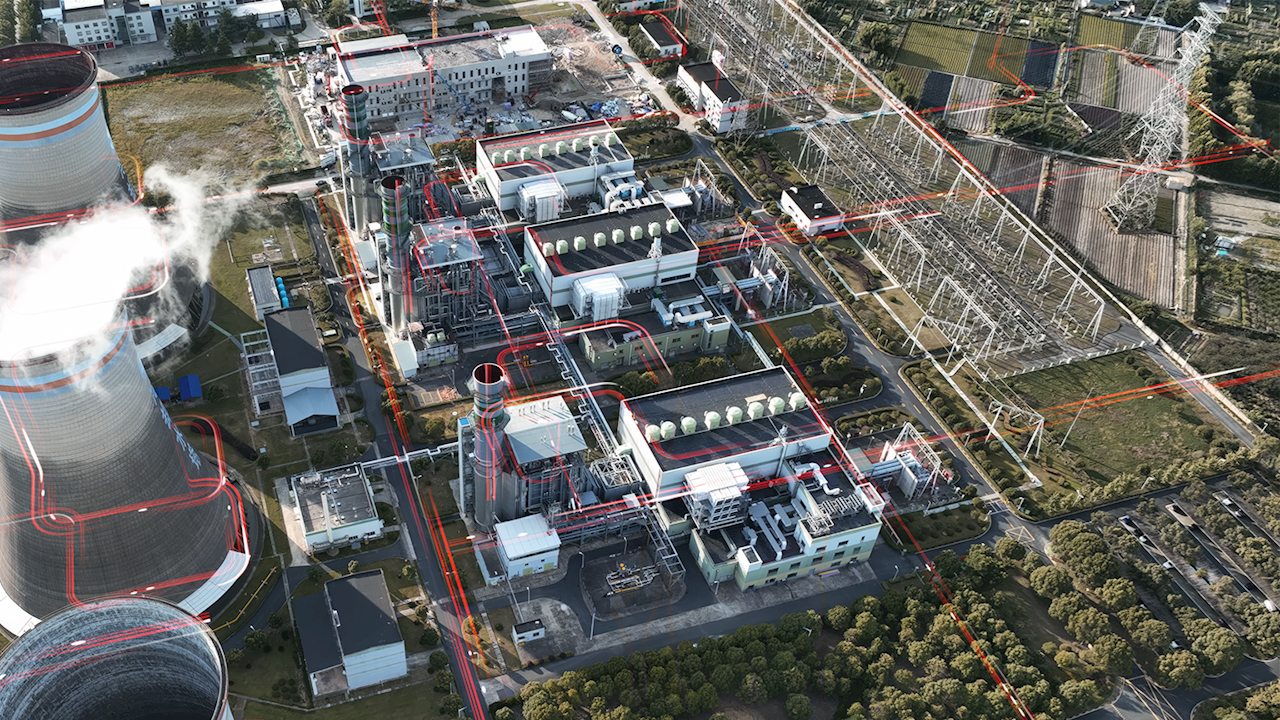
As indústrias de processos enfrentam uma pressão constante pela transformação digital. Os operadores precisam equilibrar a estabilidade rígida de um Sistema de Controle Distribuído (DCS) com a agilidade das tecnologias modernas nativas da nuvem. A estratégia "Automation Extended" da ABB aborda essa tensão diretamente. Ela se afasta do hardware monolítico e proprietário em direção a um futuro aberto e definido por software. Essa abordagem está alinhada com movimentos importantes da indústria, como Open Process Automation (OPA) e NAMUR, garantindo que a automação industrial permaneça competitiva em um mercado global volátil.
Quebrando o Ciclo do Aprisionamento Proprietário do Fornecedor
Tradicionalmente, o setor de automação industrial dependia de ecossistemas fechados. Isso criou um significativo "aprisionamento do fornecedor", tornando a modernização cara e arriscada. Agora, a ABB está mudando esse paradigma ao adotar padrões abertos como OPC UA, PA-DIM e Ethernet APL. Esses protocolos permitem a troca de dados fluida entre diferentes plataformas. Ao desacoplar a lógica de controle do hardware específico, a ABB possibilita que os usuários implantem recursos computacionais exatamente onde são necessários. Essa flexibilidade é essencial para indústrias que gerenciam sistemas de controle complexos em ambientes perigosos ou remotos.
A Separação de Responsabilidades: Controle Central vs. Inovação Digital
Um pilar da filosofia Automation Extended é a "separação de responsabilidades". Essa arquitetura cria dois ambientes distintos, porém interconectados. A camada de controle central foca exclusivamente em operações seguras e confiáveis da planta. Enquanto isso, um ambiente digital separado lida com análises avançadas e otimização orientada por IA.
-
Controle Central: Mantém alta disponibilidade e desempenho determinístico para tarefas críticas de segurança.
-
Camada Digital: Utiliza containerização para executar aplicações de terceiros e gêmeos digitais.
Essa estratégia de duas camadas garante que uma atualização em um algoritmo de otimização nunca comprometa a estabilidade da lógica subjacente do PLC ou do DCS.
Containerização: O Motor da Modernização Modular
A ABB utiliza containerização para entregar novos recursos sem a necessidade de reinicialização total do sistema. Em vez de atualizações massivas do tipo "big bang", os usuários podem instalar "pacotes de extensão". Essas atualizações modulares permitem a adoção incremental de painéis HTML5 ou motores de execução virtualizados. Esse modelo de "Inovação com Continuidade" é revolucionário para os gerentes de planta. Ele oferece um "sandbox" seguro onde novos softwares industriais podem ser testados e implementados em um ritmo que corresponde à tolerância ao risco do negócio.
Colaboração Industrial por meio do Margo e OPAF
Nenhum fornecedor único pode resolver todos os desafios de automação no mundo interconectado de hoje. A liderança da ABB na iniciativa Margo e no Open Process Automation Forum (OPAF) sinaliza um compromisso com um ecossistema colaborativo. Ao trabalhar com parceiros como a Red Hat, a ABB integra infraestrutura de TI de classe mundial no espaço de OT (Tecnologia Operacional). Essa colaboração simplifica a integração das melhores ferramentas de diversos fornecedores. Consequentemente, os usuários finais ganham um conjunto de ferramentas mais versátil para resolver obstáculos operacionais específicos.
Uma Estratégia de Dupla Trilha para Confiabilidade a Longo Prazo
A confiabilidade continua sendo a maior prioridade na automação de processos. A ABB apoia isso por meio de um modelo de ciclo de vida de dupla trilha. A versão Long-Term Support (LTS) oferece uma base estável com patches essenciais de segurança, mas sem mudanças funcionais. Simultaneamente, a trilha containerizada oferece as ferramentas digitais mais recentes. Essa estrutura permite que indústrias conservadoras — como petróleo e gás ou químicas — mantenham seus ciclos de manutenção de cinco a dez anos, enquanto ainda experimentam as tendências mais avançadas em automação industrial .


