

التحكم في الحركة المدعوم بالذكاء الاصطناعي: تحويل الدقة والمرونة في المصانع الحديثة
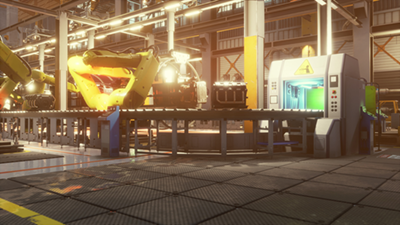
تُعرّف التصنيع عالي التنوع والتغييرات السريعة في المنتجات مشهد الإنتاج الحديث. للحفاظ على الوتيرة، يجب أن تتجاوز الأتمتة الصناعية الأُطُر الصارمة والقديمة. بينما تتفوق أنظمة الحركة التقليدية في البيئات الثابتة، غالبًا ما تواجه صعوبات مع المتغيرات الواقعية مثل التآكل الميكانيكي أو تقلبات درجة الحرارة. من خلال دمج الذكاء الاصطناعي (AI) مع الحركيات، يمكن للمصنعين إنشاء أنظمة تكيفية تتعلم وتحسن الأداء في الوقت الحقيقي. هذا التطور يضمن أن تظل أتمتة المصانع مرنة ودقيقة وفعالة للغاية.
التجاوز عن أنظمة التحكم الحتمية
تعتمد أنظمة التحكم القديمة عادةً على قواعد ثابتة ومعايير محددة مسبقًا. تعمل هذه الأنظمة بشكل جيد للمهام المتكررة ذات التغيرات المنخفضة. ومع ذلك، تفتقر إلى المرونة للتعامل مع التغيرات غير المتوقعة في سرعة الخط أو التغيرات في الإنتاج السابق. بالمقابل، يستخدم التحكم في الحركة المعزز بالذكاء الاصطناعي التعلم الآلي لبناء وعي سياقي. هذا يسمح للنظام بضبط مخرجات PLC وملفات تعريف المحركات بشكل ديناميكي. ونتيجة لذلك، يحافظ المصنع على الأداء الأمثل حتى مع تقدم عمر المكونات المادية أو تغير الظروف البيئية.
كيف يحسن التعلم الآلي الحركيات
لا يحل الذكاء الاصطناعي محل طرق التحكم الكلاسيكية مثل حلقات PID أو ملفات التعريف التنبؤية. بل يعززها بالتكيف المستند إلى البيانات. يشير خبراء من شركات رائدة مثل سيمنس إلى أن الذكاء الاصطناعي يراقب باستمرار الاحتكاك والحمل وتآكل الأدوات. من خلال تحليل هذه العوامل، يقوم النظام بتحسين ملفات الحركة أثناء التشغيل. وهذا يؤدي إلى تحكم أدق في المسار وتقليل استهلاك الطاقة. علاوة على ذلك، يسمح الكشف الفوري عن الشذوذ للنظام بتحديد الأعطال المحتملة قبل أن تتسبب في توقف مكلف للخط.
تطبيقات عملية في الروبوتات والرعاية الصحية
يمتد تأثير الحركة المعززة بالذكاء الاصطناعي عبر قطاعات متنوعة. في مصانع السيارات، يساعد الذكاء الاصطناعي الروبوتات في اللحام والطلاء بدقة فائقة. بالنسبة لعمليات الالتقاط والوضع، تتعامل أتمتة المصانع المتقدمة مع الأشكال المعقدة التي قد تربك الحساسات التقليدية. خارج أرض المصنع، تعمل هذه التقنية على استقرار أنظمة التحكم في الطائرات وتحسين الروبوتات الجراحية من خلال تقليل الاهتزاز. لذلك، أصبحت الحركيات المعززة بالذكاء الاصطناعي معيارًا عبر الصناعات لأي تطبيق يتطلب دقة وسرعة عالية مع ضمان السلامة.
تعزيز السلامة من خلال التعاون بين الإنسان والروبوت
تظل السلامة أولوية قصوى في أي نشر لـ الأتمتة الصناعية. يتيح الذكاء الاصطناعي جيلًا جديدًا من "الروبوتات التعاونية" التي يمكنها العمل بأمان جنبًا إلى جنب مع المشغلين البشر. تستخدم هذه الآلات رؤية الذكاء الاصطناعي للتنبؤ بحركة الإنسان وتعديل مسارها في الوقت الحقيقي. إذا مد العامل يده إلى منطقة العمل، قد يبطئ الروبوت أو يتوقف فورًا. هذا النهج الاستباقي للسلامة يلغي الحاجة إلى الحواجز الفيزيائية الصارمة، مما يخلق بيئة عمل أكثر مرونة وتعاونًا في المصنع.
قياس العائد على الاستثمار وتجاوز تحديات التنفيذ
يتطلب حساب العائد على الاستثمار (ROI) لأنظمة الذكاء الاصطناعي نظرة شاملة على بيانات التشغيل. غالبًا ما تتجاهل المقاييس القياسية التوفير "الناعم" الناتج عن تجنب التوقفات أو تقليل الإجهاد الميكانيكي. ومع ذلك، تظهر قصص النجاح من كبار مصنعي المعدات الأصلية زيادات في الإنتاجية تزيد عن 30% من خلال وحدات التحكم المدربة باستخدام التوأم الرقمي. لتحقيق هذه النتائج، يجب على الشركات إعطاء الأولوية لبيانات الحساسات عالية الدقة والحوسبة الطرفية منخفضة الكمون. فريق متعدد التخصصات من مهندسي تكنولوجيا المعلومات والأتمتة ضروري لمواءمة قدرات الذكاء الاصطناعي مع أهداف الإنتاج الواقعية.
رؤية المؤلف: التحول الاستراتيجي نحو الذكاء الطرفي
في تحليلي، البطل الحقيقي لهذا التحول التكنولوجي هو الحوسبة الطرفية. نقل معالجة الذكاء الاصطناعي أقرب إلى أجهزة التحكم في الحركة يقلل الكمون إلى مستويات قريبة من الصفر. هذا أمر حاسم لأن تأخير مللي ثانية في خط تجميع عالي السرعة قد يؤدي إلى تصادم. بينما يتطلب الإعداد الأولي لنظام مدفوع بالذكاء الاصطناعي تنسيق بيانات أكثر من إعداد PLC التقليدي، فإن التقليل طويل الأمد من "الضبط اليدوي" يوفر مئات الساعات الهندسية على مدى عمر الماكينة.


