

ปลดล็อกประสิทธิภาพ: วิธีที่ระบบอัตโนมัติด้วยหุ่นยนต์เปลี่ยนแปลงอุตสาหกรรม
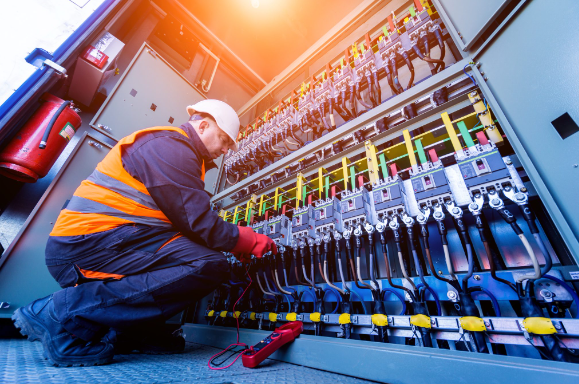
พลังของระบบอัตโนมัติด้วยหุ่นยนต์ในอุตสาหกรรมสมัยใหม่
ระบบอัตโนมัติกำลังเปลี่ยนอุตสาหกรรม ทำให้กระบวนการต่าง ๆ เร็วขึ้น มีประสิทธิภาพมากขึ้น และลดข้อผิดพลาด หนึ่งในเทคโนโลยีระบบอัตโนมัติที่มีผลกระทบมากที่สุดในปัจจุบันคือ Robotic Process Automation (RPA) ธุรกิจที่จัดการงานซ้ำ ๆ สามารถได้รับประโยชน์อย่างมากจากเทคโนโลยีนี้ โดยช่วยเพิ่มผลผลิตและลดต้นทุนการดำเนินงาน การเข้าใจว่า RPA ทำงานอย่างไรและสามารถนำไปใช้ที่ไหนได้บ้างเป็นสิ่งสำคัญสำหรับบริษัทใด ๆ ที่ต้องการก้าวนำในยุคดิจิทัล
Robotic Process Automation (RPA) คืออะไร?
RPA เป็นเทคนิคระบบอัตโนมัติที่ใช้ซอฟต์แวร์ซึ่งใช้ บอท เพื่อทำงานคอมพิวเตอร์ที่ซ้ำซากต่าง ๆ แทนที่จะเป็นหุ่นยนต์ทางกายภาพ บอทเหล่านี้อยู่ภายในแอปพลิเคชันซอฟต์แวร์ เลียนแบบการกระทำของมนุษย์ เช่น การคลิก การพิมพ์ และการนำทางระบบดิจิทัล แทนที่จะพึ่งพาการป้อนข้อมูลด้วยมือหรือการคำนวณซ้ำ ๆ RPA ช่วยให้ธุรกิจสามารถทำงานเหล่านี้โดยอัตโนมัติได้อย่างมีประสิทธิภาพ
บอทเหล่านี้ทำตามคำสั่งที่กำหนดไว้ล่วงหน้า ดำเนินงานตามที่โปรแกรมไว้เป๊ะ ๆ แตกต่างจาก ปัญญาประดิษฐ์ (AI) ที่เรียนรู้จากรูปแบบและปรับตัวได้ RPA จะทำตามกฎที่ตั้งโปรแกรมไว้เท่านั้น อย่างไรก็ตาม RPA สามารถรวมเข้ากับ AI เพื่อให้มีความสามารถในการตัดสินใจและระบบอัตโนมัติที่ซับซ้อนมากขึ้น
RPA ทำงานอย่างไร?
การนำ RPA ไปใช้มีขั้นตอนสำคัญสี่ขั้นตอน:
- การเข้าใจงาน – นักพัฒนาวิเคราะห์กระบวนการทางธุรกิจและระบุงานซ้ำที่เหมาะสมสำหรับการทำระบบอัตโนมัติ
- การออกแบบบอท – โปรแกรมเมอร์สร้างสคริปต์ที่สั่งบอทให้ทำงานตามพฤติกรรมของผู้ใช้
- การทดสอบระบบอัตโนมัติ – บอทผ่านการทดสอบหลายครั้งเพื่อให้แน่ใจว่าทำงานถูกต้อง
- การบำรุงรักษาและสนับสนุน – การอัปเดตและแก้ไขปัญหาอย่างสม่ำเสมอช่วยให้บอททำงานได้อย่างมีประสิทธิภาพ
ข้อผิดพลาดใด ๆ ในขั้นตอนเหล่านี้อาจทำให้ระบบล้มเหลว ดังนั้นการวางแผนและดำเนินการอย่างรอบคอบจึงเป็นสิ่งสำคัญสำหรับความสำเร็จของระบบอัตโนมัติ
ข้อดีของ RPA ในระบบอัตโนมัติอุตสาหกรรม
อุตสาหกรรมที่พึ่งพาการประมวลผลข้อมูลปริมาณมาก เช่น การผลิต การเงิน และโลจิสติกส์ ได้รับประโยชน์อย่างมากจาก RPA ข้อดีหลัก ๆ ได้แก่:
- เพิ่มประสิทธิภาพ – บอททำงานได้เร็วกว่ามนุษย์มาก ช่วยเพิ่มผลผลิตโดยรวม
- ลดข้อผิดพลาด – ระบบอัตโนมัติช่วยขจัดความผิดพลาดของมนุษย์ ทำให้ข้อมูลถูกต้องและเป็นไปตามข้อกำหนด
- ประหยัดต้นทุน – ธุรกิจประหยัดเงินโดยลดความจำเป็นในการใช้แรงงานคนในงานซ้ำ ๆ
- ขยายขนาดได้ – บริษัทสามารถใช้บอทหลายตัวเพื่อจัดการงานที่เพิ่มขึ้นโดยไม่ต้องจ้างพนักงานเพิ่ม
- ปฏิบัติตามกฎระเบียบ – กระบวนการอัตโนมัติทำตามกฎที่กำหนดไว้ล่วงหน้า ลดความเสี่ยงของการไม่ปฏิบัติตามข้อกำหนด
โดยการผสาน RPA เข้ากับกระบวนการทำงาน ธุรกิจสามารถมุ่งเน้นที่ งานที่มีมูลค่าสูง แทนงานซ้ำซากด้วยมือ
การประยุกต์ใช้ RPA ในอุตสาหกรรมต่าง ๆ
หลายอุตสาหกรรมได้นำ RPA มาใช้เพื่อปรับปรุงการดำเนินงาน การประยุกต์ใช้หลัก ๆ ได้แก่:
- ธนาคารและการเงิน – ระบบอัตโนมัติในการจัดการบัญชี การประมวลผลธุรกรรม และการตรวจจับการฉ้อโกง
- บริการลูกค้า – การจัดการแชทบอท ระบบตั๋ว และการตอบคำถามลูกค้า
- ค้าปลีกและอีคอมเมิร์ซ – การจัดการสินค้าคงคลัง การประมวลผลคำสั่งซื้อ และการอัปเดตฐานข้อมูลสินค้า
- ประกันภัย – ระบบอัตโนมัติในการประมวลผลเคลมและการต่ออายุกรมธรรม์
- การผลิต – การตรวจสอบห่วงโซ่อุปทานและระบบอัตโนมัติในการตรวจสอบคุณภาพ
ตัวอย่างเช่น ยูทูบเบอร์ ที่อัปโหลดวิดีโอหลายรายการต่อวันสามารถใช้ RPA เพื่อกำหนดเวลาการเผยแพร่วิดีโอโดยอัตโนมัติ ช่วยประหยัดเวลาและรับประกันความสม่ำเสมอในการส่งมอบเนื้อหา
ทำไมธุรกิจควรลงทุนใน RPA
ด้วยการแข่งขันที่เพิ่มขึ้น ธุรกิจต้อง ปรับปรุงกระบวนการทำงาน เพื่อรักษาความสามารถในการแข่งขัน RPA เป็นทางออกที่ทรงพลังสำหรับบริษัทที่ต้องการเพิ่มประสิทธิภาพในขณะที่ลดต้นทุน โดยการทำงานซ้ำ ๆ ด้วยระบบอัตโนมัติ ธุรกิจสามารถนำทรัพยากรมนุษย์ไปใช้กับงานที่มีความคิดสร้างสรรค์และเชิงกลยุทธ์มากขึ้น
ที่ PlcDcsPro เรามีโซลูชัน ระบบอัตโนมัติและไฟฟ้า หลากหลายเพื่อช่วยธุรกิจนำเทคโนโลยีขั้นสูงอย่าง RPA ไปใช้ ไม่ว่าคุณจะต้องการ อุปกรณ์ระบบอัตโนมัติอุตสาหกรรม หรือคำแนะนำจากผู้เชี่ยวชาญ เรามีโซลูชันที่เชื่อถือได้เพื่อเพิ่มประสิทธิภาพการดำเนินงานของคุณ
การลงทุนใน RPA ไม่ใช่แค่เทรนด์ แต่เป็นความจำเป็นสำหรับธุรกิจที่ต้องการ เติบโตในอนาคตดิจิทัล


