

ทำความเข้าใจพลังที่แท้จริงของ RAID ในระบบอุตสาหกรรม
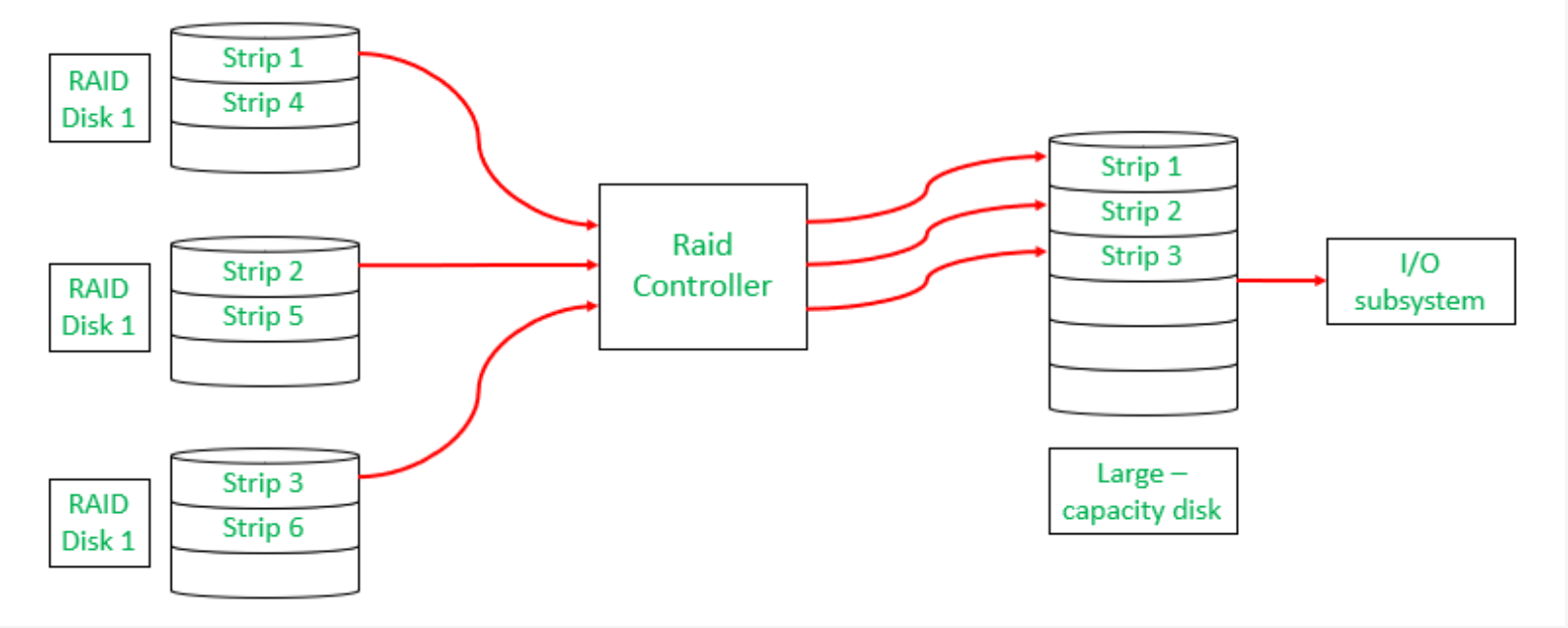
ทุกครั้งที่ฉันตั้งค่าระบบควบคุมใหม่หรือเซิร์ฟเวอร์อุตสาหกรรม ฉันจะตระหนักถึงความสำคัญที่แท้จริงของ RAID RAID หรือ Redundant Array of Independent Disks เปลี่ยนไดรฟ์เก็บข้อมูลธรรมดาให้กลายเป็นเครื่องยนต์ข้อมูลที่ทรงพลัง มันไม่ได้แค่รวมดิสก์เข้าด้วยกัน แต่สร้างความทนทาน ความเร็ว และความชาญฉลาดเข้าไปในหัวใจของระบบปฏิบัติการ วิศวกรอย่างฉันพึ่งพามันทุกวัน แต่หลายคนไม่สังเกตเห็นงานที่มองไม่เห็นของมันเบื้องหลังระบบที่เสถียรทุกระบบ
วิธีที่การจำลองเสมือนเปลี่ยนแปลงการจัดการดิสก์
ซอฟต์แวร์ RAID นำดิสก์ทางกายภาพหลายตัวมารวมกันเป็นโวลุ่มเสมือนที่ระบบปฏิบัติการจัดการได้ง่าย เมื่อถูกติดตั้งบนเซิร์ฟเวอร์ที่ใช้ Windows ไดรฟ์หลายตัวจะถูกรวมเป็นหน่วยตรรกะเดียว ระบบปฏิบัติการจะเห็นเพียงดิสก์เดียว แต่เบื้องหลัง RAID จะกระจายข้อมูลอย่างมีประสิทธิภาพไปยังหลายไดรฟ์ ช่วยให้ง่ายต่อการบริหารจัดการและรักษาประสิทธิภาพสูงพร้อมความซ้ำซ้อน
ตัวอย่างจริงจากเวิร์กช็อปของฉัน
เมื่อเร็ว ๆ นี้ ฉันตั้งค่าระบบโดยใช้ไดรฟ์ทั้ง IDE และ SCSI หากไม่มี RAID ไดรฟ์หกตัวจะแสดงแยกกัน หลังจากเปิดใช้งาน RAID 0 บนไดรฟ์ IDE พวกมันรวมกันเป็นดิสก์เสมือนความเร็วสูงขนาด 160GB จากนั้น RAID 5 บนไดรฟ์ SCSI สี่ตัวสร้างโวลุ่มที่ป้องกันข้อมูลขนาด 219GB อัตราการส่งข้อมูลเพิ่มเป็นสองเท่าในขณะที่ความซ้ำซ้อนเพิ่มขึ้น—ระบบปฏิบัติการจดจำไดรฟ์ตรรกะสองตัว แต่เบื้องหลังซับซ้อนกว่านั้นมาก
ทำไม RAID ถึงเปลี่ยนแปลงประสิทธิภาพระบบ
RAID จัดการการดำเนินการ I/O อย่างชาญฉลาด มันดักจับการเขียนข้อมูล คำนวณตำแหน่งบล็อก และส่งส่วนข้อมูลไปยังดิสก์ที่เหมาะสมแบบเรียลไทม์ ด้วยซีพียูสมัยใหม่ที่ประมวลผลพันธุ์การดำเนินการได้เร็วกว่าความเร็วดิสก์ RAID จึงลดความหน่วงและเพิ่มอัตราการส่งข้อมูลสูงสุด—ซึ่งสำคัญมากในระบบอัตโนมัติที่เวลามิลลิวินาทีมีความหมาย
การหาจุดสมดุลระหว่างความเร็วและความปลอดภัย
แต่ละระดับ RAID มีข้อแลกเปลี่ยน RAID 0 ให้ความเร็วโดยไม่มีการป้องกัน ในขณะที่ RAID 5 ให้ทั้งสองอย่างแต่ความจุลดลง วิศวกรสามารถผสมผสานระดับ RAID บนการ์ดคอนโทรลเลอร์เช่น 9560-8I หรือ 9670W-16I เพื่อสมดุลระหว่างประสิทธิภาพและความซ้ำซ้อน คอนโทรลเลอร์เหล่านี้รองรับ SATA, SAS และ NVMe สร้างสภาพแวดล้อมเก็บข้อมูลแบบไฮบริดที่เหมาะกับโรงงานสมัยใหม่
ข้อมูลเชิงปฏิบัติจากการใช้งานในอุตสาหกรรม
ระบบอุตสาหกรรมต้องการความน่าเชื่อถือ RAID ปกป้องจากความล้มเหลวของดิสก์และช่วยให้การสร้างใหม่อัตโนมัติในขณะที่ยังคงเข้าถึงข้อมูลได้—รับประกันการทำงานตลอด 24 ชั่วโมงสำหรับการควบคุมกระบวนการและฐานข้อมูลประวัติ ในการผลิตหรือการตรวจสอบกังหัน ความทนทานนี้ช่วยป้องกันเวลาหยุดทำงานที่มีค่าใช้จ่ายสูง
ด้านมนุษย์ของ RAID
RAID ไม่ได้เกี่ยวกับดิสก์เพียงอย่างเดียว—มันสะท้อนถึงการทำงานเป็นทีม ไดรฟ์หลายตัวทำงานร่วมกันเพื่อจุดประสงค์เดียวกัน: สมดุลระหว่างความเร็ว การป้องกัน และความเรียบง่าย หลักการนี้เป็นหัวใจของแนวปฏิบัติวิศวกรรมที่ดี
มองไปข้างหน้า
เมื่อเทคโนโลยีพัฒนาไปสู่ NVMe และ PCIe RAID ยังคงมีบทบาทสำคัญ รุ่นถัดไปของ RAID แบบไฮบริดหรือช่วยด้วยฮาร์ดแวร์จะผสานลึกเข้าไปในระบบปฏิบัติการ ในระบบอัตโนมัติที่ความสมบูรณ์ของข้อมูลขับเคลื่อนความปลอดภัยและประสิทธิภาพ RAID ยังคงเป็นผู้พิทักษ์เงียบของการดำเนินงาน
ความคิดสุดท้าย
RAID ไม่ใช่แค่แนวคิดทางเทคนิค — มันคือหลักการระบบที่มีชีวิต มันรวมไดรฟ์แต่ละตัวให้เป็นโครงสร้างที่ทนทานและชาญฉลาด การเข้าใจ RAID หมายถึงการปกป้องรากฐานของระบบอุตสาหกรรมสมัยใหม่ทุกระบบ
กำลังมองหาเซิร์ฟเวอร์ระดับอุตสาหกรรม คอนโทรลเลอร์ หรือส่วนประกอบเก็บข้อมูลอยู่หรือไม่?
เยี่ยมชม PLCDCSPRO.com สำหรับชิ้นส่วนอัตโนมัติที่เชื่อถือได้และการสนับสนุนจากผู้เชี่ยวชาญ


