

วิวัฒนาการของระบบอัตโนมัติ: การใช้ AI เพื่อกระบวนการธุรกิจที่ชาญฉลาดยิ่งขึ้น
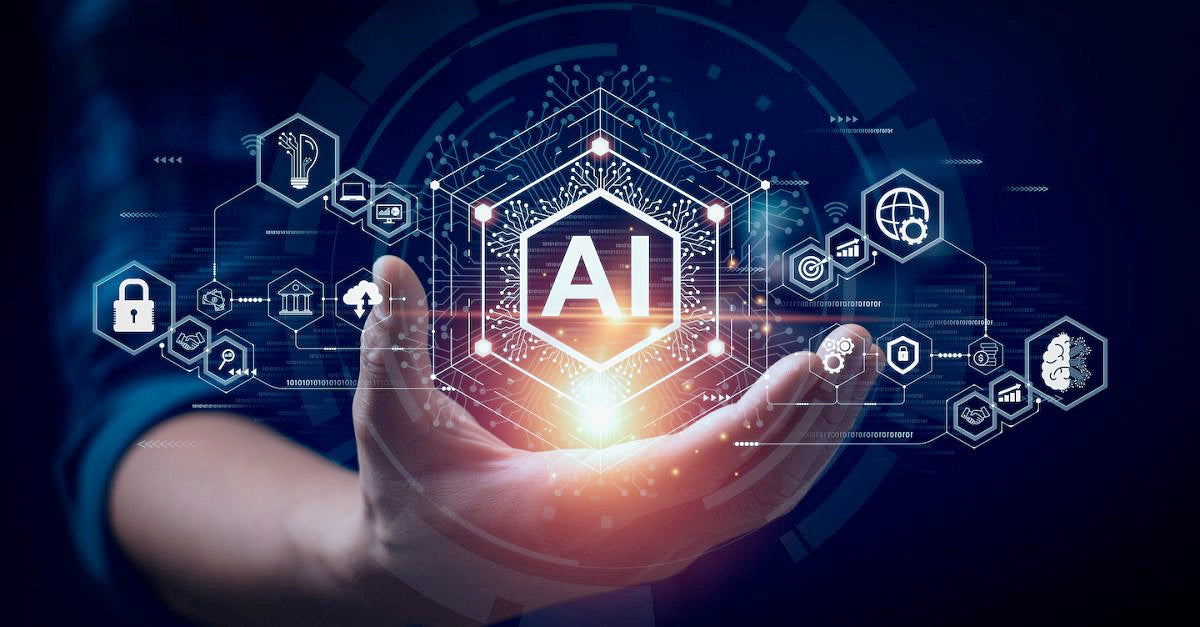
การเติบโตของระบบอัตโนมัติอัจฉริยะ
ระบบอัตโนมัติเป็นหัวใจสำคัญของประสิทธิภาพทางธุรกิจมาเป็นเวลานาน ทำให้กระบวนการทำงานราบรื่นและประหยัดค่าใช้จ่าย ระบบอัตโนมัติแบบดั้งเดิมที่มีกฎเกณฑ์ตายตัวมักเผชิญกับความต้านทาน จึงจำกัดศักยภาพของมัน ตอนนี้ปัญญาประดิษฐ์ (AI) เข้ามาเป็นตัวเปลี่ยนเกมในเรื่องนี้ เพราะมันทำให้เส้นแบ่งระหว่างระบบอัตโนมัติธรรมดาและระบบอัจฉริยะที่ปรับตัวได้เลือนลางลง
เชื่อมช่องว่าง: จากกฎเกณฑ์ที่เข้มงวดสู่ความสามารถอัจฉริยะ
แทนที่จะมาแทนที่ระบบอัตโนมัติแบบดั้งเดิม AI กลับช่วยเสริมประสิทธิภาพของมัน การผสานรวมความสามารถของ AI เข้ากับกรอบการทำงานอัตโนมัติอย่างไร้รอยต่อช่วยให้ธุรกิจบรรลุประสิทธิภาพ ความยืดหยุ่น และนวัตกรรมในระดับใหม่ การผสมผสานนี้สร้างความลงตัวระหว่างความเชี่ยวชาญของมนุษย์และความฉลาดของเครื่องจักร เกิดเป็นพลังร่วมที่น่าทึ่ง
นิยามใหม่ของระบบอัตโนมัติ: ก้าวข้ามหน้าที่ซ้ำซาก
ระบบอัตโนมัติแบบดั้งเดิมทำงานได้ดีในงานที่ซ้ำซากมาก เช่น การทำงานบนสายการผลิตและการป้อนข้อมูล อย่างไรก็ตาม เมื่อเจอสภาพแวดล้อมที่ซับซ้อนและเปลี่ยนแปลงได้ จุดอ่อนของมันก็ปรากฏขึ้น ในทางกลับกัน AI โดดเด่นในงานที่ต้องใช้ทักษะทางปัญญา เช่น:
- การวิเคราะห์ข้อมูลและข้อมูลเชิงลึก: อัลกอริทึม AI สามารถกรองข้อมูลจำนวนมหาศาลเพื่อค้นหารูปแบบ ทำนายแนวโน้ม และเปิดเผยข้อมูลเชิงลึกที่มนุษย์ไม่สามารถตรวจจับได้
- การตัดสินใจ: ด้วยการใช้ข้อมูลแบบเรียลไทม์ ระบบที่ขับเคลื่อนด้วย AI จะวิเคราะห์และตัดสินใจอย่างมีข้อมูลเพื่อเพิ่มประสิทธิภาพกระบวนการและผลลัพธ์ที่ดีขึ้น
- ประสบการณ์เฉพาะบุคคล: AI มีความสามารถในการมอบประสบการณ์ที่ปรับให้เหมาะกับความต้องการและความชอบของแต่ละบุคคล
ทำให้ระบบอัตโนมัติเป็นมิตรกับมนุษย์: สร้างความไว้วางใจและความร่วมมือ
หนึ่งในประโยชน์ที่น่าประหลาดใจของระบบอัตโนมัติที่ขับเคลื่อนด้วย AI คือความสามารถในการทำให้ประสบการณ์ดูเป็นมนุษย์มากขึ้น ด้วยการประมวลผลภาษาธรรมชาติ (NLP) ระบบ AI สามารถสื่อสารและโต้ตอบกับมนุษย์ได้อย่างเป็นธรรมชาติและเข้าใจง่าย ซึ่งช่วยสร้างความไว้วางใจและความร่วมมือ เปิดโอกาสให้พนักงานและลูกค้าเข้าถึงระบบอัตโนมัติได้อย่างเป็นมิตรและยอมรับได้ง่ายขึ้น
เอาชนะอุปสรรค: การยอมรับการปฏิวัติ AI
ศักยภาพของระบบอัตโนมัติที่ขับเคลื่อนด้วย AI มีขนาดใหญ่ แต่ก็มีความท้าทายที่ต้องเผชิญตามมาเช่นกัน
- การเปลี่ยนแปลงทางวัฒนธรรม: เทคโนโลยีใหม่ทุกชนิดต้องการการยอมรับอย่างกระตือรือร้นต่อการเปลี่ยนแปลงทางวัฒนธรรมที่เกิดขึ้นในองค์กร และช่วยให้พนักงานพัฒนาทักษะใหม่ๆ
- ข้อพิจารณาทางจริยธรรม: การรับประกันเชิงรุกในการพัฒนาและใช้งาน AI อย่างมีจริยธรรมต้องเน้นเรื่องความเป็นธรรม ความโปร่งใส และความรับผิดชอบที่เกิดขึ้นจากการใช้ AI
- คุณภาพและความปลอดภัยของข้อมูล: ข้อมูลคุณภาพดีเป็นหัวใจของโมเดล AI ที่ดีและน่าเชื่อถือ ดังนั้นความปลอดภัยและความเป็นส่วนตัวของข้อมูลจึงต้องได้รับการรับรองอย่างเต็มที่
อนาคตของระบบอัตโนมัติ: ความร่วมมือระหว่างมนุษย์และเครื่องจักร
อนาคตของระบบอัตโนมัติคือความร่วมมือระหว่างมนุษย์และเครื่องจักร ซึ่งธุรกิจจะได้รับประโยชน์จากข้อดีของทั้งสองฝ่าย เพื่อบรรลุระดับของประสิทธิภาพ นวัตกรรม และความพึงพอใจของลูกค้าที่เคยดูเหมือนเป็นไปไม่ได้ในอดีต


