

How Industrial Automation Drives Safer and Greener Manufacturing Excellence
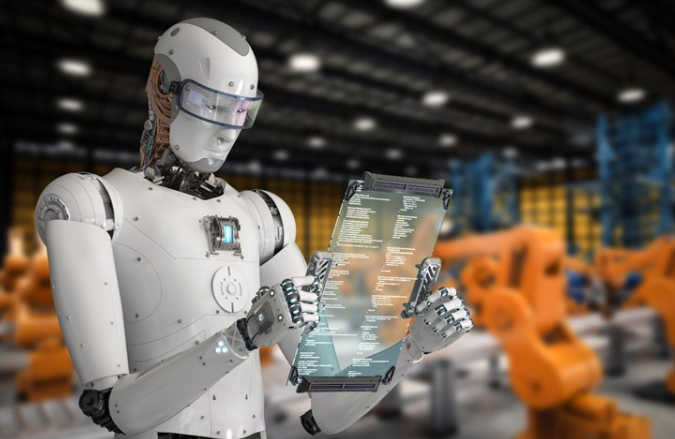
In the modern industrial landscape, the boundary between operational safety and environmental sustainability is dissolving. Forward-thinking companies no longer view safety protocols merely as regulatory burdens. Instead, they leverage advanced industrial automation to protect both their workforce and the planet. By integrating smart technologies, manufacturers reduce operational risks while significantly enhancing resource efficiency.
Smart Sensors and Predictive Maintenance for Risk Mitigation
Smart sensors represent a cornerstone of modern control systems. These devices monitor critical variables like vibration, thermal levels, and acoustic emissions in real-time. By identifying subtle deviations, maintenance teams can intervene before a catastrophic failure occurs. Consequently, this proactive approach prevents hazardous chemical leaks and unnecessary energy spikes caused by malfunctioning equipment.
Automation Systems Reducing Human Exposure and Material Waste
Robotic integration and high-precision factory automation have revolutionized high-risk tasks. Machines now handle heavy lifting, precision cutting, and volatile chemical processing with unmatched consistency. This shift drastically lowers the frequency of workplace injuries. Moreover, automated systems optimize the use of raw materials and lubricants by executing commands with mathematical precision. Therefore, facilities minimize scrap rates and reduce their overall environmental footprint.
Digital Twins and Immersive Training for Enhanced Safety
Digitalization has transformed how personnel prepare for complex industrial environments. Using industrial simulation and digital twins, workers practice emergency responses in a risk-free virtual space. This method improves skill retention compared to traditional classroom settings. Additionally, virtual training eliminates the need for physical materials and travel, contributing to a lower corporate carbon footprint.
Intelligent Wearables and Real-Time Personnel Protection
Smart wearables, such as connected helmets and biometric wristbands, provide a vital layer of protection on the factory floor. These devices track fatigue levels and detect exposure to harmful gases or excessive heat. By alerting workers to immediate dangers, companies prevent accidents that often lead to costly downtime. Furthermore, a safer workplace requires fewer emergency repairs, which naturally conserves spare parts and resources.
Integrating Energy Management with Industrial Control Systems
Modern facilities now sync their safety systems with energy management platforms. For example, ventilation and lighting systems adjust automatically based on real-time occupancy data from the DCS (Distributed Control System). This ensures that maintenance zones remain well-lit and ventilated only when necessary. As a result, plants maintain peak safety standards without wasting electricity during off-peak hours.
Data Analytics as a Catalyst for Continuous Improvement
Big data serves as the connective tissue for all safety and green initiatives. By analyzing historical data from PLC units and safety logs, managers identify patterns in "near-miss" incidents. These insights allow for the optimization of workflows to eliminate waste and extend the lifecycle of expensive machinery. Long-term equipment durability is a key pillar of any credible sustainability strategy.
Author Commentary: The Convergence of Safety and ESG
From my perspective, the integration of safety and "green" tech is the most significant trend in Industry 4.0. We are moving away from reactive safety toward a holistic "Safe-Green" ecosystem. I believe that industrial automation providers who prioritize these dual-benefit solutions will dominate the market. Safety is no longer just an insurance requirement; it is a competitive advantage in an ESG-focused global economy.


