

เทคโนโลยีเครื่องตรวจจับก๊าซอธิบาย: การเลือกเซ็นเซอร์ที่เหมาะสมเพื่อความปลอดภัยและความแม่นยำ
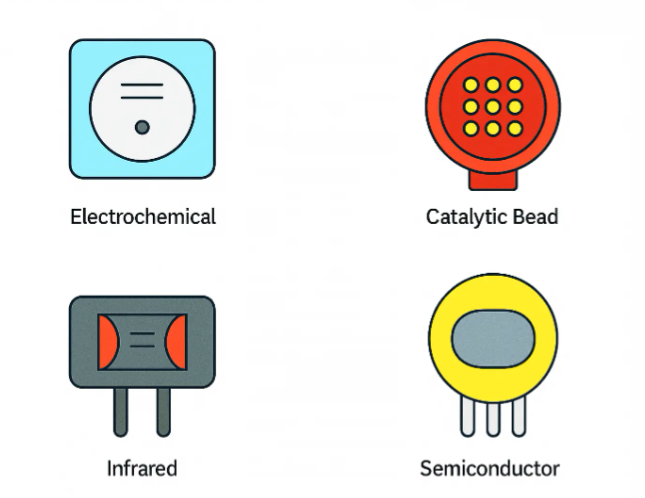
🔍 ทำความเข้าใจเทคโนโลยีเซ็นเซอร์ในเครื่องตรวจจับก๊าซ
โดยวิศวกรระบบอัตโนมัติอุตสาหกรรม – plcdcspro.com
💡 ทำไมเทคโนโลยีตรวจจับก๊าซจึงสำคัญ
การรั่วไหลของก๊าซเป็น อันตรายที่แท้จริง ทั้งในสภาพแวดล้อมอุตสาหกรรมและในบ้านเรือน
การเลือก เทคโนโลยีเซ็นเซอร์ที่เหมาะสม ช่วยรับประกันความปลอดภัย ความแม่นยำ และการประหยัดต้นทุนในระยะยาว เซ็นเซอร์แต่ละประเภทถูกออกแบบมาสำหรับก๊าซชนิดเฉพาะ การใช้เซ็นเซอร์ผิดประเภทไม่เพียงแต่เสียเงินเท่านั้น—แต่ยังเสี่ยงต่อชีวิต
ที่ plcdcspro.com, เราเชี่ยวชาญใน โซลูชันอัตโนมัติ:
-
โมดูล PLC
-
การ์ดอุตสาหกรรม
-
สายเคเบิล & ตัวเชื่อมต่อ
-
โพรบ & เซ็นเซอร์
-
สต็อกมาก ส่งเร็ว
เราช่วยคุณเลือกชิ้นส่วนที่ถูกต้องตั้งแต่ครั้งแรก
🔥 เซ็นเซอร์เม็ดตัวเร่งปฏิกิริยา — เชื่อถือได้สำหรับก๊าซไวไฟ
วิธีดั้งเดิมนี้เหมาะสำหรับ ก๊าซไวไฟ เช่นมีเทนและโพรเพน
วิธีการทำงาน:
-
มีเม็ดสองเม็ด: หนึ่งเม็ดใช้งาน (เคลือบ) และหนึ่งเม็ดไม่ใช้งาน
-
ก๊าซทำปฏิกิริยากับเม็ดที่ใช้งาน → เกิดความร้อน
-
ความแตกต่างของอุณหภูมิสร้าง สัญญาณแรงดันไฟฟ้า
-
ก๊าซมากขึ้น = ความร้อนมากขึ้น = สัญญาณสูงขึ้น
✅ เหมาะที่สุดในสภาพแวดล้อมที่มี ออกซิเจนเพียงพอ
❌ ไม่เหมาะในพื้นที่ที่ขาดออกซิเจน
🌈 เซ็นเซอร์อินฟราเรด (IR) — ไม่ต้องเผาไหม้
เซ็นเซอร์อินฟราเรดใช้ การดูดซับแสง ไม่ใช่ปฏิกิริยาเคมี
วิธีการทำงาน:
-
แหล่งกำเนิด IR ส่งแสงผ่านเส้นทางก๊าซ
-
ก๊าซดูดซับแสง → ตัวตรวจจับได้รับแสงน้อยลง
-
แสงน้อย = ก๊าซมากขึ้น
วิธีนี้เหมาะสำหรับ:
-
ไฮโดรคาร์บอน
-
สภาพแวดล้อมที่รุนแรง
-
สถานที่ที่ขาดออกซิเจน
✅ บำรุงรักษาต่ำ
✅ ใช้งานได้ในพื้นที่สกปรกหรือชื้น
☢️ เครื่องตรวจจับการไอออนไฟโต (PID) — ตรวจจับ VOCs
เทคโนโลยี PID ตรวจจับ ก๊าซพิษ และ สารประกอบอินทรีย์ระเหยง่าย (VOCs) เช่น เบนซีนและไซลีน
วิธีการทำงาน:
-
แสง UV ทำให้อณูแก๊สเป็นไอออน
-
ไอออนสร้างกระแสไฟฟ้า
-
กระแสไฟฟ้ามาก = ก๊าซมาก
✅ มีความ ไวสูง
✅ ตอบสนองรวดเร็ว
✅ เหมาะสำหรับห้องปฏิบัติการ โรงกลั่น และโรงงานเคมี
⚗️ เซ็นเซอร์อิเล็กโทรเคมี — เหมาะสำหรับก๊าซพิษ
ออกแบบมาเพื่อตรวจจับก๊าซเช่น CO, SO₂, และ NH₃
วิธีการทำงาน:
-
ก๊าซทำปฏิกิริยากับอิเล็กโทรดทำงาน → ปล่อยอิเล็กตรอน
-
อิเล็กโทรดตัวต้านสมดุลการไหล
-
กระแสไฟฟ้าบ่งชี้ระดับก๊าซ
✅ ดีไซน์กะทัดรัด
✅ ใช้พลังงานต่ำ
✅ เหมาะสำหรับ พื้นที่จำกัด หรืออุปกรณ์พกพา
🧪 เซ็นเซอร์เซมิคอนดักเตอร์ — ง่ายและคุ้มค่า
ใช้ วัสดุชิป (เช่น ดีออกไซด์ของดีบุก) ในการตรวจจับการมีอยู่ของก๊าซ
วิธีการทำงาน:
-
ในอากาศบริสุทธิ์ ออกซิเจนจะบล็อกกระแสไฟฟ้า
-
ก๊าซทำปฏิกิริยากับไอออนออกซิเจน → กระแสไฟไหล
-
ก๊าซมาก = กระแสไฟมาก
✅ ราคาประหยัดและหาซื้อได้ทั่วไป
❌ ได้รับผลกระทบจากอุณหภูมิและความชื้น
เหมาะที่สุดสำหรับ การตรวจจับภายในอาคารพื้นฐาน หรือ สภาพแวดล้อมที่มีความเสี่ยงต่ำ
🔊 เครื่องตรวจจับอัลตราโซนิก — การตรวจจับการรั่วด้วยเทคโนโลยีขั้นสูง
เหมาะสำหรับ การตรวจจับการรั่วในพื้นที่เปิด
วิธีการทำงาน:
-
ก๊าซรั่วสร้าง เสียงอัลตราโซนิก (สูงเกินกว่ามนุษย์จะได้ยิน)
-
เครื่องตรวจจับรับเสียงได้
-
ก๊าซรั่วมาก = เสียงความถี่สูงมากขึ้น
✅ ทำงานได้แม้ก๊าซยังไม่เข้มข้น
✅ เหมาะสำหรับ แท่นขุดเจาะนอกชายฝั่ง, พื้นที่เก็บรักษา, และ ท่อส่ง
✅ สรุป: เลือกตามการใช้งาน
| ประเภทเซ็นเซอร์ | เหมาะสำหรับ | หมายเหตุ |
|---|---|---|
| เม็ดตัวเร่งปฏิกิริยา | ก๊าซไวไฟ | ต้องการออกซิเจน |
| อินฟราเรด (IR) | ไฮโดรคาร์บอน, โซนออกซิเจนต่ำ | ออปติคัล, ดูแลรักษาต่ำ |
| การไอออไนเซชันด้วยแสง (PID) | VOCs, ก๊าซพิษ | ความไวสูง |
| อิเล็กโทรเคมี | CO, SO₂, NH₃ | กะทัดรัด, แม่นยำ |
| เซมิคอนดักเตอร์ | ในร่ม, สภาพแวดล้อมความเสี่ยงต่ำ | คุ้มค่า |
| อัลตราโซนิก | การตรวจจับการรั่วไหลในพื้นที่เปิด | ไม่ต้องสัมผัสกับก๊าซ |
🛠️ เราช่วยคุณเลือกเซ็นเซอร์ที่เหมาะสม
ที่ plcdcspro.com, เราไม่ได้ขายแค่ชิ้นส่วน—เรายังให้คำแนะนำจากผู้เชี่ยวชาญ
📦 สินค้าคงคลังขนาดใหญ่
⚡ การจัดส่งทั่วโลกอย่างรวดเร็ว
🤝 การสนับสนุนทางเทคนิคแบบตัวต่อตัว
ต้องการความช่วยเหลือในการเลือกเครื่องตรวจจับหรือเซ็นเซอร์ที่เหมาะสมหรือไม่?
ติดต่อเราวันนี้ หรือเรียกดูสินค้าคงคลังของเราที่ plcdcspro.com


