

Bridging the Skills Gap: Schneider Electric Wuhan Named Global Lighthouse for Talent
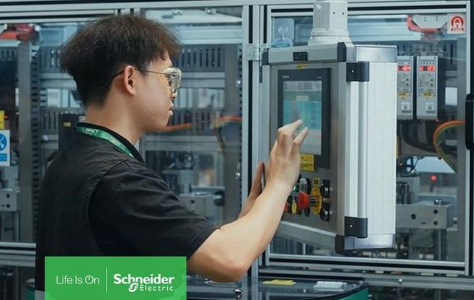
The World Economic Forum recently recognized Schneider Electric’s Wuhan facility as a "Global Lighthouse for Talent." This prestigious title highlights the factory as one of only three sites worldwide to master workforce transformation. While many facilities focus solely on hardware, Wuhan demonstrates how human-centric strategies drive industrial success.
Redefining Excellence in Modern Factory Automation
The Global Lighthouse Network, a collaboration between the WEF and McKinsey & Company, identifies manufacturing leaders. These sites excel in productivity, sustainability, and supply chain resilience. However, the new "Talent" designation shifts the focus toward the workforce. It honors factories that successfully integrate advanced solutions with human development and safety.
Overcoming the Challenges of Rapid Industrial Digitalization
The Wuhan factory serves as a vital hub for Schneider Electric’s operations in China. Nevertheless, the site faced immense pressure from a 239% expansion in its product portfolio. Rapid automation initially left a significant skill gap among the staff. Only 20% of workers possessed the necessary expertise to manage complex automation systems. Consequently, technician turnover reached a staggering 48%.
Leveraging AI for Advanced Competency Management
To bridge this gap, Schneider Electric deployed agentic AI to track and analyze employee skill sets. This technology identifies specific weaknesses and assigns personalized training modules. As a result, workforce readiness surged from 20% to 76%. Moreover, the company introduced "pay-for-skills" career paths to incentivize continuous learning among operators and engineers.
Boosting Efficiency with GenAI and Smart Maintenance
The facility integrated Generative AI to assist maintenance teams with real-time troubleshooting. This smart guidance helps technicians repair complex machinery faster and more accurately. In addition, automated systems now handle repetitive administrative tasks. This shift reduced the new product introduction cycle by 66.7%, cutting lead times from 36 months to just 12.
Author Commentary: Why the Human Element Still Matters
In my professional view, the Wuhan model proves that technology should empower, not replace, the workforce. Many organizations fail because they overlook the "soft" side of digital transformation. Successful factory automation requires a balance between high-tech infrastructure and a culture of learning. Schneider Electric has set a benchmark for the B2B sector by treating talent as a core asset.
Achieving Agility Through Strategic Partnerships
Schneider Electric did not achieve these results in isolation. The company partnered with 11 vocational schools to build a sustainable pipeline of digital apprentices. These partnerships provide students with access to AI labs and specialized scholarships. Therefore, the factory secures a steady flow of talent familiar with modern PLC and DCS environments.


