
Honeywell TP-ZSBHM2-100

Honeywell TP-ZSBHM2-100
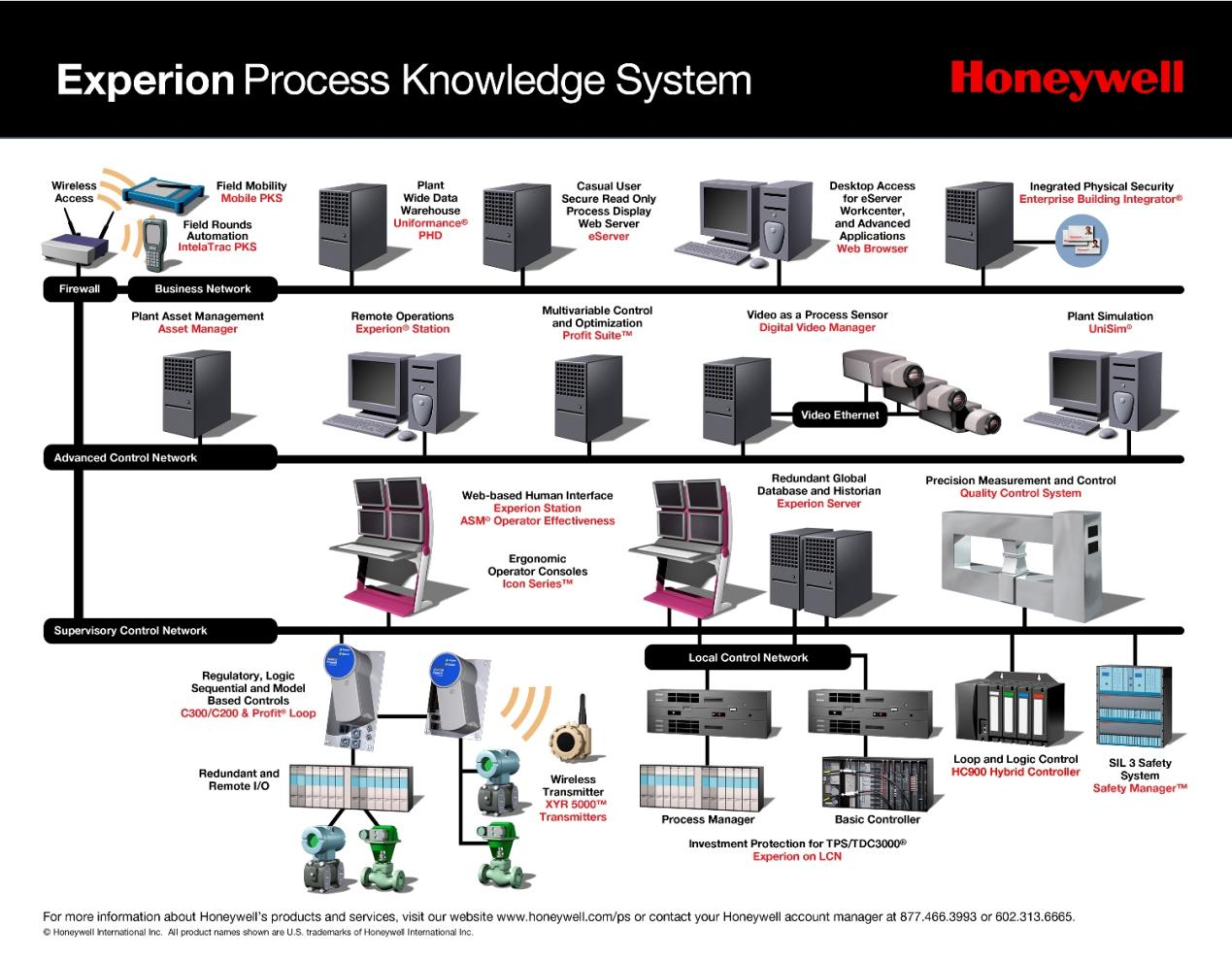
O Honeywell TP-ZSBHM2-100 é um modelo específico de produto fabricado pela Honeywell, uma empresa renomada na indústria de automação industrial e sistemas de controle. Com base nas informações atualmente disponíveis, este produto provavelmente serve como um módulo de placa de comunicação ou um componente relacionado a Controladores Lógicos Programáveis (CLPs) dentro de sistemas de automação e controle industrial. Aqui está uma descrição detalhada do Honeywell TP-ZSBHM2-100 em português:

Informações Básicas

  • Marca: Honeywell
  • Modelo: TP-ZSBHM2-100
  • Origem: Estados Unidos (embora algumas informações possam indicar a localização de empresas de vendas ou distribuição, o fabricante original está sediado nos EUA).

Características e Aplicações do Produto

  • Tipo: Pode ser um módulo de placa de comunicação ou um componente de um CLP, usado em sistemas de automação e controle industrial.
  • Áreas de Aplicação: Pode ser amplamente utilizado em várias indústrias, como a indústria vidreira, máquinas para construção, máquinas têxteis, tratamento de água e outras, onde a automação e o controle preciso são cruciais.


Outros Produtos

51403988-150
51309276-150
TP-ZSBHM2-100
51196655-100
FC-SDO-0824
FC-SDI-1624
LG1093AC01
80363969-150
FC-SDO-0824
CC-PAIH02
CC-PDIL01
CC-PDOB01
FC-SDI-1624
51309512-275
CS513 3BSE000435R1
TK811V150 3BSC950107R3
TB820V2 3BSE013208R1
AI810 3BSE008516R1
51305072-400
FC-SAI-1620M
51198947-100
FC-DO-1624
FC-PSU-240516
51199562-101
MC-PAIH03 51304754-150
FC-SDIL-1608
FC-SDOL-0424
FC-TDO-1624
FC-TERM-0002
FC-TSDI-1624

Mostre tudo
Postagens no blog
Mostre tudo
AI-Driven Motion Control: Transforming Precision and Agility in Modern Factories

AI-Driven Motion Control: Transforming Precision and Agility in Modern Factories

High-mix manufacturing and rapid product changeovers define the modern production landscape. To keep pace, industrial automation must move beyond rigid, legacy frameworks. While traditional motion systems excel in static environments, they often struggle with real-world variables like mechanical wear or temperature fluctuations. By integrating Artificial Intelligence (AI) with kinematics, manufacturers can create adaptive systems that learn and optimize in real-time. This evolution ensures that factory automation remains resilient, precise, and highly efficient.

Honeywell Boosts EV Battery Production with AI-Driven Automation at the AMP Center

Honeywell Boosts EV Battery Production with AI-Driven Automation at the AMP Center

The global shift toward electrification demands more than just raw materials; it requires smarter factory automation. Honeywell recently integrated its AI-powered Battery Manufacturing Excellence Platform (Battery MXP) into the Alabama Mobility and Power (AMP) Center. This collaboration at the University of Alabama marks a significant milestone for industrial automation in the energy sector. By optimizing cell yields and accelerating facility startups, Honeywell aims to solve the scalability issues currently facing battery manufacturers.

Modernizing Industrial Control: How ABB Automation Extended Redefines DCS Flexibility

Modernizing Industrial Control: How ABB Automation Extended Redefines DCS Flexibility

The process industries face a relentless drive toward digital transformation. Operators must balance the rigid stability of a Distributed Control System (DCS) with the agility of modern cloud-native technologies. ABB’s "Automation Extended" strategy addresses this tension directly. It moves away from monolithic, proprietary hardware toward an open, software-defined future. This approach aligns with major industry movements like Open Process Automation (OPA) and NAMUR, ensuring that factory automation remains competitive in a volatile global market.